

Quick answer
A practical immune wellness routine combines consistent sleep, whole-food nutrition, daily movement, stress management, and targeted nutrients. For adults, this means 7–9 hours of quality sleep, a colorful plant-rich diet, 30 minutes of moderate activity, brief mindfulness practice, and evidence-backed supplements like vitamin C and zinc when dietary intake is insufficient. This layered approach supports innate and adaptive immune function better than any single intervention.
Key takeaways
- Sleep is your immune system’s reset button: aim for 7–9 hours in a cool, dark room to support cytokine production.
- Nutrient density beats megadosing: prioritize colorful produce, fermented foods, and adequate protein over high-dose single supplements.
- Chronic stress suppresses immune cell activity; even five minutes of diaphragmatic breathing can lower cortisol spikes.
- Movement mobilizes immune cells, but overtraining without recovery increases infection risk.
- Strategic supplementation fills gaps—look for bio-aligned formulas with vitamin C, zinc, and herbal adaptogens when whole-food intake falls short.
Why Immune Wellness Requires Daily Attention
Your immune system is not a light switch you flip at the first sign of a sniffle. It is a dynamic, distributed network of white blood cells, antibodies, lymphatic tissue, and signaling proteins that operates continuously. Innate immunity provides immediate, generalized defenses, while adaptive immunity builds targeted memory over time. Both branches require raw materials and recovery to function optimally.
Research published in peer-reviewed immunology journals consistently demonstrates that lifestyle factors modulate immune outcomes. Sleep restriction, micronutrient gaps, sedentary behavior, and chronic psychological stress each independently alter immune cell counts, cytokine balance, and inflammatory markers. By the time you feel symptomatic, viral replication or bacterial load has already progressed. A daily wellness protocol builds baseline resilience so your surveillance systems are alert before threats arrive.
The Five Pillars of Immune Resilience
Think of immune health as a table with five legs. Remove one leg, and the structure wobbles. Here is how each pillar functions and what daily implementation actually looks like in real life.
Sleep and Circadian Repair
During slow-wave sleep, the body upregulates interleukin and cytokine production—chemical messengers that coordinate immune attacks and anti-inflammatory resolution. Adults who regularly sleep fewer than six hours show reduced natural killer cell activity and altered vaccine antibody responses. Protect your sleep by fixing a consistent bedtime and wake time (including weekends), keeping the bedroom between 60–67°F, and eliminating blue light exposure at least 60 minutes before bed. If racing thoughts keep you awake, try a “brain dump” journal session after dinner rather than right before lights out.
Nutrition That Actually Feeds Defenses
Immune cells turn over rapidly, which creates high metabolic demand. A nutrient-dense diet provides the cofactors required for proliferation and communication. Prioritize these categories:
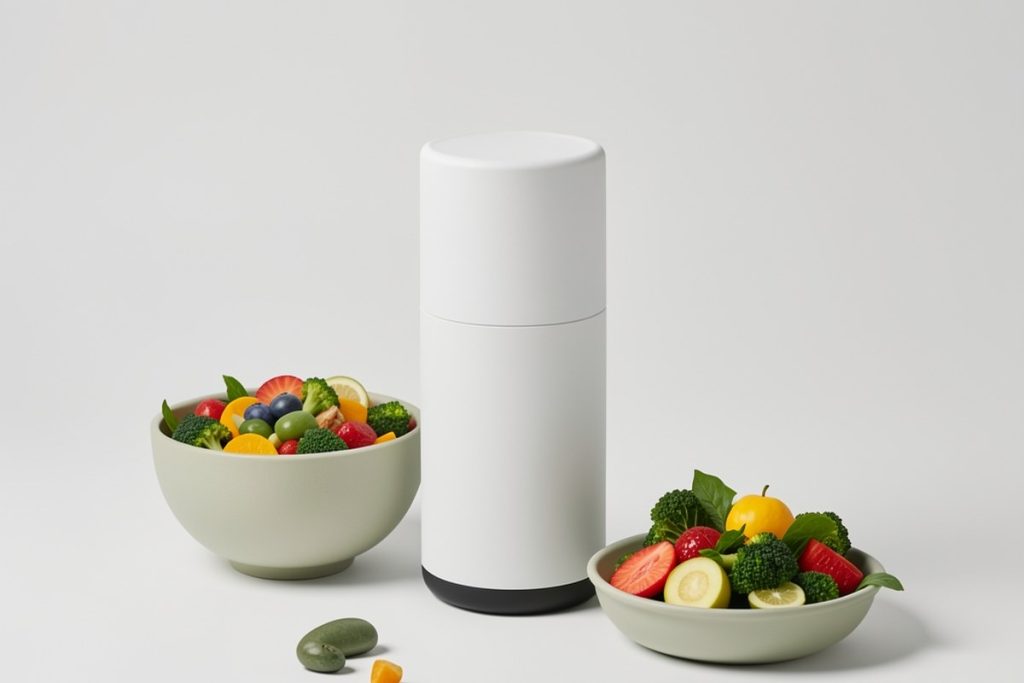
- Vitamin C-rich produce: Red bell peppers, kiwi, strawberries, broccoli, and citrus maintain epithelial barriers and support neutrophil function. Vitamin C is water-soluble and not stored long-term, so daily intake matters more than megadosing.
- Zinc sources: Pumpkin seeds, lentils, oysters, and grass-fed beef are critical for T-cell development and wound healing. Even mild zinc deficiency can impair immune signaling.
- Fermented foods: Kimchi, sauerkraut, kefir, and plain yogurt deliver live cultures that train gut-associated lymphoid tissue, where roughly 70 percent of immune cells reside.
- Protein adequacy: Antibodies and cytokines are proteins. Most adults need roughly 0.7–1.0 gram per pound of goal body weight, distributed across meals to maximize muscle protein synthesis and immune substrate availability.
Movement as Immune Mobilization
Moderate exercise improves circulation of natural killer cells, macrophages, and T-cells. A 30-minute brisk walk, cycling, swimming, or resistance session most days of the week enhances immune surveillance without excessive physical stress. The danger zone is overtraining: marathon runners and elite endurance athletes often experience a transient post-exercise immunosuppression window. For general wellness, consistency trumps intensity. If you feel drained for hours after a workout, scale back volume and prioritize recovery.
Stress Modulation and the Cortisol Connection
Chronic psychological stress elevates glucocorticoids like cortisol, which downregulate lymphocyte proliferation and blunt inflammatory signaling when you actually need it. You do not need an hour-long meditation retreat to move the needle. Habitual micro-practices—five minutes of box breathing (four counts in, hold, out, hold), a device-free morning walk, or journaling three specific gratitude points—can measurably lower baseline cortisol and heart rate variability over weeks.
Strategic Supplementation for Gap Coverage
Even well-planned diets can fall short during high-demand periods: seasonal transitions, travel across time zones, intense work deadlines, or poor appetite during illness. This is where evidence-informed supplements serve as tools, not replacements. Source Naturals Wellness Formula offers a bio-aligned blend of vitamin C, zinc, and 30 additional vitamins, minerals, and herbs formulated for immune system support. You can view the product here. Use it to complement foundational habits like sleep and nutrition rather than relying on capsules alone.
Daily Immune Habits: A Morning-to-Evening Checklist
Structure your day so immune-supportive behaviors happen automatically. Anchor new habits to existing routines—morning coffee, lunch break, or bedtime—to reduce decision fatigue.
| Morning Habits | Evening Habits |
|---|---|
| Drink 16–20 oz of water before caffeine to support lymphatic flow | Begin a screen curfew 60 minutes before bed to protect melatonin |
| Include protein and one colorful fruit or vegetable with breakfast | Prepare tomorrow’s lunch to avoid processed convenience defaults |
| Take a 10-minute walk or stretch session to mobilize immune cells | Dim overhead lights and read fiction or journal to downshift the nervous system |
| Practice 5 minutes of diaphragmatic breathing before checking email | Write tomorrow’s top priority to reduce pre-sleep rumination |
| Expose eyes to natural daylight within 30 minutes of waking | Keep bedroom cool, dark, and free of work materials |
Common Mistakes That Undermine Immune Health
Many adults sabotage their immune efforts without realizing it. Avoid these self-defeating patterns:
- Relying on single “immune boosters”: No supplement, regardless of dosage, can override chronic sleep deprivation or a nutrient-poor diet. Immune health is a systems game.
- Inconsistent sleep schedules: “Social jetlag” from wildly different weekday and weekend bedtimes disrupts circadian immune rhythms and hormone release.
- Overtraining without adequate fuel: High-intensity exercise combined with caloric restriction or low carbohydrate availability suppresses immune function for hours post-workout.
- Ignoring the mental load: Unmanaged psychological stress creates low-grade systemic inflammation that quietly taxes immune reserves over months.
- Under-eating protein and healthy fats: Cutting calories too aggressively deprives the body of amino acids and fatty acids required for cell membrane integrity and antibody production.
Building Your Personalized Protocol
Attempting to overhaul every pillar simultaneously often leads to burnout within two weeks. Instead, start with the domain where you have the biggest gap. If you currently sleep five hours nightly, focus exclusively on bedtime hygiene for the next month. If your plate lacks color, add one new vegetable to your grocery cart this week and rotate a new one each trip.
Track subjective markers—energy stability, exercise recovery, and how quickly you bounce back from minor colds—as feedback. Adjust one variable at a time, and reassess every two weeks. Sustainable immune wellness is built through small, stacked habits rather than dramatic but short-lived interventions.
Sources
- How to Boost Your Immune System – Harvard Health Publishing
- Vitamin C Fact Sheet for Health Professionals – National Institutes of Health Office of Dietary Supplements
Last reviewed: 2026-08-10