Are AI Hand Warmers Really AI? A Buyer’s Guide
Quick answer“AI hand warmer” usually describes a compact rechargeable heater with electronic temperature control, not necessarily an artificial intelligence system. Before buying, check how heat is…

Technology without the fog
Clear, practical guidance on artificial intelligence, digital tools, and the technology changing how we work.
Latest in AI & Tech
Quick answer“AI hand warmer” usually describes a compact rechargeable heater with electronic temperature control, not necessarily an artificial intelligence system. Before buying, check how heat is…
Quick answerOn-device AI runs at least part of its processing directly on a phone, computer, camera, or other hardware instead of sending every input to a…
Last reviewed: 2026-08-07 Quick answer Retrieval-augmented generation (RAG) grounds large language models in your own verified documents before they write a response. Instead of relying solely…
Quick answerChoose a desktop companion robot by starting with the interaction you want—not the word “AI.” Look for clear age guidance, tactile controls, repeatable activities, manageable…
Quick answerAI meeting summaries can save time, but they also turn spoken conversations into searchable data. Use them safely by deciding what must never be recorded,…
Quick answerA useful home AI workspace needs more than an AI app. Start with one clearly defined task, establish rules for sensitive information, and create a…
Quick answerAI smart glasses are most useful as a hands-free visual capture tool, not an infallible memory system. Use them to record a short reference, such…
Quick answerChoose AI smart glasses for real-time translation by checking supported languages, phone or internet requirements, privacy controls, battery expectations, comfort, and return terms before buying.…
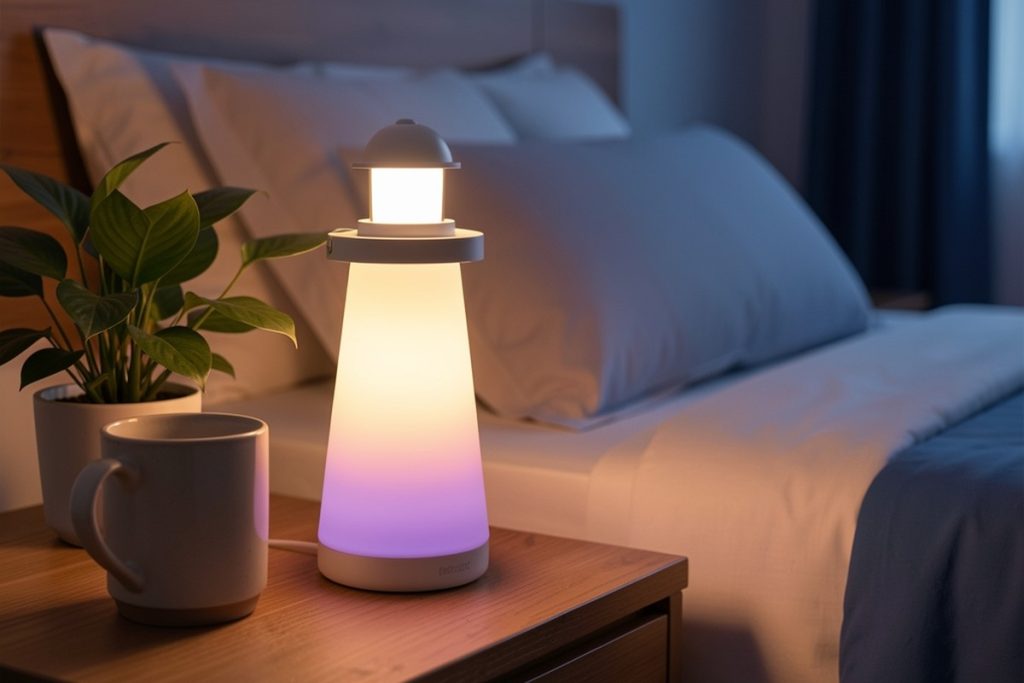
Quick answerMatter and Wi-Fi are not competing types of smart lamp technology. Wi-Fi describes how a device connects to your network, while Matter is a compatibility…
Quick answerTo turn a lecture recording into useful AI study notes, capture clear audio, create a transcript, verify names and technical terms, then ask an AI…
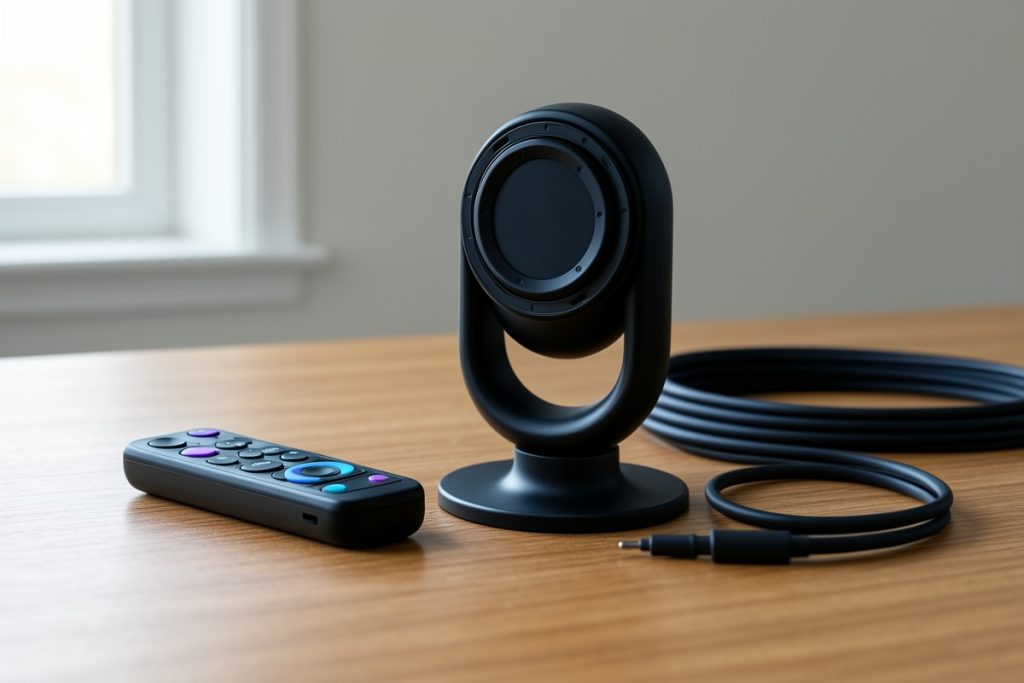
Quick answerTo film a solo tutorial, place your camera at eye level, mark a clear movement area, test tracking before recording, and keep a backup fixed…
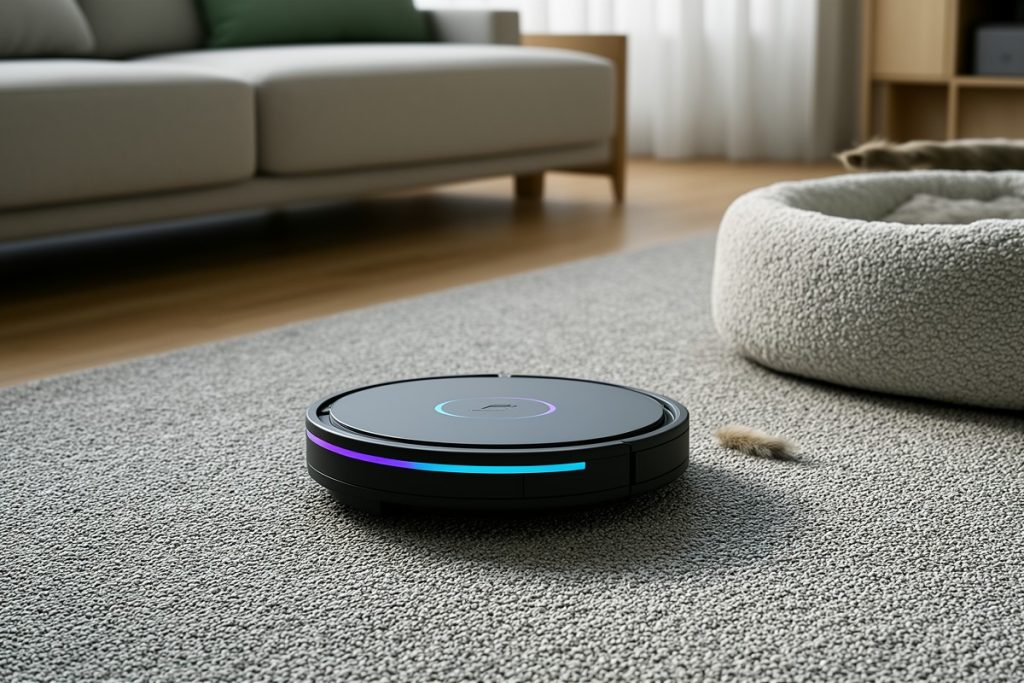
Quick answerAI robot vacuums use sensors and software to map rooms, plan routes, avoid obstacles, and repeat scheduled cleaning. They can make everyday pet-hair maintenance easier,…
Quick answerA small paper-airplane project can teach the foundations of autonomous systems—goals, sensors, feedback, correction, and human oversight—without pretending that every automated feature is AI. The…
Quick answerA programmable robot can turn debugging into a visible, low-pressure experiment: give it one clear goal, predict what should happen, run the command, and change…
Quick answerSet up a voice-enabled AI robot as if it were a connected microphone and camera, not just a toy. Before using it, identify what it…
Quick answerFor hands-free everyday tasks, choose AI glasses by starting with one repeatable job—capturing short video, listening to audio, or getting voice-based assistance—then verify the camera,…
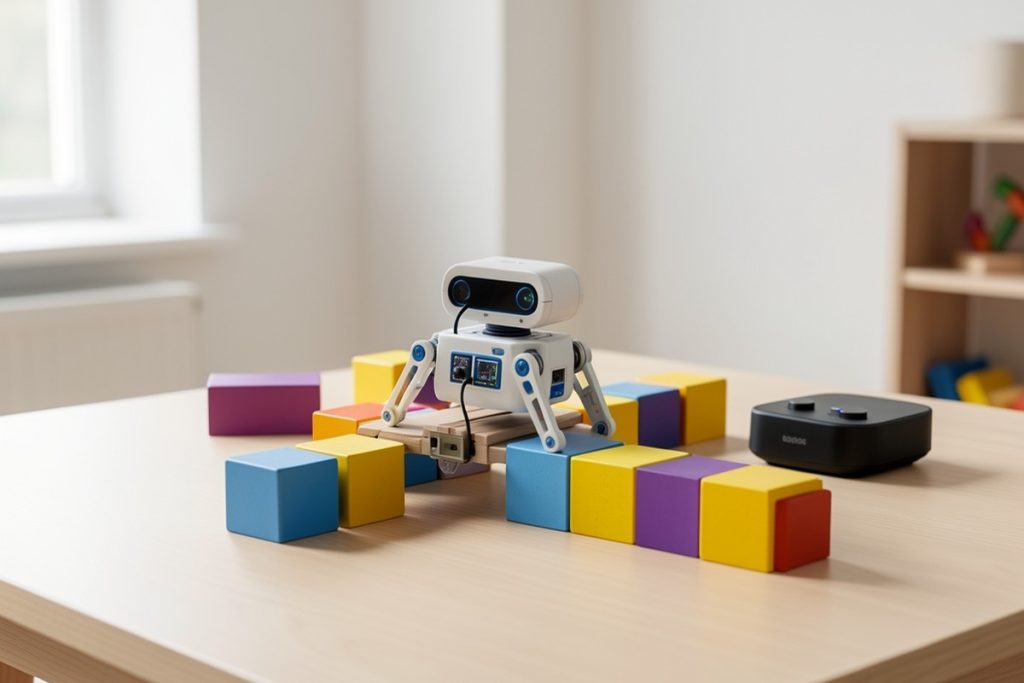
Quick answerThe right smart STEM robot toy should turn curiosity into small, repeatable projects rather than simply perform tricks. Look for age-appropriate controls, a clear path…
Quick answerTo secure a wireless outdoor security camera, protect the account, home network, camera app, and physical device together. Use a unique password and available two-factor…