
Quick answer
Morning facial puffiness is often temporary, but it can also reflect an allergy, infection, medication effect, or another cause. Start with a cool compress, gentle face care, normal hydration, and sleeping with your head slightly elevated. A soft facial massage may feel soothing, but it cannot diagnose or treat swelling. Seek urgent help for breathing trouble or sudden severe swelling.
Key takeaways
- Brief, mild puffiness may improve with a cool compress, head elevation, and time.
- Use facial massage lightly and only on intact, comfortable skin.
- Do not use a massage tool over a rash, infection, injury, or painful swelling.
- Sudden swelling with breathing difficulty, hives, or throat tightness requires urgent medical attention.
By Dr. Priya Sharma, Evidence-Based Health Expert
Last reviewed: 2026-09-14
Why your face may look puffy in the morning
Facial puffiness is a visible sign of fluid or inflammation in the tissues, not a diagnosis by itself. Sleeping flat can make mild fluid pooling more noticeable when you wake. Other possible contributors include allergies, sinus problems, a recent salty meal, irritation from a skin-care product, medication reactions, an injury, or dental problems.
The pattern matters. Puffiness that is mild, familiar, and gone within a few hours is different from swelling that is painful, one-sided, hot, red, or steadily worsening. According to MedlinePlus guidance on facial swelling, facial swelling can have many causes, so repeated or unexplained episodes deserve medical attention rather than repeated self-treatment.
Simple steps for mild, temporary puffiness
If the swelling is mild and you otherwise feel well, try a conservative routine:
- Use a cool compress. Place a clean, cool—not icy—cloth over the area for a few minutes. Avoid pressing hard or applying ice directly to your skin.
- Keep your head slightly elevated. Sleeping with your head raised may help reduce fluid collecting around the face. Do not force your neck into an uncomfortable position.
- Wash gently. Use lukewarm water and a mild cleanser if needed. Skip scrubs, strong acids, fragranced products, or anything that recently caused stinging.
- Move normally and hydrate. A normal morning walk and regular fluid intake are reasonable habits, but excessive water will not fix swelling caused by an allergy, infection, or medical condition.
- Notice the pattern. Record when the puffiness appears, how long it lasts, and any new foods, medicines, cosmetics, or symptoms. This information can help a clinician identify a trigger.
Can facial massage reduce puffiness?
Gentle massage may feel relaxing and may temporarily change how the skin and soft tissues look. However, a massage tool should not be presented as a treatment for facial edema, allergies, sinus disease, infection, or other medical causes. Evidence for consumer facial tools producing lasting changes in facial contour or “detoxifying” the body is limited.
If you want to try facial massage for comfort, use very light pressure on clean, intact skin for a short period. The tool should glide rather than pull, pinch, or leave significant redness. Stop if you feel pain, warmth, tingling, increasing swelling, or skin irritation. Clean the tool according to its care instructions and do not share it without properly cleaning it.
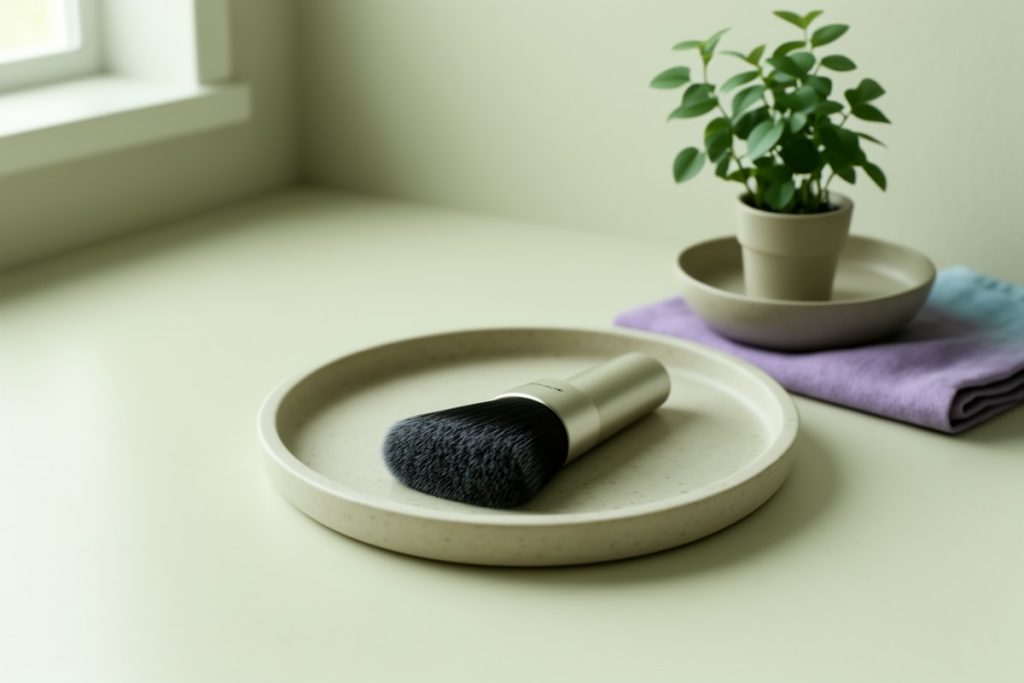
One optional product is the Lymphatic Contour Face Brush, Lymphatic Drainage Massager for Face, Ergonomically Designed to Fit The Skin Precisely (C-1PCS). Its ergonomic shape may make gentle, consistent strokes easier, but the product description does not establish that it treats swelling or permanently changes facial shape. It is best considered a comfort or skin-care accessory, not a medical device or substitute for evaluation.
When not to massage swollen facial skin
Skip facial massage if the area is painful, hot, red, bruised, broken, sunburned, or affected by an active rash. Avoid using a tool over a suspected infection, a fresh wound, or recently treated skin unless your clinician has said it is appropriate. Pressure can worsen irritation and may make it harder to notice that a problem is progressing.
Be especially cautious if swelling began after a new medicine, food, cosmetic, insect sting, dental procedure, or cosmetic treatment. In these situations, identifying and addressing the cause is more important than trying to move fluid manually.
A quick safety checklist
| What you notice | Reasonable next step | What to avoid |
|---|---|---|
| Mild puffiness that is familiar and improving | Cool compress, gentle cleansing, head elevation, and observation | Ice directly on skin or forceful massage |
| Swelling that lasts, returns often, or has no clear cause | Arrange a medical appointment and note possible triggers | Repeatedly masking it with tools or new products |
| Pain, redness, warmth, fever, or tenderness | Seek prompt medical advice | Massaging the area or waiting for it to worsen |
| Sudden swelling with breathing trouble, throat tightness, faintness, or widespread hives | Seek emergency help immediately | Driving yourself or trying home massage first |
When facial puffiness needs medical attention
Contact a healthcare professional if facial swelling is sudden, severe, painful, persistent, or getting worse. Fever, marked redness, tenderness, eye involvement, or swelling after an injury may indicate a problem that needs assessment. Dental pain or swelling around the mouth also warrants prompt care.
Get emergency help if swelling affects breathing or swallowing, or if it comes with throat tightness, faintness, confusion, or rapidly spreading hives. These symptoms can signal a serious allergic reaction. MedlinePlus specifically advises urgent care for severe or sudden facial swelling and breathing difficulty.
Facial puffiness is sometimes a minor, short-lived cosmetic concern, but its appearance alone cannot reveal the cause. Treat your skin gently, avoid aggressive tools, and use the duration, symptoms, and triggers to decide whether self-care is appropriate.