
If your bathroom grout still looks dingy after a full scrubbing session or your stove gaps collect crumbs that no cloth can reach, the issue is usually your tool—not your effort. The most effective way to clean narrow crevices and hard-to-reach tight spaces is to use slim, purpose-built tools with stiff bristles or scraper edges that physically enter the gap and lift debris out rather than pushing it deeper. Standard sponges, cotton swabs, and even toothbrush-style brushes are often too bulky or too soft to generate enough friction inside a narrow channel. Based on design research and observed utility patterns, narrow scrub brushes with rigid fibers, angled handles, and slim profiles consistently outperform general cleaning supplies for these specific tasks.
Why Tight Spaces Harbor the Most Stubborn Grime
Hard-to-reach gaps are magnets for moisture, food particles, and dust largely because they are skipped during routine surface wipes. Shower door tracks sit in constant humidity, creating an environment where soap scum bonds to plastic and metal while mildew settles into microscopic pores. Kitchen stove gaps trap airborne grease that cools into a sticky film, cementing crumbs and spices against the sides of the countertop seam. Window sills and sliding door tracks collect outdoor debris, pollen, and insect matter that compacts further every time the sash moves. Toilet hinges and faucet bases face daily splashes that evaporate and leave mineral deposits behind. Because these areas are narrow—often less than a quarter-inch wide—standard cleaning cloths simply slide across the top layer, leaving compacted buildup underneath that becomes harder to remove over time. The geometry of the space is working against you until you match it with an equally precise tool.
How Tool Geometry Solves the Problem
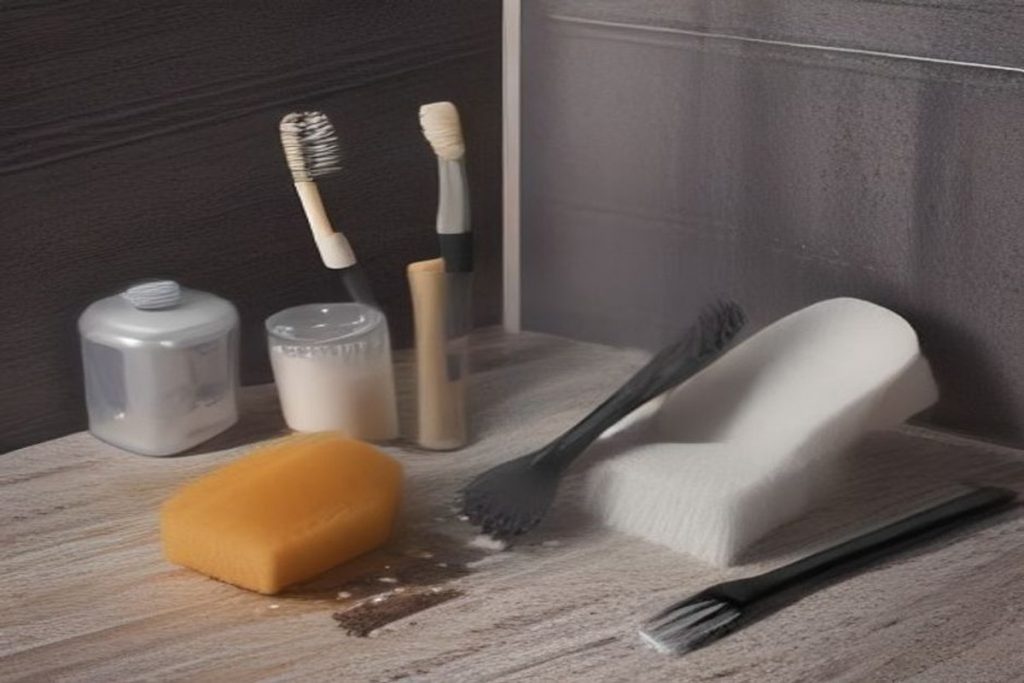
Effective crevice cleaning depends on matching the tool shape to the gap dimensions and the debris type. A brush head that is too wide will ride above the channel, redistributing dirt along the rim. Bristles that are too soft will bend backward and polish the grime instead of dislodging it. Handles that are too short force your fingers into wet, chemical-laden areas. After analyzing product designs, material durability, and recurring user-reported patterns, four tool categories consistently deliver the best results for household crevice maintenance.
| Tool Type | Best Used For | Key Advantage | Main Limitation |
|---|---|---|---|
| Stiff narrow-bristle brush | Shower tracks, stove gaps, toilet hinges | Rigid fibers scrape without bending; slim head enters tight channels | May scratch soft plastic or painted wood if excess pressure is applied |
| Scraper-combo brush | Dried food, window sills, grout lines | Dual-action edge lifts stuck debris while bristles sweep it away | Metal scrapers can mark delicate finishes; requires careful angle control |
| Microfiber detailing sleeve | Dusty baseboards, blind slats, vent grilles | Traps particles electrostatically instead of moving them around | Requires frequent washing and is not effective on stuck-on grime |
| Steam cleaner attachment | Sanitizing bathroom grout and sealed tile | High heat dissolves organic grime without additional chemicals | Bulky nozzle may not fit the tightest gaps; requires prep and dry time |
For daily maintenance across multiple rooms, stiff narrow-bristle brushes tend to offer the best balance of reach, scrubbing power, and storage convenience. They do not require electricity, take up minimal space in a cleaning caddy, and can transition quickly from dry debris removal to damp scrubbing.
Your Room-by-Room Crevice Cleaning Checklist
Rather than spraying an all-purpose cleaner and hoping for the best, target each zone with a deliberate sequence. Using the right motion and tool prevents you from pushing grime into areas that are even harder to access. Work through this checklist during your next deep-cleaning session:
- Kitchen stove and counter seams: First, use a dry narrow brush to push crumbs and loose debris out of the gap. Follow with a damp cloth wrapped around a thin putty knife or use a scraper-combo tool to lift any grease film. Finish by wiping the exposed surfaces with warm soapy water.
- Shower door tracks: Remove loose hair and soap chunks with a dry stiff-bristle brush first. Then dampen the brush or apply a mild cleaner directly to the bristles and scrub along the length of the track. Rinse by pouring small amounts of water along the track and absorb with a towel.
- Window and sliding door tracks: Vacuum the channel with a narrow nozzle if possible. Then use a scraper-combo tool to lift caked dirt from the corners where the track meets the vertical frame. Avoid metal scrapers on painted or aluminum tracks unless tested in a hidden spot.
- Toilet and faucet hardware: Scrub around hinge screws, faucet bases, and the gap between the tank and bowl with a slim brush. These areas trap splashed water and bacteria, so focus on mechanical removal before disinfecting.
- Baseboards and trim edges: Run a microfiber detailing sleeve or a narrow brush along the top edge of baseboards where dust settles. Follow with a damp cloth to capture any remaining film.
What to Look for Before Buying
A well-designed crevice tool should solve a specific geometry problem without creating a new one. Before making a purchase, evaluate three core design elements. First, consider bristle stiffness and material. Nylon or comparable synthetic fibers generally offer the rigidity needed to scrape inside channels without splaying after a few uses. Natural bristles may be too soft for compacted grime, while metal wires can damage finishes. Second, check the head width and shape. The cleaning end should be narrow enough to enter your smallest gap—typically between one-quarter and one-half inch—without flexing sideways. Angled or tapered heads improve access to corners where horizontal and vertical surfaces meet. Third, assess handle ergonomics and length. A handle that is too short forces your knuckles into wet areas and limits leverage. A slightly longer or ergonomically angled handle improves control and reduces fatigue during extended scrubbing. Finally, look for moisture-resistant materials that dry quickly and resist mold growth, since these tools often live in bathrooms and kitchens.
A Versatile Brush for Multiple Tight Spaces
One product that fits the stiff narrow-bristle category is the CLEANGOR Crevice Cleaning Brush. It features a slim brush head and rigid bristles marketed for use across shower tracks, kitchen gaps, bathroom corners, toilet edges, and window frames. You can view the product here: https://www.amazon.com/dp/B0DJK1RLX4?tag=getwitty-20. While it will not replace heavy-duty scrapers for baked-on messes or steam cleaners for deep sanitization, it functions as a practical everyday tool for routine debris removal and surface scrubbing in hard-to-reach areas. If your primary frustration is hair in shower tracks or crumbs in stove seams, a dedicated brush of this style addresses the geometry problem more directly than repurposed household items.
Bottom Line
Cleaning crevices effectively is less about spending hours scrubbing and more about choosing a tool whose shape matches the gap. Start with a slim, stiff-bristle brush for narrow channels, add a scraper-combo tool for dried or sticky debris, and keep a microfiber option for dust. Work methodically through each room using dry brushing before introducing moisture, and avoid relying on bulky sponges that only skim the surface. The right tool does not just save time—it prevents the gradual accumulation that turns minor grime into a major restoration project.
Last reviewed: 2026-08-05