
Quick answer
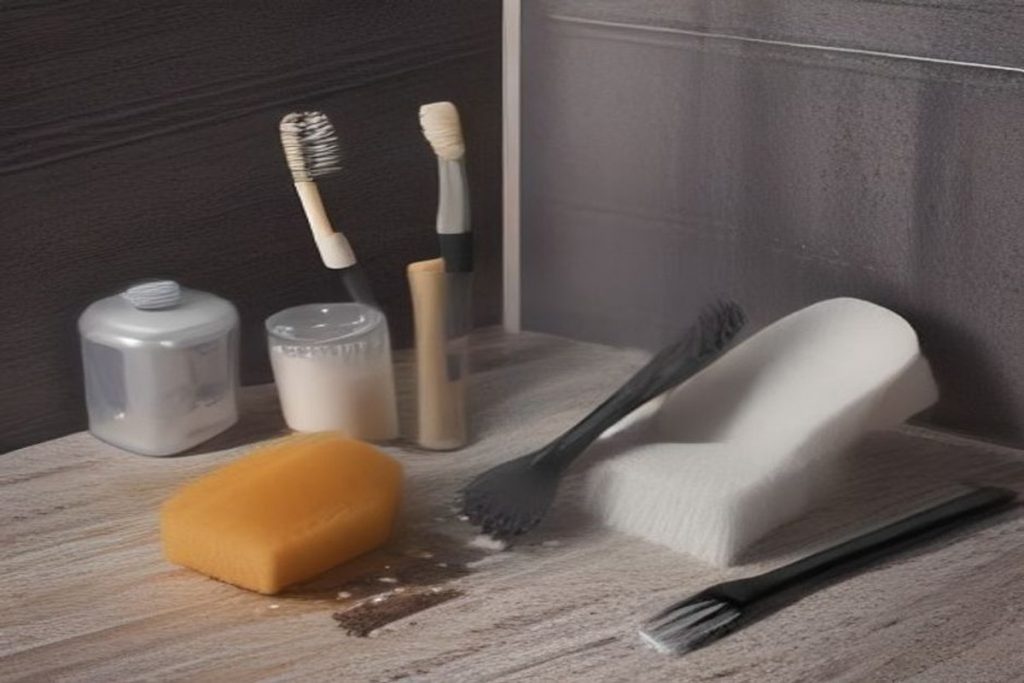
The best way to clean bottle gaps and tight crevices is to use a dedicated multifunctional brush set with narrow bristle heads, angled edges, and stiff scraping tools. Standard bottle brushes are too bulky for lid threads, straw holes, and rubber seals. A compact crevice tool reaches these buildup zones where bacteria and mold collect.
Key takeaways
- Reusable bottle lids, straws, and rubber gaskets trap moisture and food particles in narrow gaps that standard sponges cannot reach.
- Effective crevice brushes combine narrow bristles, angled tips, and scraping edges to dislodge residue from threads and seals.
- Clean small parts daily with warm soapy water and deep-clean weekly by fully disassembling lids and using targeted tools.
- Replace brushes when bristles fray or develop odors, as worn tools spread bacteria rather than remove it.
Why Reusable Bottles and Lids Harbor Hidden Grime
Reusable water bottles and insulated travel mugs are engineering marvels designed to prevent leaks, which means they rely on complex mechanical seals. Lids typically contain rubber gaskets, straw valves, threading mechanisms, and small vent holes that interlock tightly. Every time you drink, microscopic saliva, backwash, and environmental debris enter these cavities. When the bottle is closed, trapped moisture creates a humid microclimate where bacteria and biofilm flourish.
Standard bottle brushes excel at scrubbing the interior walls of a wide-mouth container, but their bulky sponge heads and thick plastic handles cannot navigate the 2-millimeter gap inside a threaded lid or under a silicone seal. A quick rinse under the faucet might wash away visible residue on exterior surfaces, but it does not generate the mechanical friction needed to break surface tension in these narrow channels. Water alone cannot dissolve oils and proteins that adhere to polymer threads.
Over time, this leads to odors, discoloration, and potential contamination that transfers to your next beverage. According to food safety guidance from the Centers for Disease Control and Prevention, any surface that contacts beverages and moisture requires thorough cleaning and complete drying to prevent microbial growth. If your clean bottle still smells like yesterday’s protein shake, the odor is likely emanating from a gasket or straw port you cannot see.
What Makes a Crevice Brush Actually Useful
Not every small brush performs well in mechanical lid components. A useful crevice cleaning tool has specific design traits that separate it from craft-store pipe cleaners or repurposed toothbrushes. The geometry of the tool must match the geometry of the gap, otherwise you are simply moving contamination around.
Narrow head profile: The working end must be slim enough to insert into straw openings, thread valleys, and vent holes without forcing the material apart or stressing the plastic. Ideally, the bristle width measures under five millimeters at the tip so it can sweep the full circumference of a standard straw port in one rotation.
Stiff, food-safe bristles: Nylon or comparable polymer bristles provide the rigidity to scrape dried smoothie or coffee residue without snapping. Soft artist brushes or cotton swabs simply move liquid around; you need tangible resistance to dislodge solids that have dried overnight.
Angled or dual-ended construction: An angled neck lets you apply downward force while keeping your knuckles clear of the sink rim. A dual-ended tool with a flat scraper or hooked pick on the opposite side helps lift caked material from rubber gaskets without tearing the silicone.
Ergonomic grip: Because you are working in tight quarters against spring-loaded seals, a textured handle prevents the tool from rotating in wet hands. Compact length also improves leverage compared to full-size bottle brushes that flex and waste energy.
Comparison: Common Cleaning Tools for Tight Spaces
| Tool | Best For | Limitations in Gaps |
|---|---|---|
| Standard bottle brush | Wide bottle interiors | Too thick for threads, straws, and seals |
| Cotton pipe cleaners | Loose debris in craft projects | Too flimsy for dried residue; not food-safe |
| Toothpicks or swabs | One-time spot removal | Push debris deeper; create waste |
| Multifunctional crevice set | Lid threads, gaskets, straw holes | Requires periodic replacement like any brush |
How to Deep-Clean Bottle Gaps and Small Crevices
A systematic approach yields better results than aggressive scrubbing. Start by fully disassembling the lid. Remove straws, rubber gaskets, and flip-top valves according to the manufacturer’s instructions. If you force a component that is not meant to detach, you may damage the seal and cause leaks later.
Soak all small parts in warm water with a mild dish soap for five to ten minutes. This loosens oils and dissolves sugar residues. While they soak, wash the bottle interior with a conventional brush.
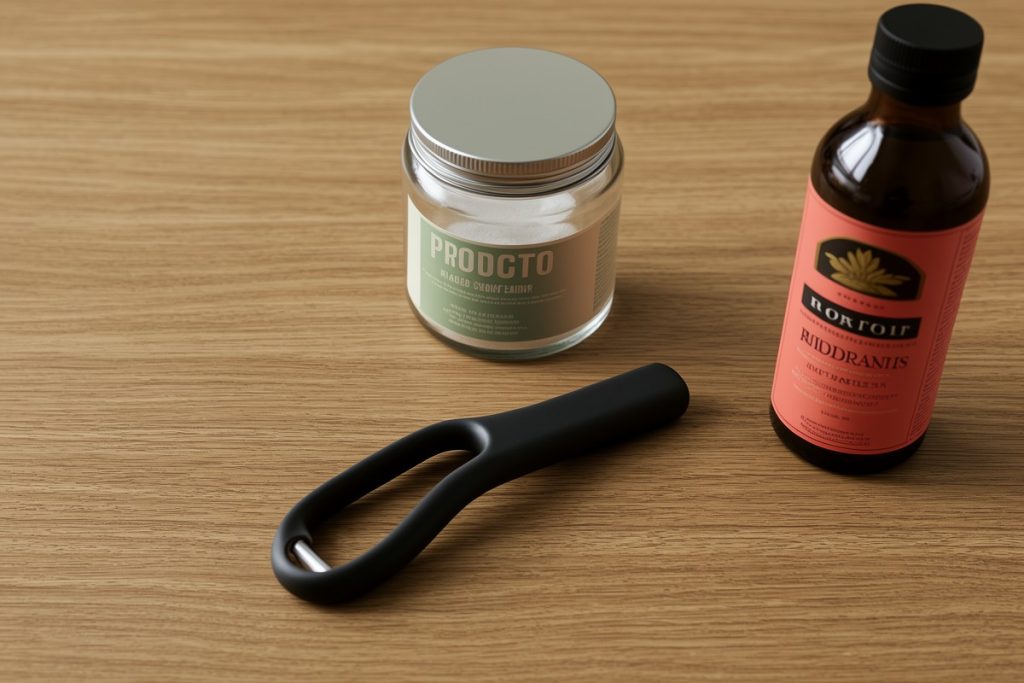
Next, target the mechanical zones. Insert a narrow crevice brush into each thread channel and straw opening, rotating the bristles against the walls rather than pushing straight through. Use the scraping edge to gently lift film from the gasket groove. For this step, a dedicated set like the HRXFOZ 3 in 1 Multifunctional Cleaning Brush helps. Its narrow bristle heads and integrated scraper are sized specifically for lid threads, straw openings, and rubber seals, allowing you to mechanically remove buildup rather than rinsing it.
Rinse every component under running water until the soap film is gone. Shake off excess moisture, then place the pieces on a drying rack with the openings facing down. Air circulation is critical; storing a lid while damp guarantees microbial regrowth. If possible, let parts dry completely before reassembling.
When to Replace Your Cleaning Tools
Brushes are not immortal. Bristles fray, handles crack, and retained moisture causes odors that signal bacterial colonization within the tool itself. Inspect your crevice brushes weekly. If the tips bend permanently, the bristles shed, or the brush smells musty even after drying, discard it. A compromised brush redeposits contaminants instead of removing them.
Rotate between two brush sets if you clean bottles daily. Allowing a full twenty-four hours of drying time between uses extends bristle life and prevents cross-contamination. Store brushes upright in a ventilated cup rather than sealed in a drawer. By matching the right tool to the right geometry and maintaining it responsibly, you eliminate the hidden grime that standard washing leaves behind.
Sources
Last reviewed: 2026-08-07