
Quick answer
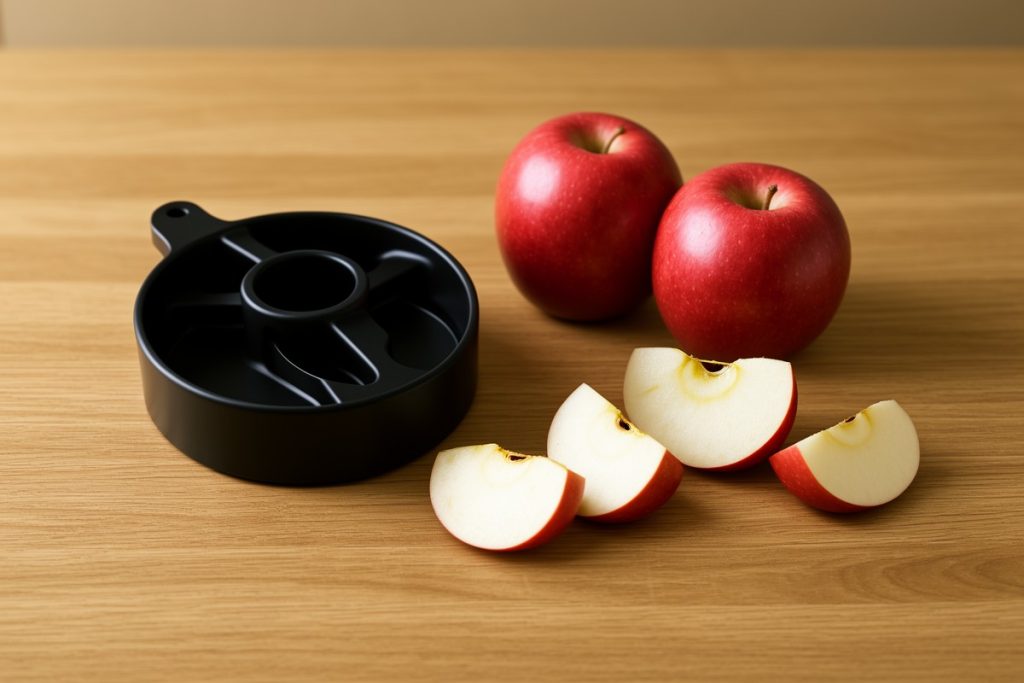
The best manual apple peeler corer slicers combine a strong suction base, stainless steel blades, and a cast metal frame that withstands daily crank pressure. For home cooks who bake weekly or prep large batches, a heavy-duty model with an integrated corer and slicer saves significant time over paring knives while keeping the apple intact for even cooking.
Key takeaways
- Look for cast metal frames and stainless steel blades rather than thin plastic housings that flex under pressure.
- A powerful suction base prevents slipping on smooth counters better than most clamp-style mounts.
- Integrated coring and slicing functions turn whole apples into uniform spiral rings in seconds.
- Hand-wash and dry blades immediately after use to prevent oxidation and maintain sharpness.
- These tools also handle firm potatoes and pears, making them versatile beyond pie season.
Peeling, coring, and slicing apples by hand is tedious, inconsistent, and tough on wrists. A well-built manual apple peeler corer slicer turns a basket of fruit into pie-ready rings in minutes, but not all countertop models can handle daily use without sliding, wobbling, or stripping gears. If you process more than a few apples at a time—or if you help children prep healthy snacks—the difference between a cheap gadget and a heavy-duty tool is immediately obvious. The right unit should stay anchored, cut cleanly, and break down quickly for washing without requiring a toolbox.
Why Manual Peeler Corers Beat Electric for Most Home Cooks
Electric peelers and motorized spiralizers promise speed, yet they often remove too much flesh, struggle with organic fruit shapes, and demand precious outlet space. Manual crank models put you in direct control of peel thickness and pressure. You can pause to inspect a blemish, adjust for a small crabapple, or switch to a firm russet potato without swapping adapters or worrying about motor strain.
Countertop manual units also store easily in a cabinet or pantry shelf and operate silently—no motor hum, no extra cords, and no risk of overheating during long canning sessions. For families that bake a few pies each month, prep apples for school lunches, or preserve autumn harvests, the simplicity of a hand-crank design usually outweighs the marginal speed gains of an electric alternative. The key is choosing one that stays put and does not require two hands just to stabilize the base while a third hand turns the crank.
What Separates Heavy-Duty Models from Flimsy Countertop Versions
Budget peelers often rely on thin plastic frames and small clamp mounts. After a few firm cranks, the housing flexes, the blade skips, and the clamp loosens. Heavy-duty models use cast metal—often magnesium alloy or die-cast aluminum—for the frame and yoke, which keeps the apple centered while the crank turns smoothly. That rigidity translates to cleaner peels with less flesh wasted.
Blade material matters just as much. Stainless steel resists the acidic juice that quickly rusts carbon steel, maintaining a clean cut through dozens of apples. The best designs integrate the corer and slicer into a single mechanism: as the fruit rotates against the blade, a ring cutter removes the core and optional slicing wires divide the fruit into even sections. When all three functions happen in one motion, prep time for a standard pie drops from fifteen minutes to under two.
Suction bases have largely replaced traditional clamps on premium models. A wide, powerful suction cup adheres to granite, laminate, and quartz surfaces without marring edges. Once the lever is pressed, the unit should feel bolted to the counter, freeing both hands to guide the fruit and catch the output. Clamp models, by contrast, require an overhanging lip and can dent wood or loosen tile grout over time.
Practical Checklist: Evaluating Build Quality Before You Buy
Use these criteria when comparing models online or in-store:
| Feature | What to Look For | Why It Matters |
|---|---|---|
| Frame Material | Cast magnesium alloy or die-cast metal | Resists flexing and stripped gears under crank pressure |
| Blade Material | Stainless steel | Resists corrosion from acidic fruit juice |
| Mounting Style | Wide suction base with locking lever | Prevents slipping on smooth counters without clamps |
| Height Clearance | At least 3.5 inches of vertical capacity | Fits large Honeycrisp and Fuji apples |
| Handle Grip | Ergonomic, non-slip crank knob | Reduces hand fatigue during large batches |
How to Secure and Use a Suction-Base Peeler Safely
Even the strongest suction cup fails on porous, textured, or dirty surfaces. Before mounting, wipe the counter with a damp cloth and dry it thoroughly. Position the peeler, then press the suction lever firmly downward until you feel resistance. Test by gripping the frame and pulling gently; if it shifts, re-moisten the rim and try again.
Wash the apple and remove any stickers before mounting it on the prongs. The prongs grip the fruit from the top and bottom, so the apple must be reasonably centered to avoid wobble. Turn the crank slowly for the first revolution to check peel depth, then increase speed. Catch the peel in a bowl to keep the workspace tidy. When finished, release the suction lever before lifting to avoid damaging the seal or the counter surface.
Top Pick for Busy Households
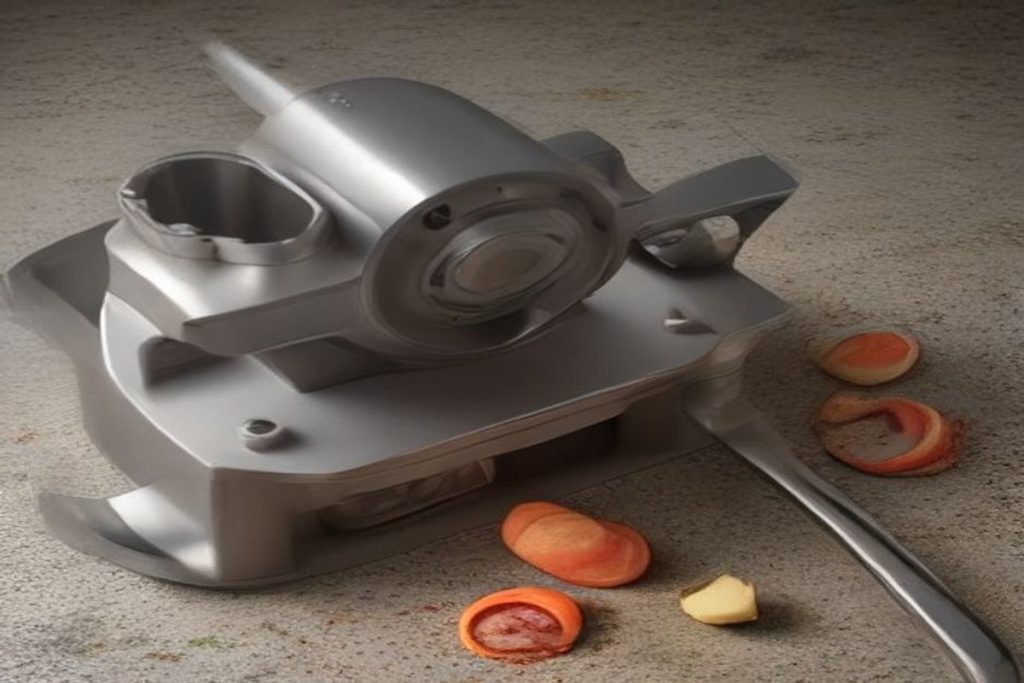
If you need one tool that handles daily apples and occasional potatoes without drifting across the counter, a long-lasting chrome cast magnesium alloy model with stainless steel blades and a powerful suction base is worth considering. This heavy-duty apple peeler corer slicer is built with a cast frame that resists the flexing that ruins cheaper units, while the suction base grips firmly during repetitive cranking. It is capable of peeling, coring, and slicing apples into uniform rings, and the same mechanism works for potatoes when you want even slices for gratins or chips. The unit is finished in blue, making it easy to spot in a crowded kitchen drawer.
Cleaning and Maintenance to Extend Blade Life
Acidic residue dulls blades faster than time alone. Disassemble the unit according to the manufacturer’s instructions—usually the blade arm and coring ring detach with a single screw or pin. Wash stainless steel parts by hand in warm, soapy water; avoid prolonged soaking that can seep into the frame joints. Dry every component immediately with a lint-free towel.
Store the peeler in a dry cabinet rather than leaving it on a damp counter. Once a month, check the suction cup for crumbs or oil buildup that could break the seal, and inspect the prongs for bending. With basic care, a cast metal unit should last many pie seasons without replacement.
Sources
- USDA FoodData Central — Nutrient profiles and yield data for raw apples with and without peel.
- FDA Safe Food Handling — Federal guidelines on washing produce before peeling or cutting to reduce surface contamination.
Last reviewed: 2026-08-07