
Quick answer
Staying well on a long flight starts with regular fluids, sleep-friendly choices, and a simple plan—not a shelf full of supplements. Bring an empty reusable bottle, refill it after security, sip steadily, and use an electrolyte or wellness powder only when its ingredients fit your needs. Read the label, avoid doubling up on nutrients, and treat supplements as optional convenience rather than illness protection.
Key takeaways
- Use plain water as your baseline, then add flavor or electrolytes when they make drinking easier.
- Check vitamin, mineral, sugar, sodium, medication, and allergy considerations before using a powder.
- Do not assume vitamin C or zinc prevents a cold or replaces sleep, food, or medical care.
- For vomiting, diarrhea, confusion, fainting, or severe dehydration symptoms, seek medical guidance instead of relying on a wellness mix.
By Luna Reyes, Mindful Wellness Guide
Why long flights call for a simple wellness plan
Travel days make ordinary habits harder. You may leave home before breakfast, wait in a crowded terminal, drink more coffee than usual, and arrive at a different time zone feeling tired. The goal is not to control every variable. It is to make a few good choices easy enough to repeat.
Hydration is a useful starting point because thirst, dry mouth, fatigue, and headache can make a long journey feel worse. However, there is no universal amount of water that every traveler should force down. Needs vary with body size, weather, activity, food, health conditions, and medications. Frequent bathroom trips can also make people avoid drinking altogether, so aim for steady intake rather than trying to “catch up” all at once.
Sleep matters too. Large amounts of caffeine late in the day, alcohol, heavy meals, and anxiety about feeling unwell can all interfere with rest. A practical travel plan should support comfort and sleep, not turn the flight into a supplement experiment.
Build a two-layer hydration kit
Think of your travel kit in two layers: a reliable foundation and an optional add-on.
| Layer | What it does | What to check |
|---|---|---|
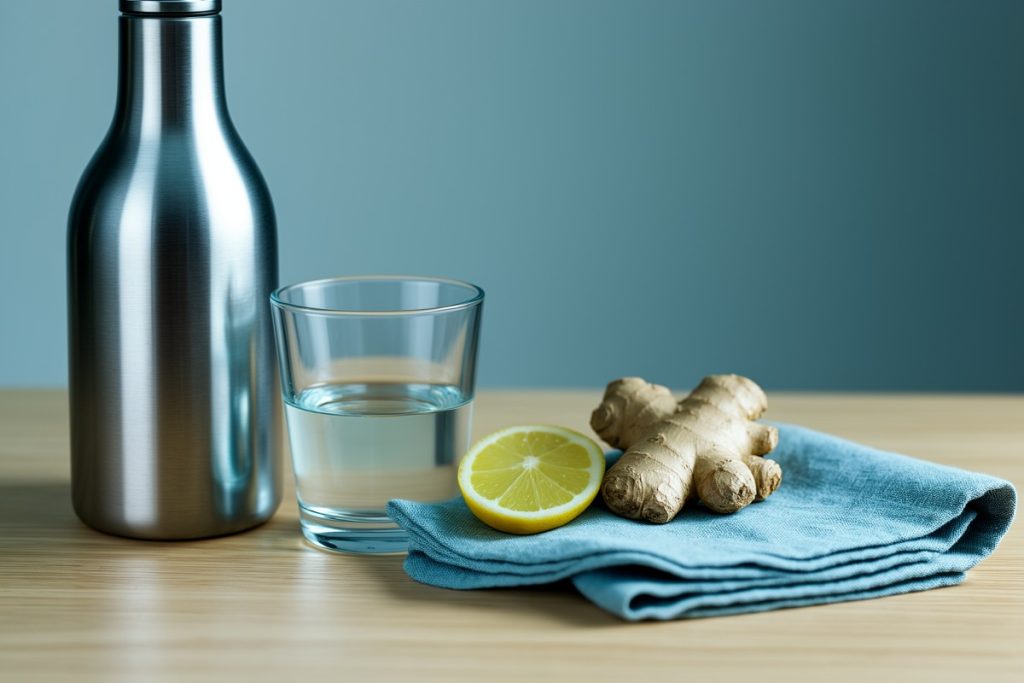
| Foundation | Provides a simple drink you can return to throughout the journey. | Bring an empty reusable bottle, refill it where permitted, and drink according to thirst and comfort. |
| Optional add-on | Adds flavor or electrolytes when plain water is difficult to enjoy or when fluid losses are higher than usual. | Review sodium, sugar, serving size, allergens, and overlapping vitamins or minerals. |
| Backup plan | Helps if illness, medication, or a medical condition changes your fluid needs. | Ask a clinician or pharmacist instead of guessing with multiple products. |
Pack a bottle that is easy to clean and unlikely to leak. Keep a small, familiar snack available if airport meals are delayed. If you take prescription medicine, store it according to your clinician’s instructions and do not use a drink mix as a substitute for medication.
When a wellness powder makes sense—and when it does not
A single-serve powder can be convenient if you dislike plain water, want a lightweight travel option, or prefer measured portions to carrying a large container. Convenience is the honest benefit. It may help you choose a drink you will actually consume, but that is different from proving that the product prevents illness or improves immunity.
The TRULEAN Everyday Wellness Shot Powder Drink Mix, 30 Serving | Immune Support Supplement, Vitamin C, Zinc, Ginger, Turmeric, Electrolytes, Travel Wellness Packets, 0 Sugar, Gluten Free is one example designed around portable servings. Its listing describes vitamin C, zinc, ginger, turmeric, electrolytes, and zero sugar. Those details can help you compare it with your needs, but they do not establish that it will prevent a cold, cure dehydration, or work better than food and water.
Before using any powder, read the complete label rather than focusing on a single ingredient. Confirm how many servings you may use, whether it contains sweeteners or allergens, and whether its vitamin or mineral amounts overlap with a multivitamin. Zinc deserves particular attention: the National Institutes of Health lists 40 milligrams per day as the adult upper limit from all sources unless a healthcare professional advises otherwise. More is not automatically better.
Ask a pharmacist or clinician before using supplements if you are pregnant, managing kidney or heart disease, taking medication, following a restricted diet, or considering repeated high-dose use. The FDA also notes that dietary supplements are not evaluated for safety and effectiveness in the same premarket process as medicines. A familiar ingredient is not a guarantee that every formulation is right for you.
A low-stress routine for the travel day
Before leaving home
- Drink normally with breakfast or your first meal; do not preload with an uncomfortable amount of water.
- Check your powder’s serving directions and ingredient list before packing it.
- Place your bottle, medication, and any approved travel essentials where they are easy to reach.
At the airport
- Refill your empty bottle after security when a safe drinking-water station is available.
- Choose a balanced meal or snack rather than relying on coffee and sweet drinks.
- Use a powder only if you have already checked the label and know how it fits your day.
During the flight
- Take small, comfortable drinks periodically instead of waiting until you feel parched.
- Stretch, change position, and rest your eyes when practical; hydration is only one part of feeling better after travel.
- Keep your sleep plan realistic: dim light, comfortable layers, and less late caffeine may help more than another supplement.
Know when a travel drink is not enough
A wellness powder is not oral rehydration therapy for significant illness. If you develop vomiting or diarrhea, ask a healthcare professional or pharmacist about an appropriate oral rehydration solution, particularly if you are traveling with a child, an older adult, or someone with a chronic condition. Ordinary supplements may not provide the right balance of fluids and electrolytes for that situation.
Seek prompt medical help for confusion, fainting, severe weakness, inability to keep fluids down, bloody diarrhea, severe abdominal pain, or symptoms that are getting worse. If you have a condition that affects fluid balance, follow your personal care plan rather than generic travel advice.
Use the simplest plan you can repeat
The best long-flight wellness strategy is usually boring in a helpful way: carry water, eat something substantial, protect your sleep, and use supplements only when they solve a genuine convenience problem. A powder may be useful because it travels easily and adds variety, but it should stay in its proper place—an optional tool, not a promise of protection.
Before your next flight, ask three questions: Will I actually use this? Do I understand every ingredient? Could it duplicate something I already take? If the answers are clear, your travel kit is probably doing its job without becoming another source of stress.
Last reviewed: 2026-09-14
Sources
- Questions and Answers on Dietary Supplements — U.S. Food and Drug Administration.
- Vitamin C Fact Sheet for Consumers — National Institutes of Health, Office of Dietary Supplements.
- Zinc Fact Sheet for Consumers — National Institutes of Health, Office of Dietary Supplements.
- Food and Water Safety — Centers for Disease Control and Prevention.