
Quick answer
To plan a week of easy meals, choose five flexible dinners, reuse overlapping ingredients, assign leftovers to lunch, and shop from one focused list. Start with meals that share a few staples rather than buying ingredients for seven unrelated recipes. Keep one low-effort backup meal available, and refrigerate cooked food promptly so your plan remains practical and safe.
Key takeaways
- Plan five dinners, not seven completely different meals.
- Reuse ingredients across recipes to reduce waste and shopping costs.
- Schedule the quickest meals for busy evenings and save flexible recipes for later in the week.
- Use leftovers deliberately for lunch instead of treating them as accidental extras.
- Keep one shelf-stable or freezer-friendly backup meal on hand.
Start with your week, not with recipes
Begin by looking at the week ahead. Mark the evenings when you will be home, have limited time, or expect more energy for cooking. This prevents a common planning mistake: choosing ambitious recipes before checking whether they fit your schedule.
A useful beginner plan usually includes three types of meals:
- Fast meals: Dishes that can be assembled or cooked in about 20 minutes.
- Flexible meals: Bowls, tacos, pasta, stir-fries, or sheet-pan combinations that can absorb ingredient substitutions.
- Leftover-friendly meals: Recipes that keep their texture and flavor when reheated or repurposed.
Plan five dinners instead of seven. Use leftovers, simple breakfasts, sandwiches, or a freezer meal for the remaining days. This gives you room for schedule changes and reduces the chance that fresh ingredients sit unused.
Build a simple five-day meal pattern
You do not need a different cooking method every night. Repeating a dependable structure makes meal planning easier while still allowing variety. For example, one week might look like this:
| Day | Meal format | Why it works |
|---|---|---|
| Monday | Sheet-pan chicken or vegetables with a grain | One pan and easy leftovers |
| Tuesday | Pasta with vegetables and a simple sauce | Fast and adaptable |
| Wednesday | Tacos, wraps, or rice bowls | Uses leftover protein and produce |
| Thursday | Soup, curry, or a one-pot meal | Good for batch cooking |
| Friday | Eggs, sandwiches, or freezer-friendly food | Low effort at the end of the week |
The goal is not to follow this exact menu. The goal is to combine familiar formats with overlapping ingredients. If you buy spinach, for example, use it in pasta, eggs, wraps, or a grain bowl rather than purchasing separate greens for every meal.
Choose ingredients that can do more than one job
Before writing your shopping list, identify three or four ingredients you can use repeatedly. A cooked grain can become a side dish, bowl base, or filling. A roast chicken can serve as dinner, sandwich filling, or taco meat. Carrots can appear in a sheet-pan meal, soup, or snack box.
Keep the overlap intentional, but not excessive. Eating the same complete meal five nights in a row can make a plan feel restrictive. Reuse components instead: a sauce, cooked grain, roasted vegetable, or prepared protein can appear in several different combinations.
For a beginner-friendly grocery list, organize items by store section:
- Produce: Choose a few durable vegetables, one or two quick-cooking vegetables, fruit, and herbs if needed.
- Protein: Select one fresh option and one convenient option such as eggs, beans, lentils, tofu, canned fish, or frozen poultry.
- Staples: Add rice, pasta, tortillas, potatoes, oats, or another base you already enjoy.
- Flavor builders: Include a sauce, broth, canned tomatoes, garlic, spices, or a dressing.
- Backup foods: Keep one frozen, canned, or shelf-stable meal component for an unexpectedly busy night.
Use a beginner cookbook without overcomplicating the plan
A beginner cookbook can help when the hardest part is deciding what to make. The Beginner’s Cookbook: Simple – Easy – Delicious may be useful as a source of straightforward recipe ideas and a starting point for building a weekly rotation. Treat it as a menu reference rather than a requirement to cook every recipe exactly as written. Check the ingredients, serving sizes, equipment, and time before adding a recipe to your week.
Choose recipes that share ingredients with other meals. If one recipe calls for a specialty item you will not use again, consider a substitution or save it for a week when several recipes use the same ingredient. A cookbook supports planning best when it reduces decisions rather than creating a longer shopping list.
Schedule cooking around your energy
Put the most demanding meal on the day when you have the most time. Save assembly meals for evenings when you expect to be tired. You can also prepare one useful component in advance without cooking every meal at once.
For example, wash produce, cook a pot of rice, mix a sauce, or portion snacks on the day you shop. Keep delicate ingredients for earlier in the week and use sturdier vegetables, eggs, canned foods, and frozen ingredients later. This order helps the plan survive a missed cooking day.
A practical weekly rhythm might be:
- Shopping day: Buy only the ingredients assigned to your meals and check what you already have.
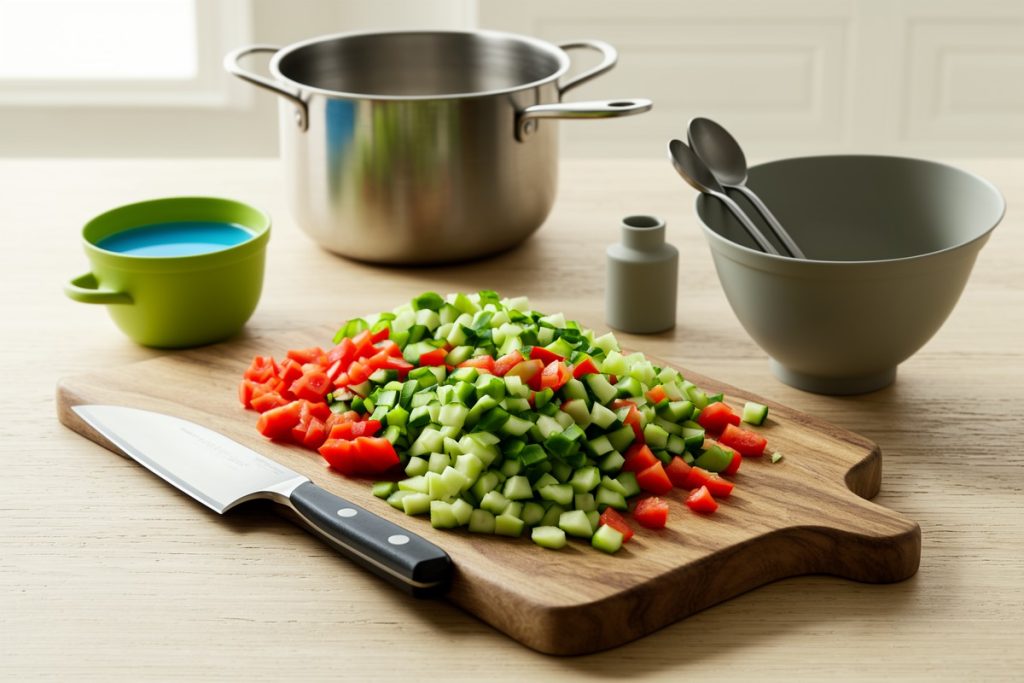
- Preparation day: Wash, chop, cook one staple, and store ingredients where they are easy to see.
- Midweek reset: Reassess leftovers and move a flexible meal earlier or later if your schedule changes.
Follow this five-minute planning checklist
- Check your calendar for busy and open evenings.
- Choose three meal formats and two leftover-friendly recipes.
- List ingredients that can be used in at least two meals.
- Assign leftovers to specific lunches or dinners.
- Confirm you have basic equipment, storage containers, and pantry staples.
- Add one low-effort backup meal.
- Remove duplicate or single-use ingredients from the grocery list.
Store leftovers safely
Meal planning only works if the food remains safe to eat. Refrigerate perishable food within two hours, or within one hour when the surrounding temperature is above 90°F, according to the U.S. Department of Agriculture. Divide large amounts into shallow containers so they cool more quickly, and label containers with the cooking date for easier rotation.
USDA guidance generally recommends using refrigerated leftovers within three to four days. Reheat leftovers thoroughly, and discard food that has been left in unsafe conditions or that you are unsure about. When a meal will not be eaten soon, freeze it in a suitable container and leave room for expansion.
Make the plan easier next week
After the week ends, spend two minutes reviewing what actually happened. Keep meals that were easy to shop for, satisfying, and realistic for your schedule. Change meals that required too many ingredients, created unwanted leftovers, or took more time than expected.
Save the successful combination as a repeatable template. Over time, you can build a short rotation of dependable dinners instead of starting from zero every weekend. The best beginner meal plan is not the most impressive one; it is the one simple enough to use again.
Last reviewed: 2026-10-05