Quick answer
A relaxing shower routine works best when it is short, repeatable, and sensory without pretending to be medical treatment. Dim the room, choose comfortably warm—not hot—water, use a gentle cleanser, add one calming cue such as slow breathing or a shower steamer, and end on time. Treat it as a transition into rest, not a cure for anxiety or insomnia.
Key takeaways
- Keep the routine to about 10 minutes so it feels easy to repeat.
- Use warm water rather than very hot water, especially if your skin is dry or sensitive.
- Choose one sensory cue—breathing, gentle music, dim light, or fragrance—instead of adding clutter.
- Shower steamers may make the routine feel more enjoyable, but aromatherapy is not a proven treatment for medical conditions.
Why a short shower routine can help you unwind
A shower will not solve chronic stress, anxiety, or poor sleep on its own. However, a consistent evening routine can give your brain a clear signal that the active part of the day is ending. The benefit comes less from creating a perfect spa experience and more from repeating a few manageable actions in the same order.
Warm water may also support relaxation before bed. A review of studies found that passive body heating through a warm shower or bath, timed before bedtime, was associated with faster sleep onset and improved sleep quality. That does not mean hotter or longer showers are better. Excess heat can leave you flushed, uncomfortable, or more likely to experience dry skin.
The most useful goal is simple: create a transition. You are moving from work, screens, chores, or exercise toward whatever comes next—sleep, reading, or a quiet evening.
A practical 10-minute relaxing shower routine
Minute 0 to 1: Set up the room
Before turning on the water, make the space easier to use. Put your towel within reach, lower harsh lighting if possible, and leave your phone outside the bathroom. If you are using fragrance, make sure the room has adequate ventilation. Removing small decisions helps the routine feel restorative rather than like another task.
Minute 1 to 3: Start with comfortable warmth
Use water that feels pleasantly warm, not scalding. Very hot water can strip some of the skin’s protective oils and worsen dryness, particularly during colder weather or if you already have eczema-prone or sensitive skin. Let the water run over your shoulders and back while taking several slower breaths.
Try inhaling gently for four seconds and exhaling for six. The longer exhale is not a cure for stress, but it gives your attention something concrete to follow.
Minute 3 to 7: Clean efficiently
Wash the areas that need cleansing without turning the shower into a long, heavily fragranced scrub. Use a mild cleanser and avoid aggressive rubbing. If you washed your hair earlier, there is no need to repeat it simply because you are trying to relax.
This is also a good time to notice whether the routine is actually helping. If fragrance makes your eyes sting, skin itch, or breathing feel uncomfortable, rinse it away and stop using that product. Relaxation should not require tolerating irritation.
Minute 7 to 9: Add one calming cue
Choose only one or two cues that you genuinely enjoy. You might slow your breathing, use a familiar scent, play quiet audio outside the shower, or focus on the sound of the water. More products do not automatically create more calm; a crowded ledge and complicated sequence can have the opposite effect.
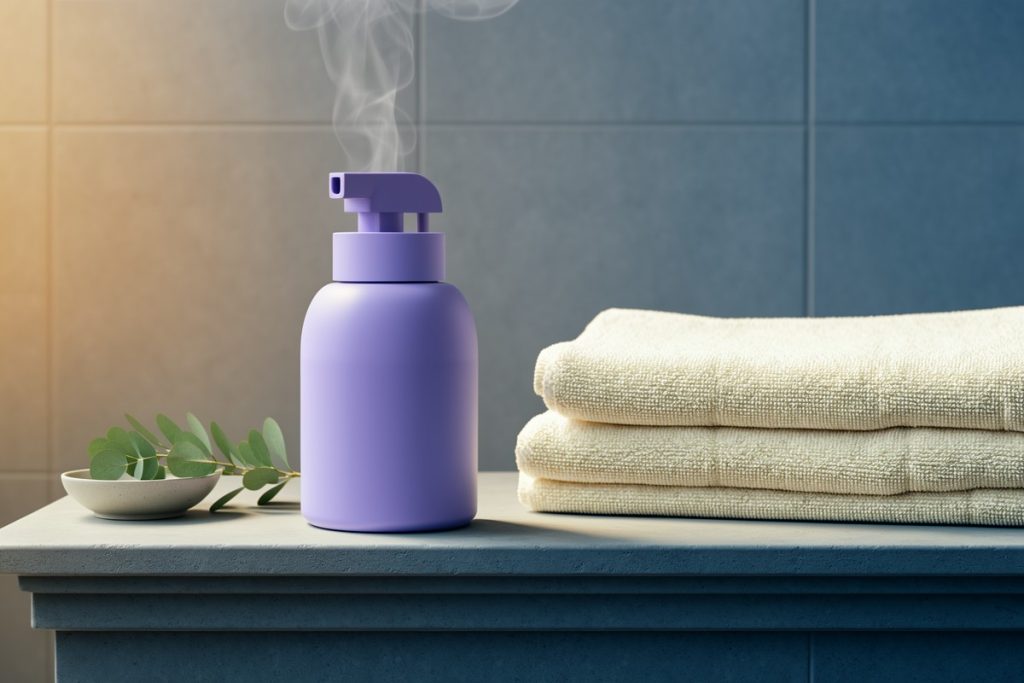
If you like aromatherapy products, Shower Steamers Aromatherapy, Self Care Gifts – Variety 6 Pack may be a convenient way to add a ready-made scent cue to a shower. Check the package directions and ingredients before use, place the steamer where it will receive splashes rather than sit directly under the strongest stream, and stop if the fragrance irritates you. Its role here is sensory enjoyment, not treatment.
Minute 9 to 10: End deliberately
Rinse thoroughly, turn off the water, and pat your skin dry rather than rubbing hard. Apply a plain moisturizer if your skin tends to feel tight. Finishing at a set time prevents a relaxing shower from becoming an expensive, dehydrating habit that delays sleep or other responsibilities.
How to choose between a shower steamer and no added fragrance
A shower steamer can be useful when you want a visible starting point for your routine, especially if you enjoy scent and prefer showers to baths. It is not essential. Steam alone, warm water, and a few quiet minutes can provide the same transition without adding a product.
| Option | Best for | What to watch for |
|---|---|---|
| No added fragrance | Sensitive skin, allergies, or a simpler routine | Keep the water warm rather than hot and moisturize afterward if needed |
| Shower steamer | People who enjoy fragrance and want a repeatable ritual cue | Check ingredients, ventilate the room, and avoid direct skin contact unless the directions specifically allow it |
Aromatherapy evidence varies by product, scent, and outcome. The National Center for Complementary and Integrative Health notes that research is still limited for many aromatherapy uses, and essential oils can cause skin irritation or allergic reactions. Avoid swallowing these products, keep them away from children and pets, and ask a clinician about use during pregnancy or with asthma, migraines, or fragrance sensitivity.
Protect your skin while making the routine calming
A relaxing routine should leave you comfortable afterward. Keep showers relatively brief, use a gentle cleanser, and apply moisturizer while the skin is still slightly damp. The American Academy of Dermatology recommends limiting hot water and choosing fragrance-free products when dry skin is a concern.
Do not place oils, loose botanicals, or slippery products on the shower floor. Even a small amount of residue can increase the chance of slipping. A steamer should remain in its intended location, and the bathroom should be ventilated enough that the air does not feel heavy or irritating.
If showers regularly trigger dizziness, shortness of breath, rash, or headaches, stop the routine and look for the cause rather than pushing through it. Persistent insomnia, severe anxiety, or ongoing skin symptoms deserve professional advice instead of a stronger scent or longer shower.
Quick checklist for tonight
- Put out a towel and moisturizer before starting.
- Lower harsh lighting and leave your phone outside.
- Set the water to comfortably warm.
- Choose one calming cue, such as slow breathing or a shower steamer.
- Keep the shower close to 10 minutes.
- Rinse, pat dry, moisturize if needed, and leave the bathroom safely ventilated.
The best routine is the one you can repeat without effort. Start with the water temperature, timing, and phone-free transition; add fragrance only if it genuinely makes the experience better.
Last reviewed: 2026-11-23
Sources
- Aromatherapy: What You Need To Know — National Center for Complementary and Integrative Health.
- Before-bedtime passive body heating by warm shower or bath to improve sleep — Sleep Medicine Reviews.