
Quick answer
For routine candle lighting, a rechargeable electric arc lighter is worth considering when you want a reusable tool without storing disposable fuel. Prioritize a safety switch, dependable charging, useful reach, and secure storage. Compare the lighter with matches or a long-reach butane model based on where you use candles most. Whatever you choose, it remains an ignition tool—not a replacement for attentive candle safety.
Key takeaways
- Arc lighters are convenient for regular indoor candle use and avoid disposable fuel canisters.
- A safety switch, charging method, reach, and grip matter more than decorative finishes.
- “Windproof” does not mean an electric lighter is suitable for every outdoor condition.
- Always treat a candle lighter as an ignition source and store it securely after use.
Start with the candle routine you actually have
The best electric candle lighter depends less on novelty than on your everyday setup. A person lighting one candle on a bedside table has different needs from someone reaching into tall hurricane lanterns, lighting several candles for dinner, or using them occasionally during a power outage.
For jar candles, an arc lighter can be practical because its ignition point reaches into the opening without requiring an open fuel flame. It is also reusable, which may appeal to households that go through matches or disposable lighters frequently. The tradeoff is that it needs to be charged, and its electrical components should be kept away from water, wax spills, and damp storage areas.
For very deep containers, reach deserves special attention. A compact lighter may be easy to store but awkward when the wick sits far below the rim. Conversely, an oversized lighter can be unnecessarily cumbersome for small votives. Measure the candle openings you use most often, then consider whether the lighter can approach the wick without your fingers getting close to the flame once the candle catches.
Five features that matter more than appearance
- A deliberate safety switch. A safety switch adds a separate step before activation, helping prevent casual or accidental operation in a drawer. It is not a guarantee against misuse, so the lighter should still be stored out of reach of children and pets. Look for controls that are easy for an adult to understand without being easy to trigger while rummaging through a storage basket.
- A charging setup you will maintain. USB rechargeability is useful only if the cable is easy to find and the lighter is charged before you need it. Think about where the item will live: a kitchen drawer, candle cabinet, or emergency supplies box. If you use candles often, a visible charging routine is more useful than leaving the lighter forgotten until its battery is empty.
- A suitable reach and shape. The body should give you enough distance from the wick while remaining stable in your hand. A slim profile can help with narrow jar openings, while a slightly longer body may be more comfortable for lanterns. Avoid choosing entirely by color or finish; the control placement and balance have a greater effect on everyday usability.
- A flameless plasma arc. An arc lighter creates an electrical ignition point rather than a conventional butane flame. That can make it appealing for indoor candle lighting and for people who prefer not to keep fuel cartridges nearby. It still produces enough heat to ignite a wick, so “flameless” should never be interpreted as harmless or safe to touch.
- Clear limits for outdoor use. A lighter described as windproof may be more resistant to ordinary air movement than a match, but outdoor conditions vary. Rain, heavy gusts, wet wicks, and unstable candle holders can all create problems. Treat outdoor use as a convenience feature, not permission to light candles in exposed or unsafe locations.
Where the FUKKUDA electric lighter fits
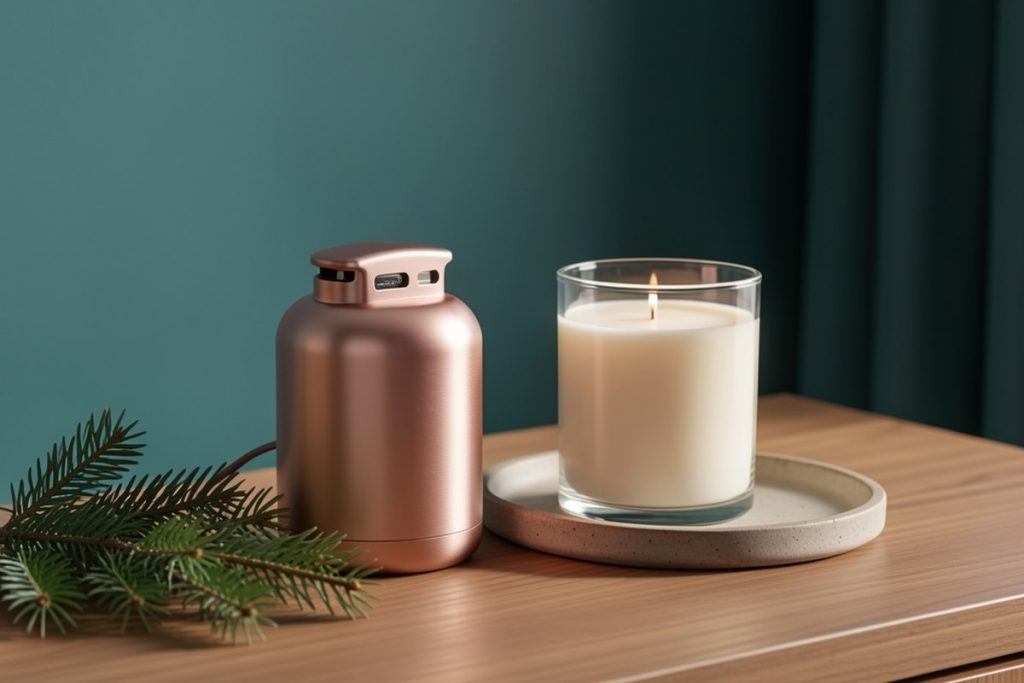
One feature-matched option is the FUKKUDA Electric Candle Lighter with Safety Switch – USB Rechargeable Windproof & Flameless Plasma Arc Lighter for Easter Basket Stuffers (Rose Gold).
Its listed design combines a safety switch, USB rechargeability, windproof positioning, and a flameless plasma arc in a rose-gold format. That makes it a reasonable candidate for someone who regularly lights candles and wants one reusable tool rather than a supply of disposable matches. The finish may also make it easier to keep visible in a home where appearance matters.
The balanced view is that the feature list does not answer every buying question. You still need to confirm whether its size suits your candle holders, whether you are comfortable keeping it charged, and whether the controls feel intuitive for everyone who may use it. Do not treat a product description as evidence that the lighter eliminates fire risk, works in every weather condition, or replaces proper candle supervision. Read the current instructions before use and inspect the lighter if it has been dropped or exposed to moisture.
Compare the main candle-lighting options
| Option | Best fit | Main tradeoff |
|---|---|---|
| Rechargeable arc lighter | Frequent indoor use, jar candles, and households avoiding disposable fuel | Requires charging and careful storage around water |
| Long-reach butane lighter | Deep containers or situations where a longer flame reach is useful | Uses fuel and has an exposed flame |
| Matches | Occasional use, emergency supplies, or very small candles | Single-use, easier to extinguish accidentally, and creates a flame close to the hand |
No option wins in every situation. An arc lighter is most compelling when you light candles regularly, want a reusable product, and can remember to charge it. Matches may be adequate for occasional use, while a long-reach butane lighter may be more practical for unusually deep vessels. The right choice is the one that fits your candle collection without encouraging rushed or careless lighting.
A practical buying checklist
- List the candle types you use most: jars, tapers, votives, lanterns, or outdoor containers.
- Check the lighter’s dimensions against the narrowest and deepest candle opening.
- Confirm that the charging cable and storage location will be convenient.
- Look for a safety switch or other deliberate activation step.
- Decide whether you need a rechargeable tool or prefer the simplicity of matches.
- Plan where the lighter will be stored away from children, pets, heat, and moisture.
- Read the instructions for charging, cleaning, and safe operation before lighting a candle.
Use any candle lighter with the same safety habits
The ignition method does not change the basic risks of a burning candle. Place the candle on a stable, heat-resistant surface away from curtains, paper, bedding, decorations, and other items that can burn. Keep the surrounding area clear before lighting. If a candle is in a movable holder, make sure it will not tip when approached with the lighter.
Never leave a burning candle unattended, and extinguish it before leaving the room or going to sleep. Keep candles and lighters away from children and pets. Do not carry a candle while it is burning, and avoid using a candle near drafts that could move the flame or heat nearby objects. If the lighter is rechargeable, keep it dry and stop using it if the casing, controls, or charging connection appears damaged.
Outdoor use deserves extra caution. A wind-resistant ignition feature does not make a candle safe on a breezy deck, near dry vegetation, or in a location where the holder can be knocked over. Use a stable vessel in a clear area, and follow any instructions supplied with both the candle and the lighter. Convenience is valuable only when it supports a calm, controlled routine.
Bottom line
For people who light jar candles often, a rechargeable electric arc lighter can be a sensible upgrade from disposable matches or fuel lighters. The strongest reasons to choose one are repeat use, a flameless arc, and a deliberate safety control—not the color or gift-oriented packaging. Compare its reach and charging needs with your actual candles, then keep the same careful habits you would use with any ignition source.
Last reviewed: 2026-08-14
Sources
- Candle Fire Safety — U.S. Consumer Product Safety Commission
- Candle Safety — National Candle Association