
By Dr. Priya Sharma, Evidence-Based Health Expert
Quick answer
A face massage brush may feel soothing and could temporarily improve the appearance of mild morning puffiness, but it cannot remove facial fat or permanently reduce a double chin. Use very light pressure on healthy skin, keep the tool clean, and stop if you feel pain or irritation. Persistent, sudden, or one-sided swelling deserves medical advice rather than self-massage.
Key takeaways
- Massage may offer a short-lived refreshed or less puffy appearance, but evidence for consumer facial brushes is limited.
- A brush cannot spot-reduce fat or permanently reshape the jawline.
- Gentle pressure matters; vigorous rubbing can irritate skin and, rarely, cause injury.
- Do not massage unexplained swelling, broken skin, active infection, or a recently treated area without professional guidance.
What a face massage brush can—and cannot—do
Facial puffiness is often temporary. It can be more noticeable after poor sleep, prolonged crying, allergies, a salty meal, alcohol, hormonal changes, or simply lying flat overnight. In these situations, a few minutes of gentle massage may make the skin feel more comfortable and help you look temporarily less swollen as normal fluid movement and upright activity resume.
That is very different from changing the underlying structure of the face. A brush cannot dissolve fat, tighten loose skin, remove a double chin, or permanently alter the jawline. Claims that imply a lasting contouring effect should be treated cautiously. Any visible change immediately after massage is more likely to be temporary than a true reduction in facial fat.
It is also important to distinguish a consumer brush from manual lymphatic drainage used in healthcare. For diagnosed lymphoedema, the NHS describes a broader treatment plan that can include specialist massage, exercise, compression, and skin care. A face brush is not a substitute for assessment or treatment by a qualified clinician or lymphoedema therapist.
When might gentle facial massage be reasonable?
If your goal is a calming morning ritual or a short-term reduction in the look of mild, symmetrical puffiness, a facial brush can be a practical tool. The benefit may come as much from taking a few quiet minutes, using light touch, and beginning the day upright as from the brush itself.
Keep expectations modest. Research on massage varies by technique, condition, and body area. The National Center for Complementary and Integrative Health notes that massage can provide short-term benefits for some types of pain, while evidence is not equally strong for every use. There is not good evidence that a particular consumer facial brush produces permanent contouring or reliably treats facial swelling.
For occasional puffiness, basic habits may be just as useful: sleep consistently, address seasonal allergies with appropriate advice, drink normally rather than forcing excessive water, and avoid rubbing irritated skin. If swelling repeatedly occurs after a new medicine or cosmetic product, review the possible trigger with a healthcare professional.
How to use a face massage brush safely
Use the tool as a gentle comfort measure, not a corrective treatment. A simple routine can take three to five minutes:
- Wash your face and clean the brush according to the manufacturer’s instructions. Do not share it.
- Apply a suitable moisturizer or other slip-producing product if needed. The brush should glide rather than drag.
- Use slow, feather-light strokes over the cheeks, temples, and jaw. Avoid pressing into the skin or repeatedly scrubbing one spot.
- Keep the session brief. Stop immediately if you notice pain, burning, increasing redness, bruising, dizziness, or worsening swelling.
- Rinse or wipe the brush as directed and let it dry fully before storing it.
There is no advantage to making the routine intense. “More pressure” does not mean “more lymphatic drainage,” and forceful rubbing can damage the skin barrier. Avoid using a brush over cuts, sunburn, cold sores, active rashes, inflamed acne, or areas that are hot and tender.
Who should check with a clinician first?
Speak with a healthcare professional before trying facial lymphatic massage if you have unexplained or persistent swelling, diagnosed lymphoedema, a history of cancer treatment affecting lymph nodes, recent facial surgery or injections, a bleeding disorder, or medicines that increase bleeding risk. You should also ask before massaging an area affected by an infection or a significant skin condition.
Seek prompt medical care for swelling that appears suddenly, affects one side, follows an injury, or occurs with trouble breathing, difficulty swallowing, severe pain, fever, hives, vision changes, weakness, or swelling of the lips or tongue. Those symptoms need evaluation; a brush should not delay it.
The NCCIH describes the overall risk of massage as generally low but reports rare serious complications, particularly with vigorous techniques or in people more vulnerable to injury. That is a useful reason to favor light touch and avoid aggressive “sculpting” routines.
Is a facial massage brush worth buying?
It may be worth considering if you enjoy tactile self-care, want a reusable tool for a short morning routine, and are comfortable with a possible temporary cosmetic effect. It is not a sensible purchase if the main expectation is permanent fat loss, a reduced double chin, or treatment for diagnosed swelling.
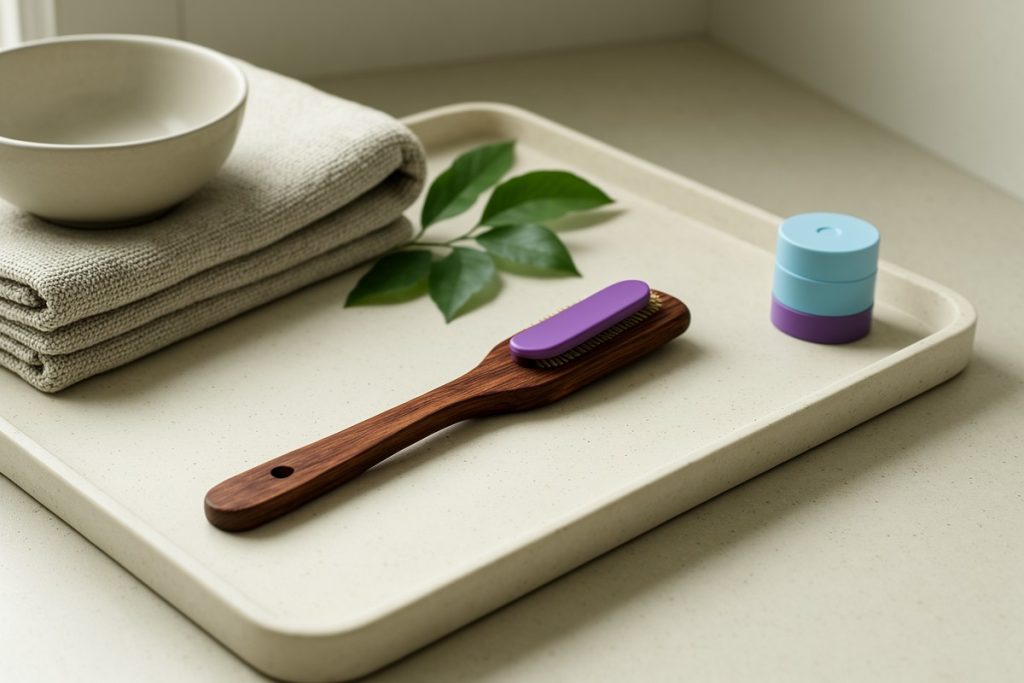
One available option is the Lymphatic Contour Face Brush Lymphatic Drainage Massager Double Chin Reducer Lymphatic Drainage Brush for Face. Its ergonomic design may make a consistent routine easier, but the product name is not proof that it reduces a double chin or treats lymphatic disease. Check the material, cleaning instructions, return terms, and whether the feel is comfortable for your skin. If it pulls, scratches, or causes irritation, it is not the right tool for you.
| Your situation | Most sensible next step |
|---|---|
| Mild puffiness after waking that fades during the day | Try gentle self-care and monitor the pattern. |
| Persistent, recurring, or one-sided facial swelling | Arrange a medical assessment before using massage. |
| Goal is a smaller double chin or permanent contour | Do not rely on a brush; discuss evidence-based options with a qualified professional. |
| Pain, heat, rash, broken skin, or sudden swelling | Skip massage and seek appropriate medical advice. |
A realistic bottom line
A face massage brush can fit into a relaxing wellness routine and may temporarily make mild morning puffiness look less noticeable. The evidence does not support treating it as a fat-loss, double-chin, or lymphatic-disease solution. The safest approach is gentle, brief, and hygienic, with clear attention to warning signs. If swelling is persistent or unusual, finding the cause matters more than buying another contouring tool.
Last reviewed: 2026-08-28
Sources
- Lymphoedema: Treatment — NHS guidance on specialist lymphatic drainage, exercise, compression, and skin care.
- Massage Therapy: What You Need To Know — National Center for Complementary and Integrative Health, NIH.