
Quick answer
The easiest ADHD-friendly fall decluttering method is to work in one small zone at a time, remove only clearly out-of-season items, and sort everything into keep, relocate, donate, or discard. Use a timer, visible containers, and simple decisions instead of aiming for a perfect home. Start with the entryway or bedroom, where seasonal clutter creates the most daily friction.
Key takeaways
- Choose one small, visible area instead of attempting a whole-home reset.
- Use a four-way sort: keep here, relocate, donate, and discard.
- Store fall and winter items where they are easy to see and reach.
- Pause sentimental decisions until the practical clutter is under control.
- Use a short timer and stop while the process still feels manageable.
Fall is a useful reset point because wardrobes, entryways, bedrooms, and kitchens all change function as the weather cools. Lightweight clothing moves out of daily rotation, heavier layers come forward, and items that seemed harmless in summer can suddenly create crowded drawers and overfilled hooks.
For women with ADHD, the problem is not a lack of caring or effort. A large organizing project can be difficult to start, remember, sequence, or finish. The National Institute of Mental Health notes that ADHD can affect attention, organization, and task management. That makes a smaller, visible, repeatable system more practical than an ambitious weekend makeover.
Start with the fall clutter that affects your routine
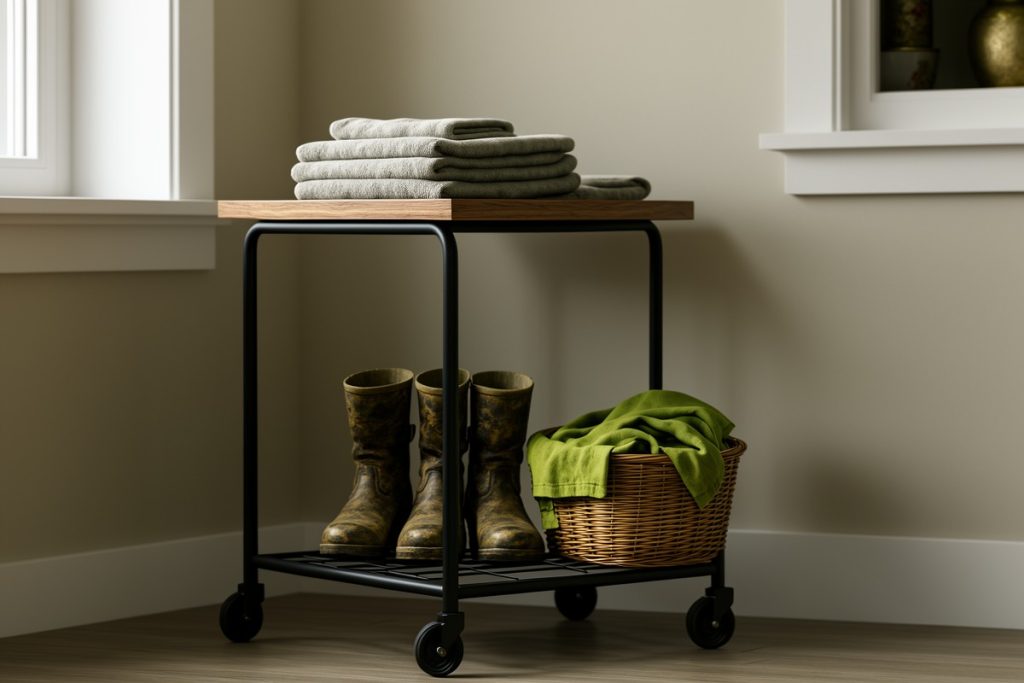
Do not begin by opening every closet. Begin with the place where seasonal clutter causes the most repeated annoyance. For many households, that is the entryway, the bedroom chair covered in clothes, or the bathroom cabinet holding summer and winter products together.
Ask one question: What area makes getting ready or leaving home harder this week? That answer gives you a useful starting point. If your coat rack is overloaded, start there. If you cannot find warm socks in the morning, start with one drawer. If the kitchen counter is crowded with summer entertaining supplies, clear only that surface.
Set a timer for 15 to 30 minutes. A time limit creates a clear finish line and prevents one small project from expanding into an exhausting house-wide commitment.
Use four simple categories instead of complicated organizing rules
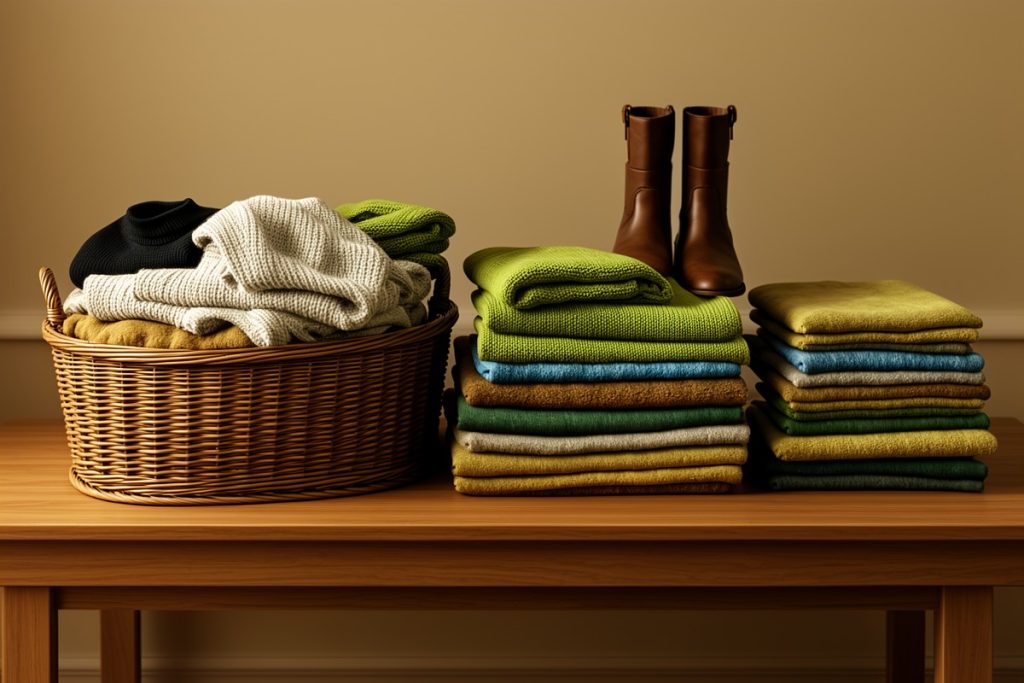
Place four bags, boxes, or open areas nearby and label them mentally or with objects rather than elaborate systems:
- Keep here: Items needed in this location during fall.
- Relocate: Items that belong elsewhere in the home.
- Donate: Useful items you no longer wear, use, or want to maintain.
- Discard: Broken, stained, unsafe, or unusable items.
Make decisions based on the item in front of you, not an imagined future version of yourself. A coat that fits, feels comfortable, and was worn last winter is easier to keep than one that needs repairs, does not fit, or has been avoided repeatedly.
Keep sentimental items out of the first pass. They require a different kind of attention and can quickly derail a practical reset. Put them in a temporary “decide later” box, then schedule a separate 15-minute review.
An ADHD-friendly fall decluttering checklist
| Area | Keep accessible | Move or release |
|---|---|---|
| Entryway | Daily shoes, current jackets, umbrella, and one practical bag | Outgrown footwear, duplicate bags, damaged accessories |
| Bedroom | Comfortable fall layers, sleepwear, and frequently worn shoes | Summer items you avoid, uncomfortable clothes, single socks |
| Kitchen | Soup bowls, mugs, baking tools, and everyday cookware | Duplicates, unused seasonal gadgets, chipped dishes |
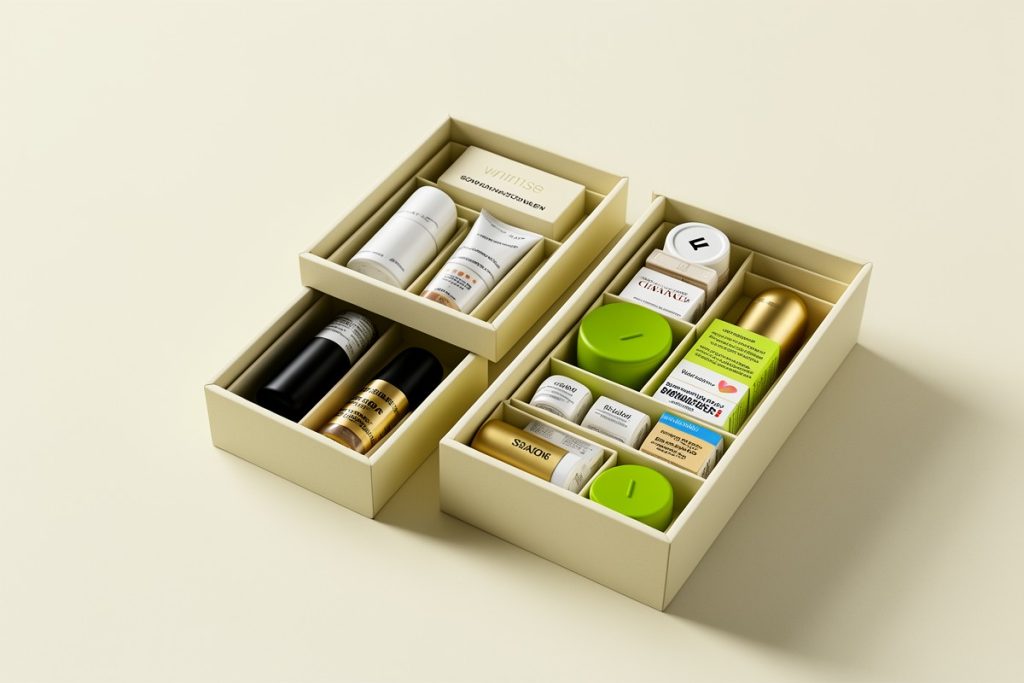
| Bathroom | Current skincare, toiletries, and cold-weather essentials | Expired products, empty containers, items that irritate your skin |
Work from left to right, top to bottom, or floor to ceiling. A consistent direction reduces the number of decisions you need to make about where to resume. If you stop before finishing, leave the remaining items together in one clearly visible container rather than scattering them across the room.
Store seasonal items for easy retrieval, not maximum capacity
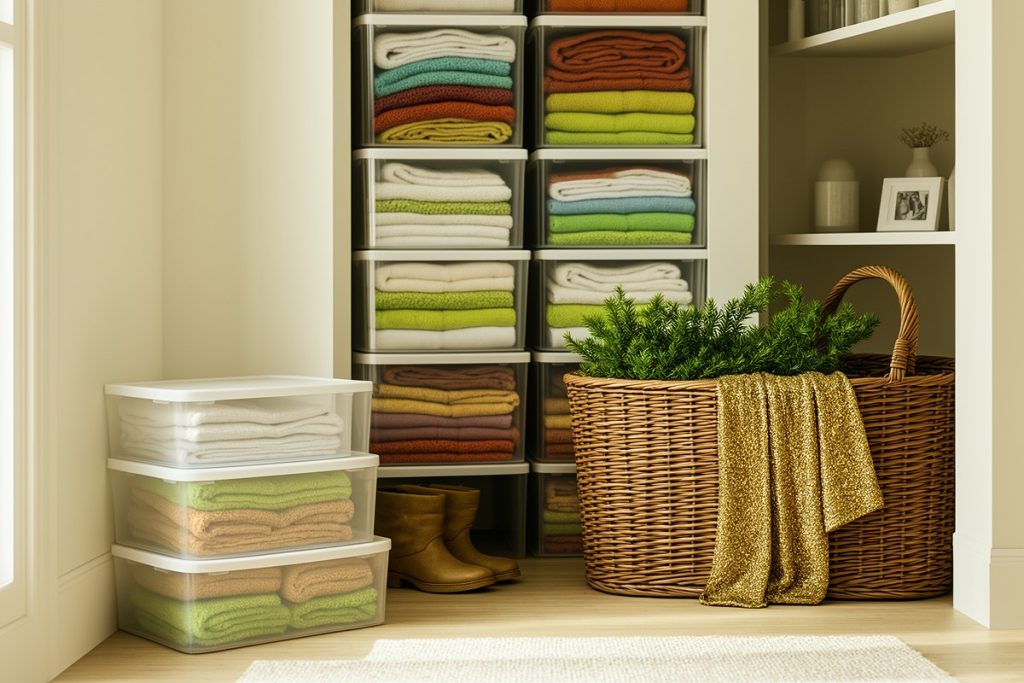
Storage is successful when you can find and return things without creating another project. Use containers that match the item and your habits. Open baskets work well for frequently used scarves or blankets. Clear bins can help with less frequently used accessories because the contents remain visible. A sturdy lidded container is useful for items that need protection from dust, provided it is not so heavy or awkward that you will avoid putting it away.
Before storing textiles, make sure they are clean and completely dry. Moisture can contribute to mold growth, so avoid sealing damp clothing, shoes, or blankets in airtight containers. Store bins in a dry location and leave enough space to remove one without unpacking everything around it.
Do not create a category for every possible item. “Cold-weather accessories” is usually more useful than separate bins for gloves, hats, scarves, and earmuffs if those groups are small. The best system is the one you can understand when you are tired or in a hurry.
Finish the reset with a five-minute return plan
Decluttering often fails at the final step: the items that need to leave the room remain in a hallway or on the stairs. Reserve the last five minutes for completion.
- Put relocated items in their actual homes, not a temporary holding area.
- Place donation items directly beside the door or in the car.
- Take discard items to the appropriate bin or disposal point.
- Photograph or note any repair that must happen later, then move the item out of the active area.
- Leave one open, useful space visible so the result is immediately noticeable.
If you cannot complete every step, prioritize removing trash and returning items that belong elsewhere. A partially finished reset can still reduce visual and practical friction.
When an organizing guide could help
Some readers will prefer a dedicated framework rather than assembling a routine from separate tips. The ADHD Organizing Blueprint: The ADHD Woman’s No-Guilt Guide to Decluttering, Organizing & Finally Feeling in Control (ADHD Women Thrive Book 1) may be worth considering as an optional companion if you want an ADHD-specific organizing resource.
It should not be treated as a clinical treatment or a guarantee of a particular result. Its value will depend on whether its approach suits your needs, budget, reading preferences, and available time. You can also use the four-category method above without buying anything.
Make the next seasonal reset easier
When the fall reset is complete, create one small maintenance cue. Put a donation bag near the entryway, keep a basket for items that need relocation, or add a recurring calendar reminder for a 15-minute review near the start of winter.
The goal is not to keep your home perfectly organized. It is to make seasonal changes visible, reduce daily searching, and give each item a simple place to go. A smaller system that you can repeat will usually serve you better than a perfect system that requires a burst of motivation.
Last reviewed: 2026-09-11
Sources
- Attention-Deficit/Hyperactivity Disorder (ADHD) — National Institute of Mental Health.
- About ADHD — Centers for Disease Control and Prevention.
- A Brief Guide to Mold, Moisture and Your Home — U.S. Environmental Protection Agency.