
Quick answer
Choose a coworking space by testing the conditions that determine whether you can finish work: dependable internet, nearby power, manageable noise, comfortable seating, call privacy, opening hours, and total commute time. Visit before committing, run a short work simulation, and keep a backup location nearby. A beautiful space is only useful if it supports your actual working day.
Key takeaways
- Separate non-negotiable work requirements from attractive but optional amenities.
- Visit during your normal working hours and test Wi-Fi, power, noise, seating, and call privacy.
- Choose different venues for calls, deep work, and short administrative sessions when necessary.
- Review a space after three visits instead of committing because it looks good online.
Start with your real workday
The best coworking space for a digital nomad is not necessarily the most stylish, central, or popular. It is the place that removes friction from the work you actually need to do.
Start by listing your non-negotiables. A consultant with frequent video calls may need private booths, dependable upload speeds, and early access. A writer may care more about quiet, daylight, and a comfortable chair. Someone working across time zones may need evening availability, while a freelancer meeting local clients may prioritize a professional address and easy transport.
Separate requirements from preferences. Requirements might include power near your desk, secure access, reliable connectivity, and a place to take confidential calls. Preferences could include free coffee, rooftop views, attractive furniture, or networking events. This distinction stops a photogenic lounge from winning over a space that actually helps you work.
Include commute time in the calculation. A cheaper day pass can be a poor bargain if it adds 90 minutes of travel every day. Search within the area you can comfortably reach on foot or by public transport, then confirm current opening hours directly with the venue.
Run a 20-minute trial before paying
Do not buy a monthly membership after a five-minute tour. Ask about a day pass, trial visit, or short drop-in, then use the visit as a miniature version of your normal workday.
- Test the connection. Ask how guests access Wi-Fi and whether there is a separate member network. Try the tools you rely on, such as a test call or a small file upload. A single speed-test result cannot tell you how the network behaves when the space is busy.
- Map the power. Check the desks you would realistically use, not only the table beside reception. Confirm that an outlet is close enough for your charger and that cables will not create a trip hazard.
- Listen at working time. A quiet room early in the morning may become noisy at midday. Notice kitchen sounds, music, phone calls, meeting-room traffic, construction, and doors opening nearby.
- Test the call plan. Find out whether booths require reservations, how long bookings last, and what happens when every booth is occupied. If you handle sensitive conversations, ask whether the room has a door and whether voices carry.
- Sit for ten minutes. Check seat support, desk height, glare, surface space, and whether you can work without hunching. Repeated discomfort is a practical sign that the space is not suitable for long sessions.
Match the venue to the type of work
| Space type | Best use | Check first |
|---|---|---|
| Dedicated coworking desk | Stable routines and frequent calls | Access hours, membership terms, and desk availability |
| Flexible hot desk | Short stays and changing locations | Peak-time crowding and nearby outlets |
| Library or study room | Quiet, concentrated writing | Call restrictions, Wi-Fi rules, and hours |
| Café | Short, low-commitment work blocks | Seating, noise, purchase expectations, and power |
| Hotel lounge | A transitional workday between travel plans | Privacy and whether long stays are welcome |
You do not need one perfect venue for every task. A coworking space may be ideal for meetings, a library may be better for deep work, and a café may suit a two-hour administrative session. Giving each location a clear job can be more reliable than forcing every kind of work into one setting.
Create a portable arrival routine
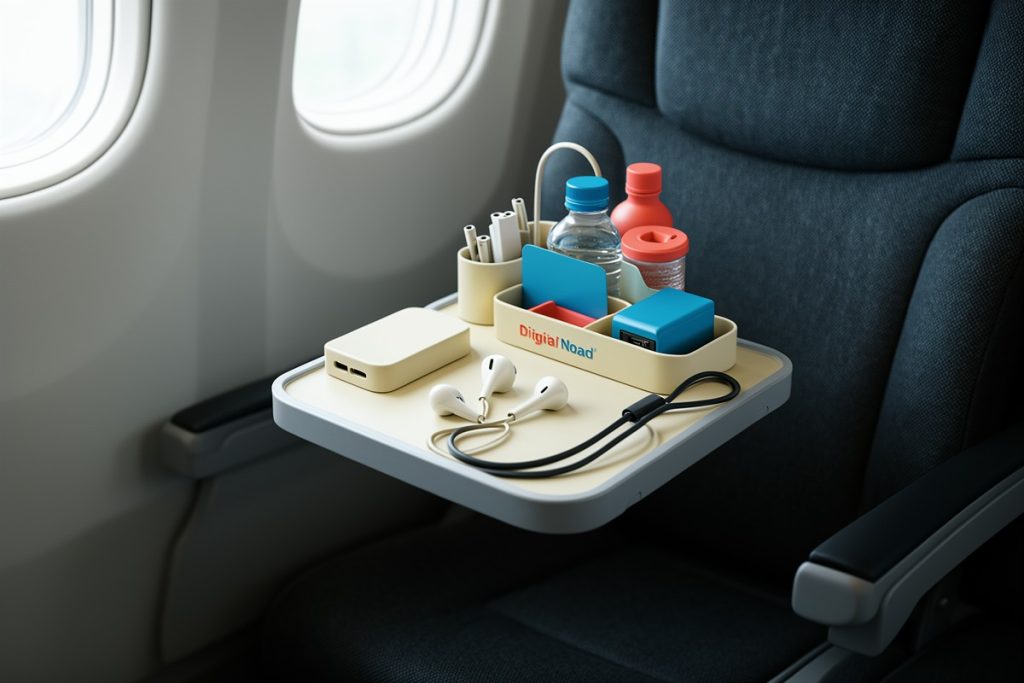
A small setup routine makes unfamiliar spaces easier to use. When you arrive, choose a seat away from the main traffic path, identify the nearest restroom and exit, connect to the approved network, and place only the accessories needed for that work block on the desk. Keeping the surface clear makes it easier to pack up and move if the environment changes.
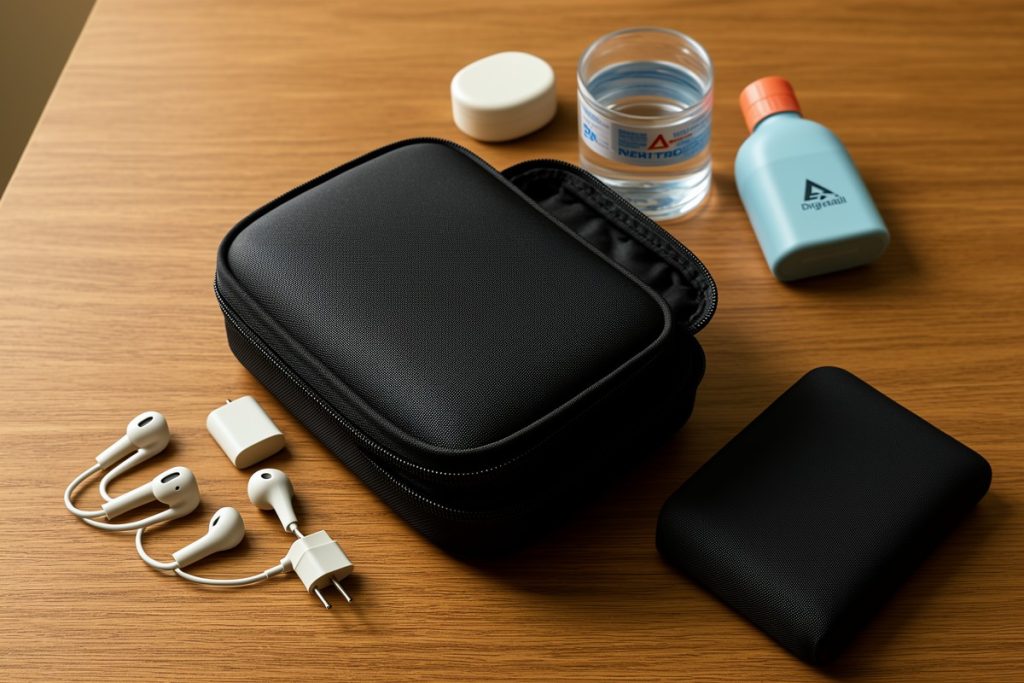
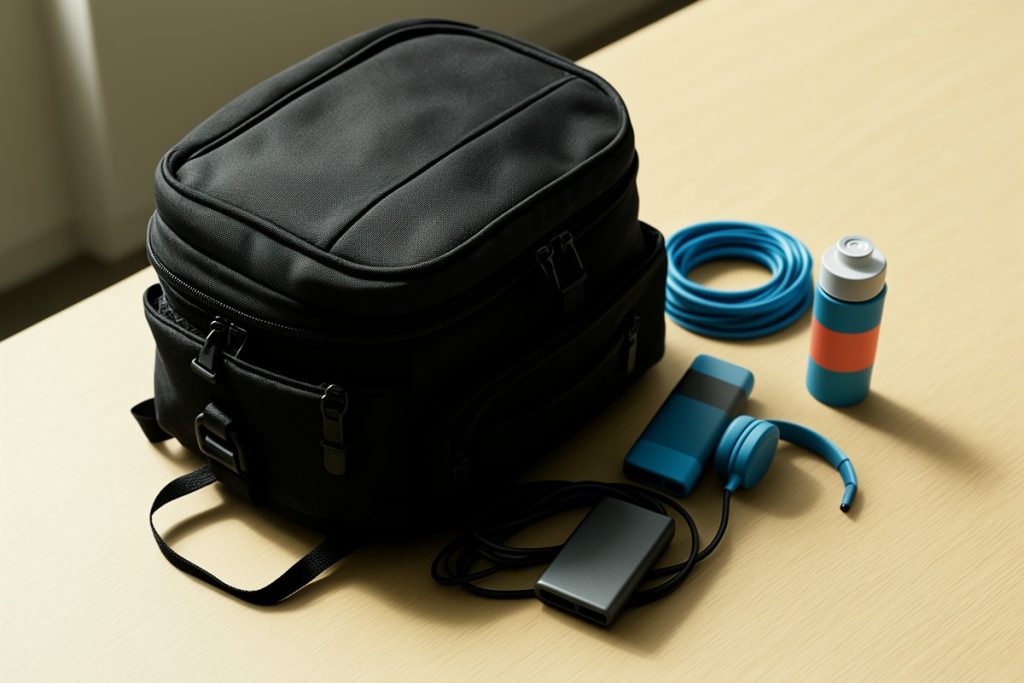
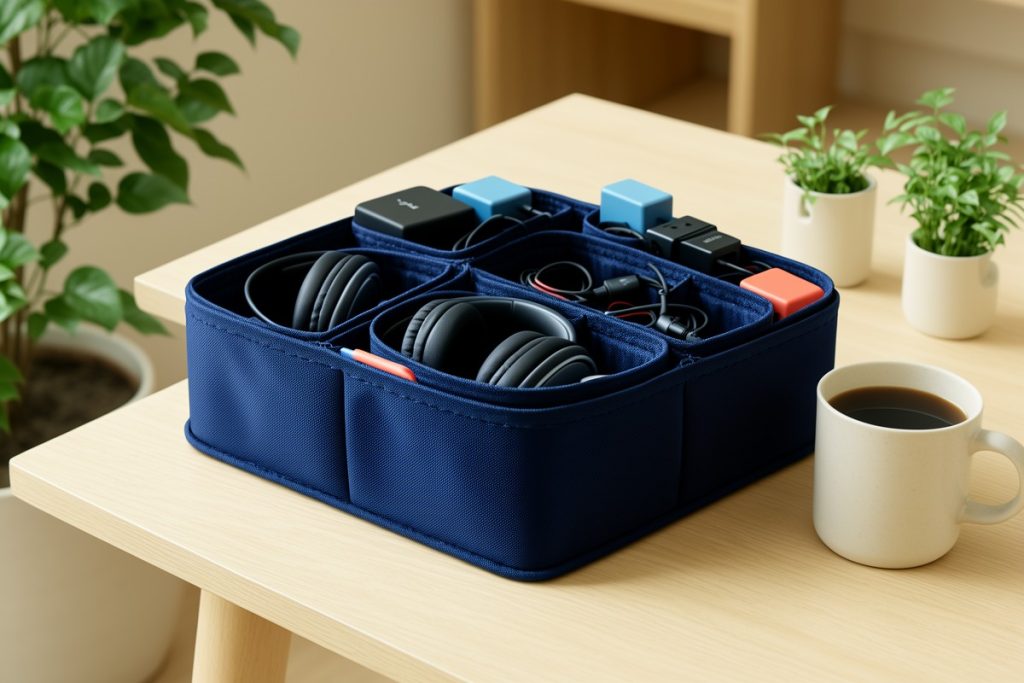
A Patu Roll Up Electronics Accessories Travel Gear Organizer Case may help keep small accessories together when you move between coworking spaces, cafés, and accommodation. Its value depends on what you carry and whether the compartments fit your equipment, so check the dimensions before buying. Treat it as an organizer, not as a substitute for a padded laptop sleeve or protective case.
At the end of the session, sign out of shared accounts, collect personal items, check under the desk, and note whether the venue met your needs. A short record such as “good for calls” or “too noisy after lunch” will make future decisions faster.
Protect your privacy on shared networks
Shared workspaces require both digital and physical caution. The Federal Trade Commission’s guidance on public Wi-Fi recommends taking care with information sent over public networks and checking that websites use encryption. Use your employer’s approved VPN or secure access method, keep your operating system and browser updated, and avoid saving passwords on shared computers.
Never leave a laptop unattended simply because your seat is reserved. Angle your display away from passing traffic, use headphones when appropriate, and avoid discussing confidential information in an open room. If a client call requires genuine privacy and the venue cannot provide it, move elsewhere or reschedule.
Physical comfort matters as well. The Occupational Safety and Health Administration’s computer workstation guidance covers positioning the monitor, keyboard, chair, and work surface to support a more neutral posture. You do not need a perfect ergonomic setup for a brief session, but recurring pain or strain is evidence that the space is a poor long-term fit.
Use a simple decision rule
Review the space after three visits. Ask four questions: Did I complete my priority work? Could I take calls without stress? Was the commute worth the time? Would I return at the actual cost?
If the answer is no twice, test another option. Do not keep paying because the venue feels familiar or looks impressive in photographs. A coworking space should earn its place by helping you produce good work consistently.
The goal is not to find the most photogenic workspace in a city. It is to build a portable routine that survives new neighborhoods, different time zones, and imperfect travel days. Test before committing, choose venues according to the work they support, and keep your setup simple enough to reset anywhere.
Last reviewed: 2026-10-02