
Quick answer
As of 2026, the EU’s common-charger rules require USB-C charging ports on a wider range of electronics sold in the EU, including laptops from April 28, 2026. The change simplifies cable compatibility and lets buyers choose devices without an included charger, but it does not make every USB-C charger equally fast, powerful, or suitable for every device.
Key takeaways
- USB-C is now required for covered devices sold in the EU, with laptops joining the rules in April 2026.
- A shared connector does not guarantee identical charging speed or power delivery.
- Buyers should match charger wattage, cable capability, and device requirements.
- The rules concern interoperability and charging equipment, not a blanket guarantee of battery longevity.
- Automatic-disconnect accessories may be useful for some setups, but they are optional and require compatibility checks.
Last reviewed: 2026-09-28
What the EU common-charger rule actually requires
The common-charger policy is an EU measure designed to reduce charging fragmentation and electronic waste. It amends the Radio Equipment Directive and applies to specified categories of radio equipment that use wired charging. Covered products include mobile phones, tablets, digital cameras, headphones, headsets, handheld game consoles, portable speakers, e-readers, keyboards, mice, portable navigation devices, and earbuds.
The central requirement is a USB Type-C charging receptacle. Manufacturers must also support harmonized charging requirements so that compatible devices and charging equipment work together more predictably. The rules do not mean that every electronic product in Europe must use USB-C. The requirement applies to the categories and conditions defined in the legislation.
The first major compliance deadline was December 28, 2024, for most covered handheld devices. Laptops have a later deadline: April 28, 2026. That means a laptop placed on the EU market after that date must meet the applicable USB-C charging requirements, subject to the details and scope in the directive.
What changes for shoppers in 2026
For consumers, the most visible change is less dependence on device-specific charging connectors. A traveler carrying one good USB-C setup may be able to charge a phone, tablet, headphones, and laptop without packing several proprietary cables or power bricks.
The directive also separates the purchase of a device from the purchase of a charger. Consumers can choose equipment without an additional charger when that option is offered. This may reduce duplicate accessories for people who already own suitable charging equipment, while first-time buyers may still need to purchase a charger separately.
There is an important limit: USB-C describes the connector shape, not the complete charging experience. Two USB-C chargers can differ substantially in maximum power, supported charging protocols, port count, heat management, and build quality. A cable can also limit performance if it is not rated for the power or data requirements of the setup.
USB-C does not mean every charger is interchangeable
| What is shared | What can still differ |
|---|---|
| Physical USB-C connector | Charging speed and maximum wattage |
| More consistent charging standards | Supported power-delivery profiles |
| One cable type for many devices | Cable rating, length, and durability |
| Optional charger-free purchases | Whether your existing charger is adequate |
A device normally draws only the power it is designed to accept, rather than automatically taking the charger’s maximum advertised output. Even so, the charger and cable must support the device’s needs. A low-power phone charger may charge a laptop slowly, fail to maintain its battery while the laptop is under heavy use, or not charge it at all.
Before replacing a charger, check the device manufacturer’s requirements. Look for the required wattage, USB Power Delivery support where applicable, the number of ports you need, and whether the cable is included. For travel, also consider plug compatibility and whether the charger can power multiple devices at once without dropping below the required output.
Where overcharge-protection accessories fit
The common-charger rules are not a recommendation to leave every device connected indefinitely, nor do they establish that one accessory will extend battery life. They focus on connector and charging interoperability. Battery-management behavior remains a matter of device design, charger design, and user settings.
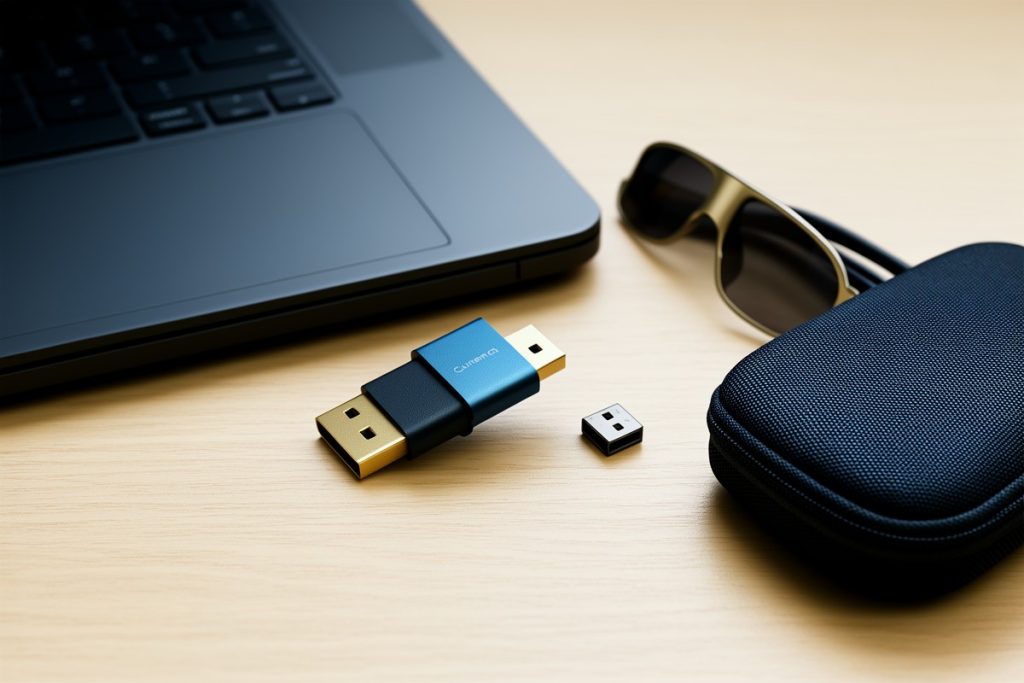
Some buyers may still want an accessory that physically disconnects a device after charging. One example is the 2PCS Innovative Overcharge Protection Adapter, whose listing describes automatic physical disconnection and a 140W Type-C format. It could be worth considering for a compatible USB-C setup where that specific behavior is useful, but the listing alone does not establish compatibility with every phone, laptop, cable, or charging protocol. I have not independently tested the product, so buyers should verify device support, power requirements, return terms, and safety information before purchase.
This kind of adapter should not be treated as a substitute for a compliant charger, a suitable cable, or the device maker’s charging controls. It also should not be assumed to make an incompatible or poorly rated charging setup safe. The practical question is whether the adapter’s stated function solves a real problem in your particular arrangement.
A practical USB-C buying checklist
- Identify the device: Confirm that it uses USB-C for charging, not merely for data or accessories.
- Check required power: Compare the device’s recommended wattage with the charger’s supported output.
- Review cable specifications: Use a cable rated for the intended power level and length.
- Confirm protocol support: Look for the charging standard required by the device, especially for laptops and fast charging.
- Decide whether you need a charger: A charger-free device purchase saves duplication only if your existing equipment is adequate.
- Assess add-ons separately: For disconnect adapters or hubs, verify physical fit, maximum power, and compatibility before relying on them.
What the rule means beyond the connector
The policy’s broader goal is to make charging equipment more reusable. If more devices share a connector and buyers can decline an extra charger, households may accumulate fewer redundant power supplies over time. That benefit depends on chargers remaining useful across several generations of devices and on consumers replacing accessories only when they are needed.
There is also a trade-off. A single connector can make everyday charging simpler while leaving technical differences hidden from casual buyers. A USB-C label does not tell you whether a charger can power a high-performance laptop, run several devices simultaneously, or support the fastest charging mode available to a particular phone.
The sensible response is neither to replace every charger immediately nor to assume every existing USB-C accessory will work equally well. Keep equipment that is safe and suitable, replace weak or damaged cables, and match new purchases to the power requirements of the devices you actually use. The EU rule makes the physical connection more consistent; it does not remove the need to check the details.
Sources
- Directive (EU) 2022/2380 on the common charger — European Union legal text covering USB-C requirements, charging harmonization, and implementation dates.
- Common charger: EU institutions reach agreement — European Commission announcement explaining the policy’s consumer and electronic-waste objectives.