By Milo Zhang, Event-Impact Interpreter
Last reviewed: 2026-10-05
Quick answer
You can often record what happens in a public event, but a crowd is not blanket permission to capture every conversation or person. Check venue rules, avoid private or sensitive areas, be cautious with audio, and ask before recording someone closely. State consent laws differ, so treat camera glasses as a visible recording tool—not a license to record unnoticed.
Key takeaways
- Public attendance does not automatically make every conversation fair game to record.
- Wide shots of an event are generally less intrusive than close recording of a private exchange.
- Venue policies can restrict recording even when local law permits it.
- Camera glasses create extra consent concerns because people may not know when recording is active.
- A backup battery can prevent a dead device, but it cannot solve privacy, consent, or access problems.
Public events are not a free pass to record everything
A concert, rally, conference, parade, sports match, or product launch may take place in a public-facing environment. That usually means people should expect some photography and video. It does not mean every person has agreed to have a close conversation, emotional moment, or private exchange recorded and shared.
The practical distinction is context. A wide view of a stage or a moving crowd is different from standing beside one attendee and capturing an identifiable conversation. Recording a speaker addressing the entire audience is different from recording a volunteer’s off-duty discussion behind a restricted area.
There is also a difference between recording and publishing. A clip made for personal reference may create fewer concerns than footage uploaded with a person’s name, location, or sensitive circumstances attached. Before sharing, ask whether the recording adds useful public context or simply exposes someone who did not reasonably expect to become part of the story.
Audio is often the harder legal and ethical issue
People tend to focus on the camera in camera glasses, but the microphone may create greater risk. Consent rules for conversations vary by state. Some jurisdictions focus on whether one participant consented; others impose stricter requirements when a conversation is confidential. The Reporters Committee for Freedom of the Press maintains a state-by-state guide because there is no single rule that works everywhere.
California provides one important example: Penal Code Section 632 generally restricts recording a confidential communication without the consent of all parties. Whether a conversation is confidential depends on the circumstances, so the fact that people are standing in a public venue does not automatically answer the question.
For ordinary event coverage, the safest approach is to minimize unintended audio. If the device allows it, use settings that reduce or disable audio capture when sound is not necessary. Do not move close to a private conversation merely to obtain a clearer recording. When in doubt, ask directly and explain what you intend to capture and where it may appear.
A quick recording checklist before you enter
- Read the venue policy: Check the ticket terms, event website, posted rules, and staff instructions.
- Identify sensitive zones: Avoid restrooms, changing areas, medical stations, backstage spaces, staff rooms, and private meetings.
- Choose a wide angle: Capture the event or performance rather than singling out nearby attendees.
- Control audio: Use the least intrusive setting that still serves your purpose.
- Ask for close recording: Get clear permission before filming an interview, personal story, child, or emotionally vulnerable moment.
- Review before posting: Remove unnecessary faces, names, conversations, badges, or location details.
Why camera glasses require extra care
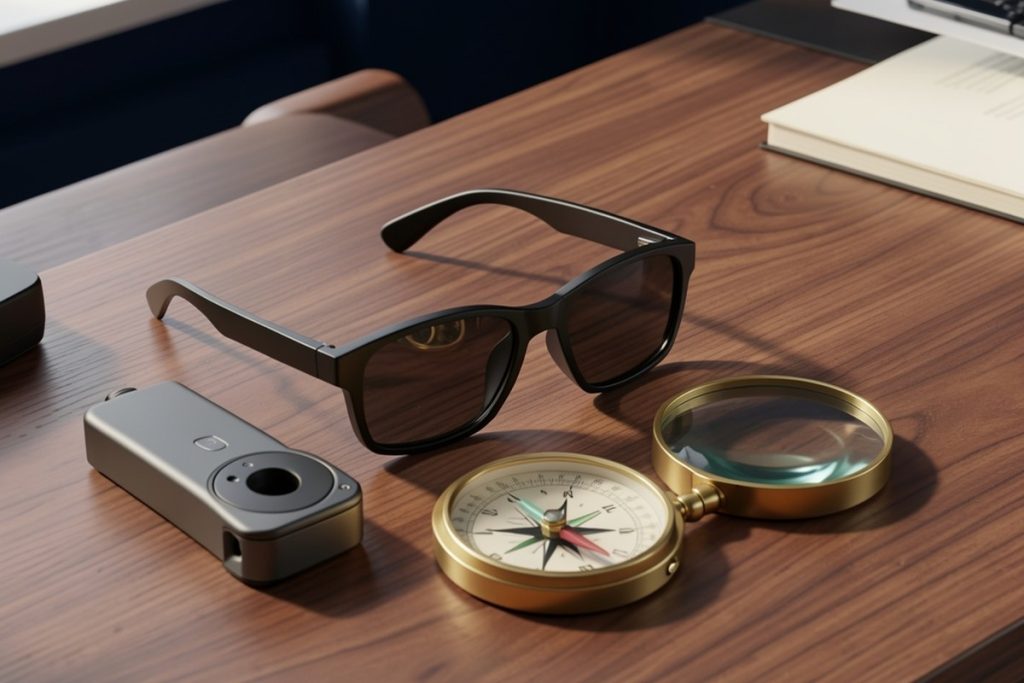
Traditional phone recording is often obvious: a person raises a device, points it at a subject, and may explain what they are doing. Camera glasses can make the same action less visible. Even if a model has an indicator or other recording signal, people nearby may not notice it in a busy venue.
That visibility gap changes the social standard. If someone asks whether you are recording, answer plainly. Do not use the glasses to capture a private reaction, a medical incident, or a conversation that you would not record openly with a phone. Never rely on the assumption that “they did not object” means “they consented,” particularly when the person could not reasonably tell that recording was happening.
Be especially careful around children and people experiencing distress. A striking moment at a public event can become invasive once detached from its original setting. If the public value is real, consider recording the broader event, asking an organizer for an official statement, or obtaining permission before using an individual’s image or voice.
Can a backup charger make event recording more practical?
Battery failure is a legitimate logistical problem during a long conference, travel day, protest, festival, or breaking event. Losing power can mean missing a scheduled interview or being unable to contact someone afterward. But extra battery capacity should be treated as a convenience, not a reason to record more aggressively or for longer than necessary.
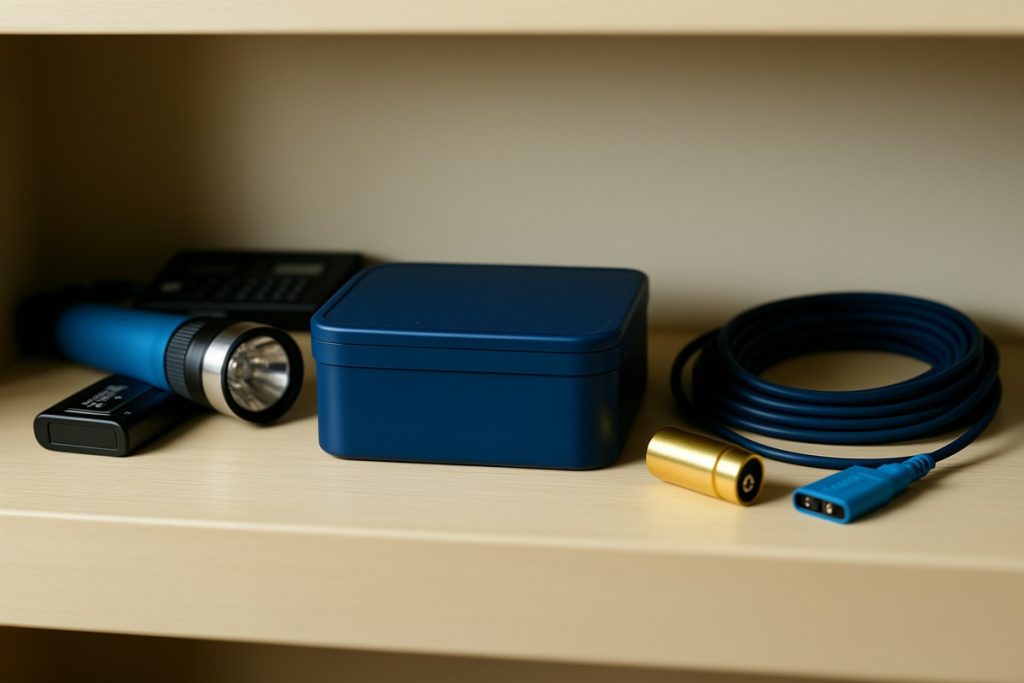
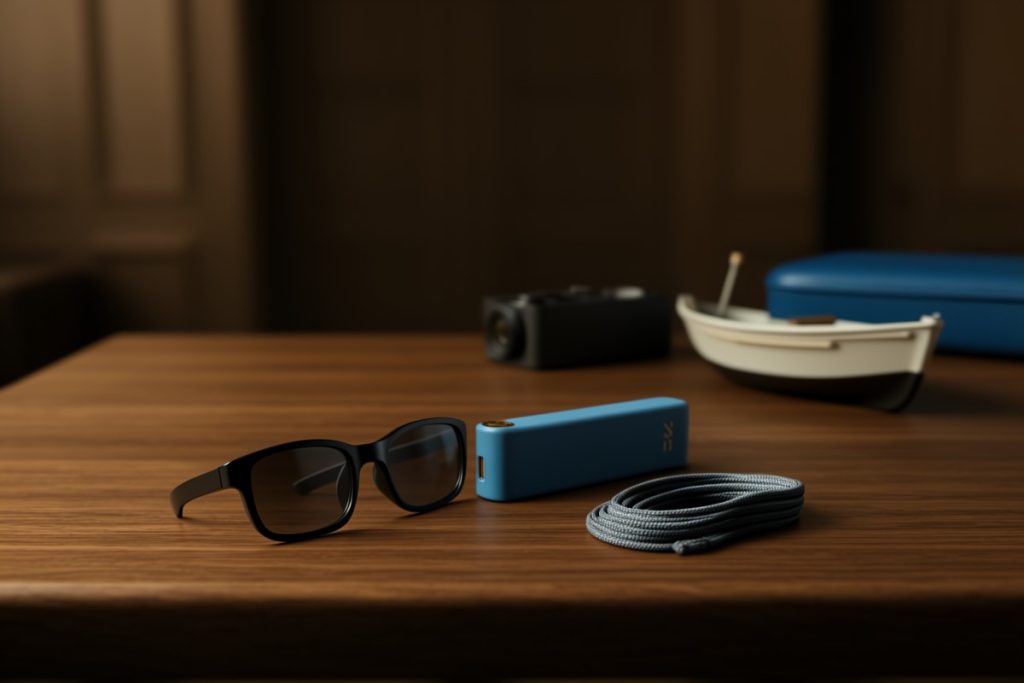
The listed 370mAh clip-on backup power pack is described as a 16g wearable charger for Meta Ray-Ban display glasses, with USB-C recharging. That makes it a potentially useful accessory for someone who already has compatible glasses and wants a lightweight backup while traveling or attending an event. The listing alone does not establish a specific runtime, charging speed, fit across every model, or permission to record at a venue.
Before relying on any accessory, confirm the connector, physical attachment method, and compatibility with your exact glasses. Charge it before leaving, carry a conventional phone power option if communication matters, and remember that a working device still requires judgment about consent, privacy, and publication.
What to do if someone objects
Stop recording the person and respond calmly. Do not argue that the event is public or that the camera is allowed. Ask what specifically concerns them: the recording itself, the audio, publication, or the presence of a child or private detail. If the clip is not essential, delete it. If it contains important public information, move away, remove identifying details where possible, and seek guidance before publishing.
If venue staff tell you to stop, follow the venue’s instructions unless you have a clear, lawful reason to challenge them. A ticket can create contractual obligations beyond general recording law. For journalists, organizers, or anyone documenting a sensitive event, written permission and a clear editorial purpose are usually more valuable than trying to exploit an uncertain technical loophole.
The simplest standard: record openly, publish carefully
Camera glasses can be useful for hands-free documentation, but responsible use depends less on the hardware than on the situation. Record the public activity rather than private people, keep audio proportional to the purpose, follow venue rules, and ask before making someone the subject of the footage. Then review the material with the same care you would apply to any sensitive current-events recording.
If you would feel uncomfortable explaining the recording to the person standing beside you, that is a strong sign to change the angle, ask permission, or leave the moment undocumented.