
Quick answer
Lavender aroma may help some people relax before bed, but it is not a proven treatment for chronic insomnia. If you want to try it, use a diffuser briefly and according to its instructions, keep the scent mild, and pair it with a consistent sleep routine. Never swallow essential oil or apply it undiluted to skin.
Key takeaways
- Lavender may support relaxation, but research does not establish it as a reliable insomnia treatment.
- Use the lowest recommended amount in a well-ventilated room and avoid running a diffuser unattended.
- Do not ingest essential oil or assume “natural” means risk-free.
- Persistent insomnia, loud snoring, gasping, or severe daytime sleepiness deserves medical evaluation.
What lavender oil can realistically do for sleep
Lavender essential oil is a concentrated aromatic extract. When diffused, its scent may become part of a calming bedtime ritual. Some studies have reported improvements in perceived relaxation or sleep quality, but research varies widely in the type of lavender used, the amount, the delivery method, and the people studied. That makes sweeping promises difficult to support.
The practical distinction matters: lavender may help make bedtime feel calmer, but it should not be described as a cure for insomnia, anxiety, sleep apnea, pain, or medication side effects. For chronic insomnia, behavioral treatment—especially cognitive behavioral therapy for insomnia, or CBT-I—has stronger clinical support than relying on fragrance alone.
Think of lavender as an optional cue that signals “the day is ending.” It works best when attached to habits that already support sleep, such as dimmer lighting, a regular wake time, and less stimulating activity before bed.
How to use a diffuser as part of a bedtime routine
A short, predictable routine is more useful than creating an overpowering scent. Follow the diffuser and oil instructions rather than guessing how many drops to add. More oil creates a stronger exposure, not necessarily better relaxation.
- About 20 to 30 minutes before bed, dim the lights and put stimulating tasks aside. If your phone is needed for an alarm, enable do-not-disturb and place it out of reach.
- Add water and lavender oil according to the device’s instructions. Place the diffuser on a stable, dry surface away from bedding, heaters, candles, and other heat sources.
- Use the time for a quiet activity, such as reading a print book, gentle stretching, or slow breathing. Keep the room comfortably ventilated.
- Turn the diffuser off before sleeping unless the manufacturer specifically permits longer operation and the setup is designed for it. Avoid leaving any appliance running unattended.
- Repeat the same routine for several nights and note whether you fall asleep more easily and feel more rested the next morning.
A faint, tolerable aroma is enough. Stop using the oil and air out the room if you develop a headache, cough, nausea, throat irritation, rash, or breathing discomfort. People with asthma, fragrance-triggered migraine, or known scent sensitivity may prefer an unscented wind-down routine.
How to choose a lavender oil responsibly
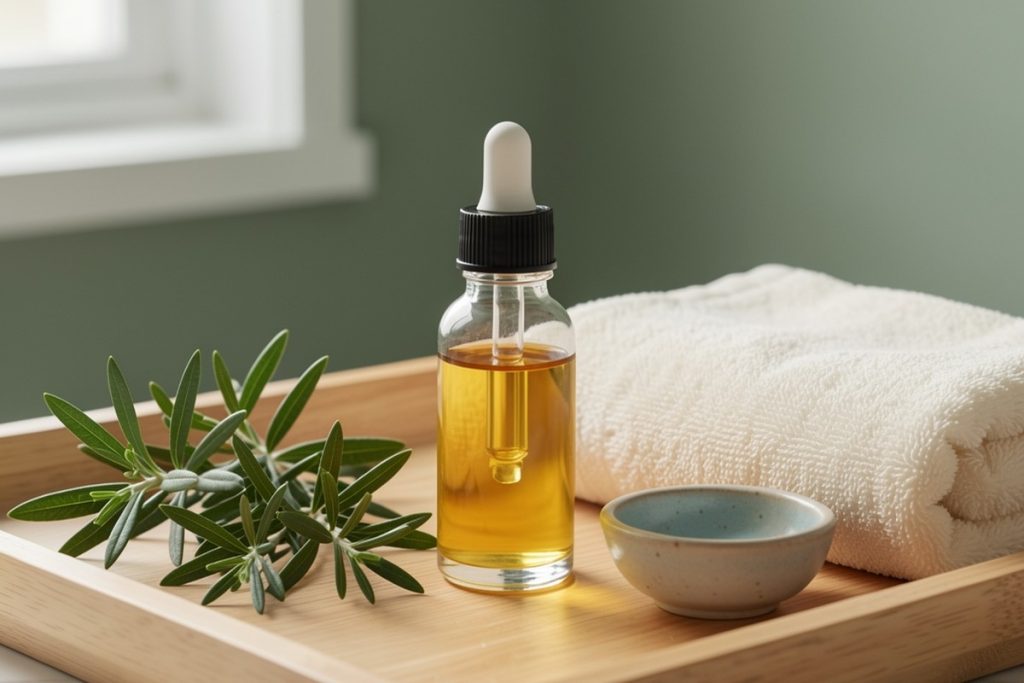
Read the bottle and diffuser directions before using an essential oil. Look for clear ingredient information, intended-use guidance, storage instructions, and warnings. A product described as natural is still a concentrated substance and can cause problems if misused.
If you want a lavender option marketed for diffuser use, Majestic Pure Lavender Essential Oil for Diffuser – 4 Fl Oz is one product to consider. Its product description does not establish that it will improve sleep, so evaluate it as a scent choice rather than a medical treatment. Check the current label for directions and warnings, and begin with the lowest recommended amount.
Never swallow essential oil, add it to food or drinks, or apply it directly to your skin. Diffuser use does not automatically make an oil suitable for topical use. Keep the bottle and diffuser fluid away from children and animals, avoid contact with the eyes, and store the bottle closed in a cool place. If you are pregnant, take regular medicines, or have a respiratory condition, ask a pharmacist or clinician before using concentrated aromatic products.
Quick safety checklist
- Use only the amount recommended by the diffuser or oil instructions.
- Keep the diffuser on a stable surface away from heat and water-sensitive materials.
- Choose a short session instead of assuming it should run all night.
- Ventilate the room and stop immediately if irritation occurs.
- Store essential oil securely and never ingest it.
When lavender is not enough
A few restless nights are common, but ongoing sleep trouble deserves more than another scent. Keep a simple sleep diary for one to two weeks, recording your bedtime, wake time, awakenings, naps, caffeine, alcohol, and daytime alertness. This can reveal patterns and give a clinician useful information.
Seek professional advice if sleep problems affect driving, work, mood, or safety; if you snore loudly or wake gasping; or if you experience persistent pain, uncomfortable leg sensations, or symptoms of depression or anxiety. Severe daytime sleepiness should not be masked with a relaxing fragrance. A clinician can assess possible sleep apnea, medication effects, circadian rhythm problems, and other treatable causes.
For long-lasting insomnia, ask about CBT-I rather than relying on supplements, oils, or increasingly elaborate bedtime routines. The right treatment depends on why sleep is disrupted.
A practical way to test whether it helps
Try lavender for a limited period while keeping the rest of your schedule steady. Compare several nights with the scent and several nights without it, changing as few other habits as possible. Track how long it seems to take you to fall asleep, how often you wake, and how rested you feel.
If the aroma makes bedtime calmer and causes no irritation, it may earn a place in your routine. If you notice no clear benefit, stop using it. Effective sleep support should not depend on forcing yourself to like a product or accepting discomfort as evidence that it is working.
Last reviewed: 2026-11-20