
Quick answer
Choose wireless noise-canceling headphones if you want fewer distractions, freedom from cables, and one headset for commuting and work calls. Choose wired headphones if you prioritize simplicity, no charging, or predictable compatibility. The best decision depends less on brand reputation than on your daily environment, call habits, device connections, comfort needs, and willingness to manage battery life.
Key takeaways
- Wireless noise cancellation is most useful around steady background noise, such as engines, HVAC systems, and busy offices.
- Wired headphones remain attractive when you want plug-and-play simplicity and no battery-management routine.
- Multipoint connection can matter more than extra features if you regularly switch between a computer and phone.
- Compare comfort, microphone needs, connection method, battery requirements, and return policies before comparing prices.
By Jordan Blake, Data-Driven Comparison Expert
Last reviewed: 2026-08-17
Noise cancellation and passive isolation solve different problems
The first mistake people make when comparing headphones is treating all noise control as the same. Passive isolation comes from the physical ear cups and their fit. It can reduce some outside sound without software, microphones, or a battery. That makes it straightforward, but the result depends heavily on the seal around your ears and the shape of the headphones.
Active noise cancellation, usually abbreviated as ANC, uses microphones and electronic processing to reduce certain external sounds. It is generally most useful against consistent, low-frequency noise, such as an airplane cabin, train carriage, or air conditioner. It is not a guarantee that every voice, sudden sound, or nearby conversation will disappear.
That distinction matters because the right choice depends on your environment. Someone working in a quiet home office may gain more from a comfortable fit and clear microphone than from ANC. Someone commuting daily may value noise reduction enough to accept charging and additional controls.
Compare the options on the features you will actually use
| Decision factor | Wireless noise-canceling | Wired headphones |
|---|---|---|
| Background noise | Better suited to steady travel or office noise when ANC is effective | Relies mainly on ear-cup design and fit |
| Power | Requires charging for wireless and noise-control features | Does not require headphone battery power |
| Device switching | Multipoint can simplify switching between compatible devices | Usually requires unplugging, an adapter, or a second connection |
| Calls | Built-in microphones can support calls, but results depend on surroundings | Microphone quality varies; some models have no microphone |
| Portability | No headphone cable, but still needs charging and storage | Simple to carry, though the cable can tangle or snag |
| Best fit | Commuters, frequent travelers, and people moving between devices | Listeners who want simplicity, predictable operation, or zero charging |
This table is not a ranking. It is a way to avoid comparing a benefit in one category with an unrelated benefit in another. For example, longer battery life does not automatically make wireless headphones more comfortable, and a wired connection does not automatically mean better sound. Those are separate questions that require separate evidence.
When wireless headphones are the more practical choice
Wireless headphones make the strongest case when movement and interruptions are part of your routine. A cable can catch on a bag strap, desk edge, or clothing, while Bluetooth removes that physical connection between your head and device. That convenience is especially noticeable during commutes, airport transfers, and workdays that involve moving between a desk and meeting rooms.
Wireless models can also be useful for people who alternate between a phone and a computer. Multipoint connection, when supported by the headphones and devices, is designed for this kind of switching. Before buying, check whether your specific devices and operating systems are compatible and whether the switching behavior matches your expectations. “Supports multipoint” is useful information, but it is not the same as promising a seamless experience in every setup.
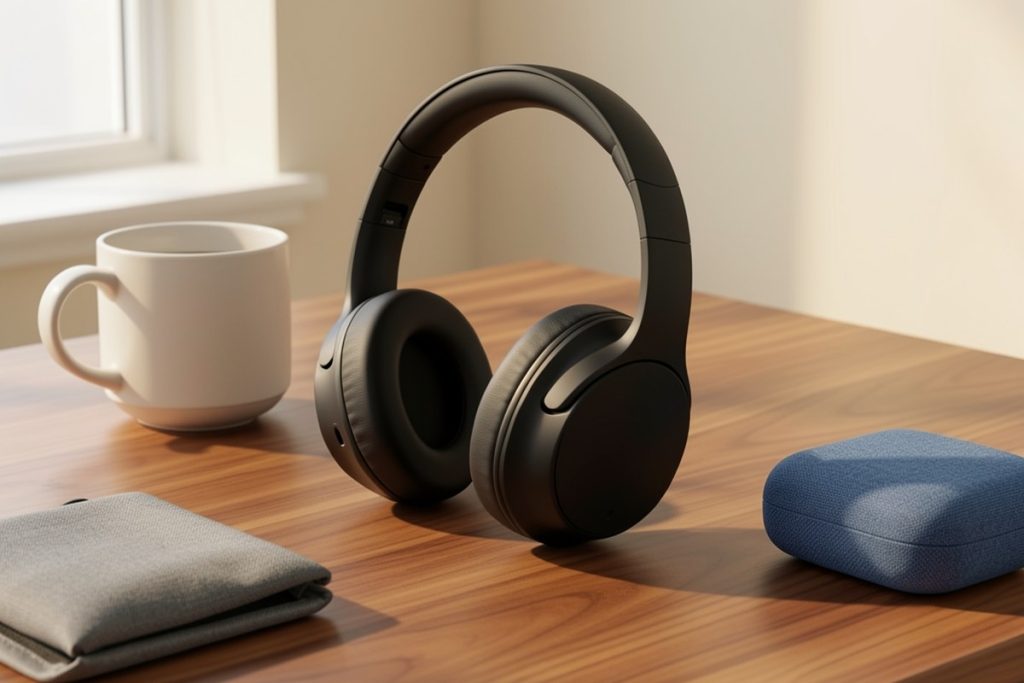
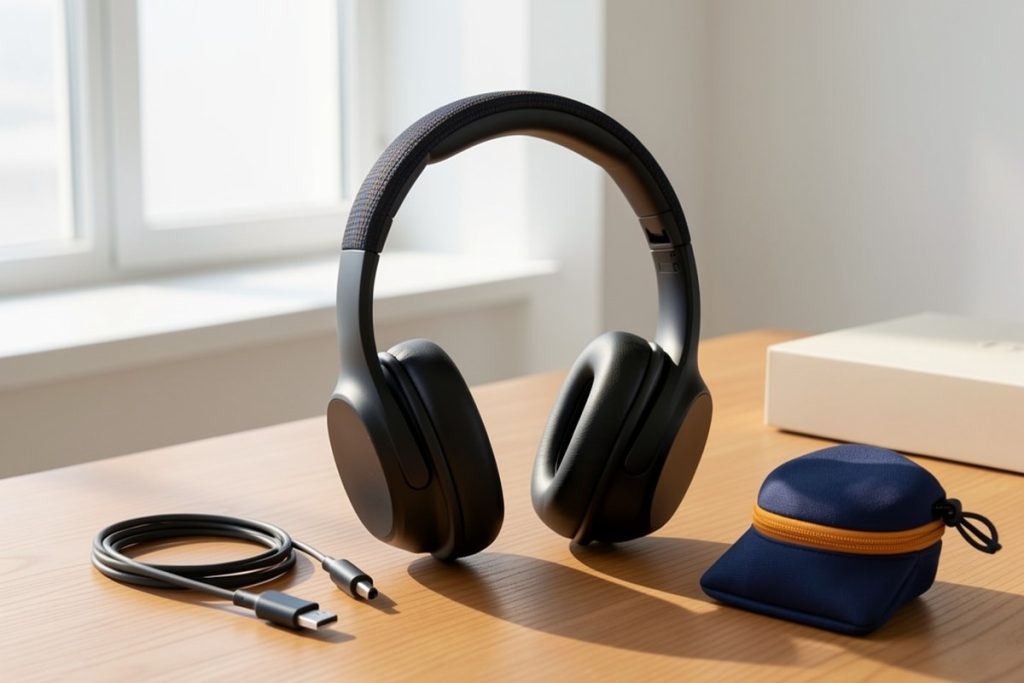
The approved Sony WH-CH720N is a sensible example to investigate for this use case because its listed feature set combines wireless over-ear design, dual noise sensor technology, a built-in microphone, multipoint connection, and a stated battery life of up to 35 hours with quick charging. See the Sony WH-CH720N on Amazon. As an Amazon Associate, GetWitty may earn from qualifying purchases.
That is not a claim that it is the best choice for everyone. It may suit someone who wants one headset for commuting, calls, and two-device use. It may be less appealing to someone who dislikes charging, prefers a wired connection, or finds over-ear headphones warm during long sessions. The manufacturer’s feature list is a starting point, not a substitute for checking fit, device compatibility, and return terms.
When wired headphones still make more sense
Wired headphones are easy to underestimate because they lack some of the features that dominate product listings. Their main advantage is operational simplicity: connect the plug and use them, without pairing menus or a headphone battery. That can be valuable at a desk, in a recording or monitoring setup, or anywhere you do not want another device to maintain.
They can also be the safer choice for a device that is used rarely. If you only listen occasionally, a wired model avoids discovering that a rechargeable headset is empty when you need it. However, modern devices may lack a conventional headphone jack, so you may need an adapter. That adapter becomes part of the comparison, especially if you regularly connect to several devices.
A wired option is not automatically more durable or better sounding. Cable quality, connector design, ear-cup construction, fit, and the source device all matter. Likewise, wireless headphones are not automatically inferior because they use Bluetooth. Compare the actual design and evidence rather than relying on assumptions about the connection type.
Use this checklist before choosing
- Noise: Is your main problem engine rumble, office chatter, or occasional interruptions?
- Charging: Will you remember to charge a headset, and can you tolerate losing features when the battery is empty?
- Devices: Do you need to switch between a phone and computer, and does the model support your setup?
- Calls: Is the microphone important enough to test during a real call rather than assume from the product description?
- Comfort: Will you wear the headphones for 15 minutes or several hours? Consider weight, ear-cup space, pressure, and heat.
- Travel: Does the design fit your bag, and can you store the cable or charge the headset conveniently?
How to make a fair apples-to-apples comparison
Start by writing down your three most common listening situations. Do not use an unusual vacation or one idealized commute as your only test case. If your list is “home office, train, and phone calls,” score every candidate against those same situations.
Next, separate verified specifications from expectations. Battery capacity or stated runtime is a specification; whether the headset lasts through your particular week depends on volume, features, calls, and usage patterns. A microphone is a specification; whether callers hear you clearly in a station is a performance question. This distinction keeps marketing language from doing the comparison for you.
Finally, decide which drawbacks you can live with. Wireless headphones trade charging for freedom from cables and may offer ANC or multipoint. Wired headphones trade cable convenience for a simpler power arrangement. Neither tradeoff is universally better. The best purchase is the one whose disadvantages are least disruptive to your routine.
Bottom line
For commuting and mixed-device work, wireless noise-canceling headphones are usually the more convenient category, provided you accept charging and confirm compatibility. For quiet spaces, occasional listening, or a no-maintenance setup, wired headphones can be the more rational choice. Compare the same criteria across every option, treat manufacturer claims as specifications rather than guarantees, and let your actual routine—not the longest feature list—make the final decision.