
Quick answer
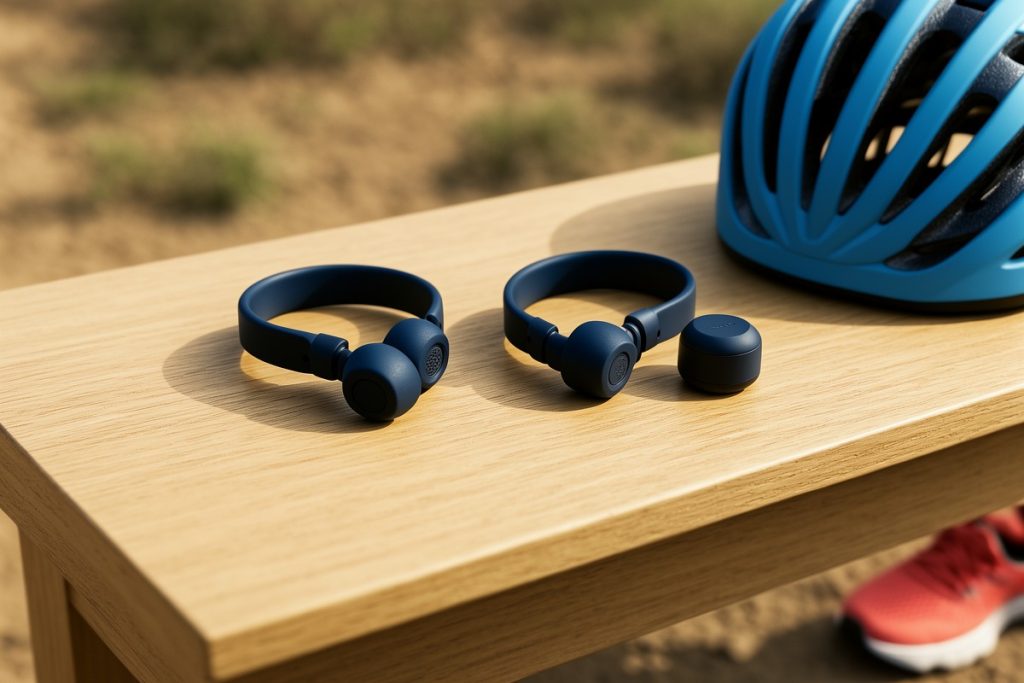
For running and cycling, open-ear headphones are usually the better choice when you want music or calls without fully blocking surrounding sounds. In-ear earbuds may offer a more sealed fit and stronger isolation, but that can be a disadvantage near traffic or other people. The right option depends on your route, fit preference, sound expectations, weather needs, and willingness to monitor volume.
Key takeaways
- Choose open-ear headphones for routes where hearing nearby traffic, cyclists, or conversation matters.
- Choose in-ear earbuds when isolation, compact storage, and a sealed fit are more important.
- Neither design makes an activity automatically safe; keep volume moderate and stay alert.
- Check battery life, water resistance, microphone features, and fit before comparing prices.
By Ruby Santos, Honest Consumer Advocate
Last reviewed: 2026-09-18
Why this comparison matters for active listeners
Wireless headphones can look interchangeable in a product search, but the design sitting in or around your ear affects how you experience an outdoor route. A pair that sounds excellent in a quiet room may be frustrating beside a busy road. Another that feels secure during a short run may become uncomfortable during a longer ride.
The most useful comparison is not simply “which sounds better?” It is “which design fits the way I move, where I exercise, and what I need to hear?” Running on a familiar park loop is different from cycling through intersections. A solo workout is different from a group ride where you may need to hear instructions.
Open-ear and in-ear headphones compared
| Factor | Open-ear headphones | In-ear earbuds |
|---|---|---|
| Awareness | Designed to keep the ear canal less obstructed, which can make surrounding sounds easier to notice. | Sealed ear tips can reduce outside sound, depending on fit and listening volume. |
| Sound isolation | Usually provides less isolation from wind, voices, and traffic. | Often provides more isolation, which can help in noisy environments but requires more awareness from the listener. |
| Fit | Rests around or near the ear rather than sealing inside it; comfort varies by shape and pressure. | Uses ear tips inside the ear canal; a correct tip size is important for stability and comfort. |
| Best use | Outdoor running, cycling, hiking, and situations where ambient sound matters. | Travel, indoor workouts, focused listening, and settings where blocking noise is useful. |
| Main compromise | Music may compete with wind and environmental noise. | Greater isolation may make it harder to notice nearby sounds. |
This table describes design tendencies, not guarantees. Fit, volume, wind, road noise, and the shape of your ears can change the experience considerably.
When open-ear headphones make more sense
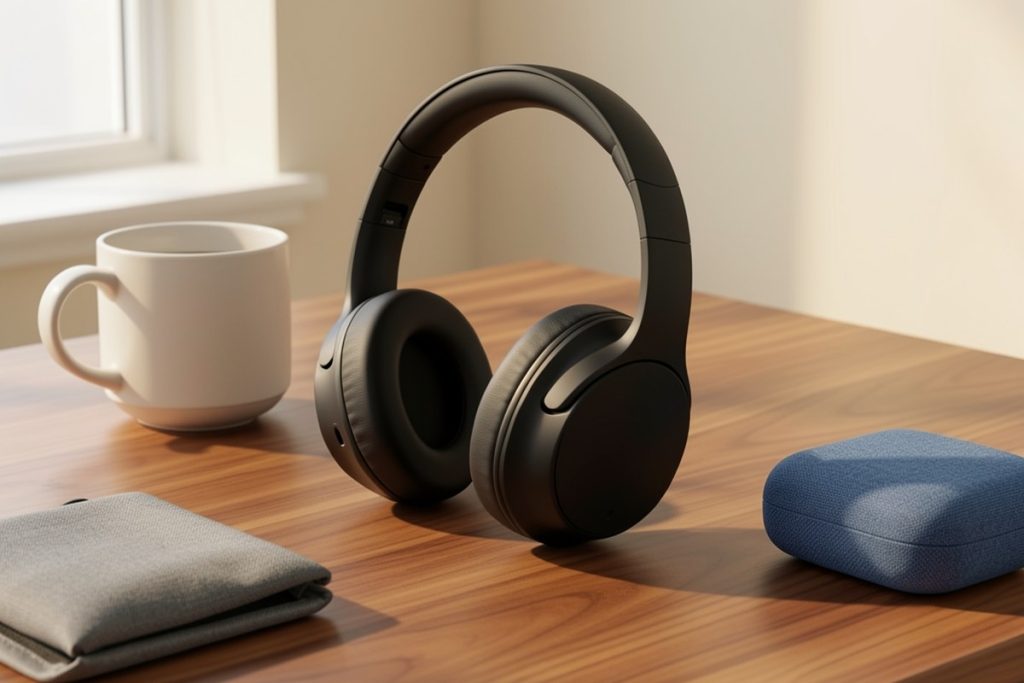
Open-ear headphones are a practical starting point for runners and cyclists who do not want to feel disconnected from their surroundings. On a shared path, you may want to notice a faster rider approaching. In a neighborhood, you may need to hear a vehicle, a horn, or a person speaking. On a hike, natural sounds and route companions may be part of the experience.
They can also suit people who dislike the plugged-in sensation of ear tips. Because the design does not depend on filling the ear canal, some listeners may find it easier to wear for longer sessions. That is a comfort preference, not a universal advantage: the band, hooks, or contact points still need to sit securely without rubbing or shifting.
The tradeoff is that open sound competes with the environment. Wind noise can be especially noticeable during cycling. If you routinely ride fast, travel beside heavy traffic, or expect detailed music reproduction, test your preferred volume and fit carefully. Hearing your surroundings is useful, but it does not replace visual checks, safe positioning, or attention to road conditions.
When in-ear earbuds are the better fit
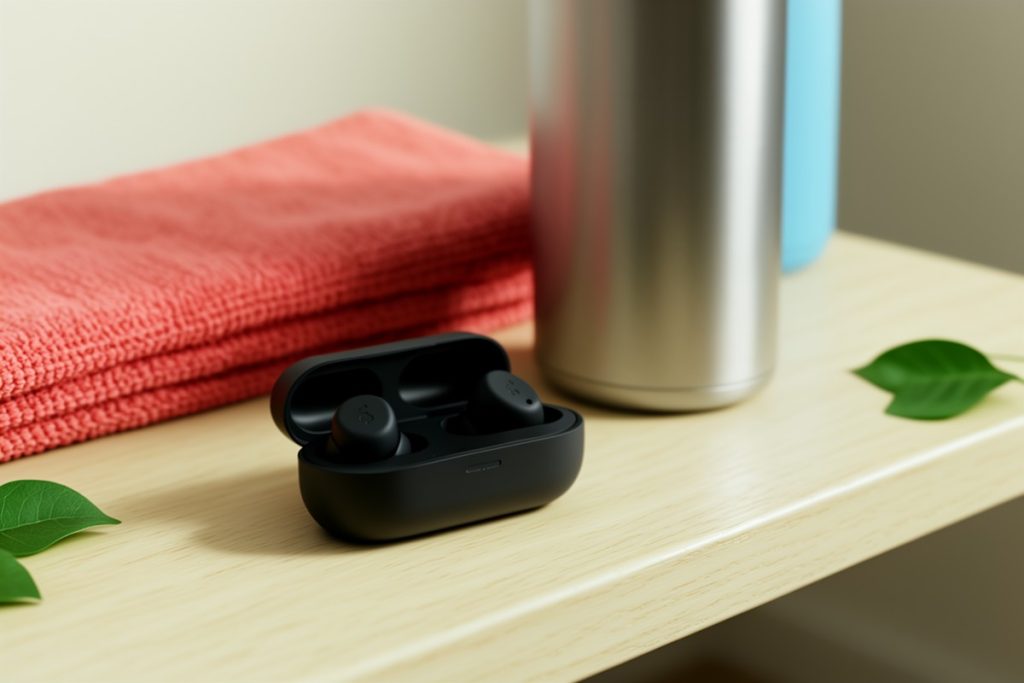
In-ear earbuds may be the better choice when you want a compact design, a more private listening experience, or stronger separation from background noise. They can work well for indoor training, treadmill sessions, commuting on public transportation, and focused listening away from traffic.
A sealed fit can also make music or spoken audio easier to hear at a lower perceived volume in some environments. However, isolation is not automatically safer or more comfortable. Poorly fitting tips can loosen during movement, create pressure, or encourage repeated adjustments. If an earbud needs constant repositioning, it is not a good match for the activity, regardless of its sound quality.
For outdoor exercise, transparency or ambient-sound modes may help some earbuds users hear more of what is happening around them. These modes vary by model and can be affected by software, wind, battery level, and fit. Treat them as a feature to evaluate, not as a substitute for paying attention.
How the SHOKZ OpenRun Pro 2 fits the comparison
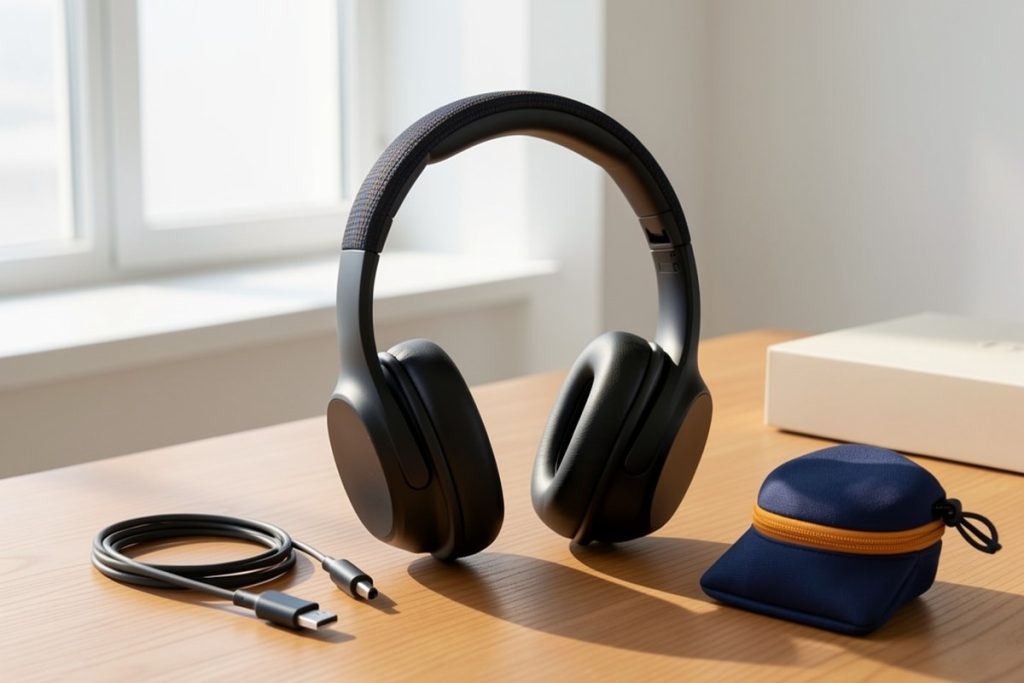
The SHOKZ OpenRun Pro 2 Bone Conduction Bluetooth Sport Headphones, Black are relevant if your priority is an open-ear format for running, cycling, or hiking. The listed feature set includes open-ear awareness, DualPitch sound, a Smart Mic, IP55 protection, and a stated 12-hour battery. Those specifications address common outdoor-use questions: whether the ears remain open, whether calls are part of the use case, and whether the battery can cover a longer session.
That does not make them the best choice for everyone. An open-ear design will not provide the same isolation as sealed earbuds, and people who prioritize immersive listening may prefer a conventional in-ear model. The IP55 rating should also be understood as a product specification rather than permission to submerge the headphones or use them in every weather condition. Confirm the manufacturer’s care instructions before exposing any electronics to water.
Because comfort and stability are personal, the most honest recommendation is conditional: consider this model if you specifically want open-ear sport headphones and value the listed battery, microphone, and water-resistance features. Compare it with in-ear alternatives if you mainly exercise indoors, want stronger noise isolation, or prefer a smaller earbud-style design.
A practical checklist before you buy
- Route: Will you exercise near traffic, shared paths, or other people who may need your attention?
- Fit: Can the design stay secure without pinching, slipping, or requiring frequent adjustments?
- Sound: Do you want awareness of the environment or more isolation from it?
- Battery: Does the stated battery life cover your typical workout plus charging gaps?
- Calls: If you take calls outdoors, is the microphone feature important enough to affect your choice?
- Weather: Does the product’s stated protection match your normal conditions, and are you following its care instructions?
- Volume: Can you listen comfortably without turning the audio up to overpower wind and traffic?
Safety should remain part of the decision
Headphones do not make a route safe by themselves. The National Highway Traffic Safety Administration’s bicycling guidance emphasizes basic measures such as following traffic rules, staying visible, and remaining alert. For cyclists, that means a headphone choice should support—not replace—looking around, checking intersections, and communicating with others.
Listening volume matters for runners and cyclists too. The Centers for Disease Control and Prevention explains that repeated exposure to loud sound can contribute to hearing damage. If you need to raise the volume substantially to overcome the environment, an open-air route may not be the right place for continuous audio. Shorter listening periods, lower volume, and breaks can make the overall experience more sustainable.
The bottom line
Open-ear headphones are the more natural fit for outdoor athletes who want music or calls while retaining access to surrounding sounds. In-ear earbuds remain the stronger option for isolation, compactness, and focused listening. Compare the two designs against your actual route rather than a generic feature list.
If you run or cycle near other road users, start with awareness, fit, and volume control. Then compare battery life, microphone performance, weather protection, and sound preferences. That approach gives you a more useful apples-to-apples decision than choosing solely by brand, appearance, or the biggest specification on the product page.