
Quick answer
A monthly home maintenance routine helps you catch small problems before they become expensive repairs. Spend about 30 minutes checking for leaks, testing safety devices, inspecting filters, cleaning high-use areas, and reviewing seasonal tasks. Use a simple calendar, record what you find, and hire a qualified professional whenever a job involves gas, major electrical work, structural damage, or unsafe heights.
Key takeaways
- Divide maintenance into one short monthly session instead of tackling everything at once.
- Prioritize water leaks, smoke alarms, HVAC filters, drainage, and visible damage.
- Keep a basic record of completed tasks, unusual sounds, leaks, and replacement dates.
- DIY only when you can work safely and identify the correct repair; escalate gas, electrical, roofing, and structural problems.
How to make monthly home maintenance manageable
Home maintenance becomes much easier when you stop treating it as an emergency list. The goal is not to inspect every inch of the property each month. It is to build a repeatable habit that catches changes early.
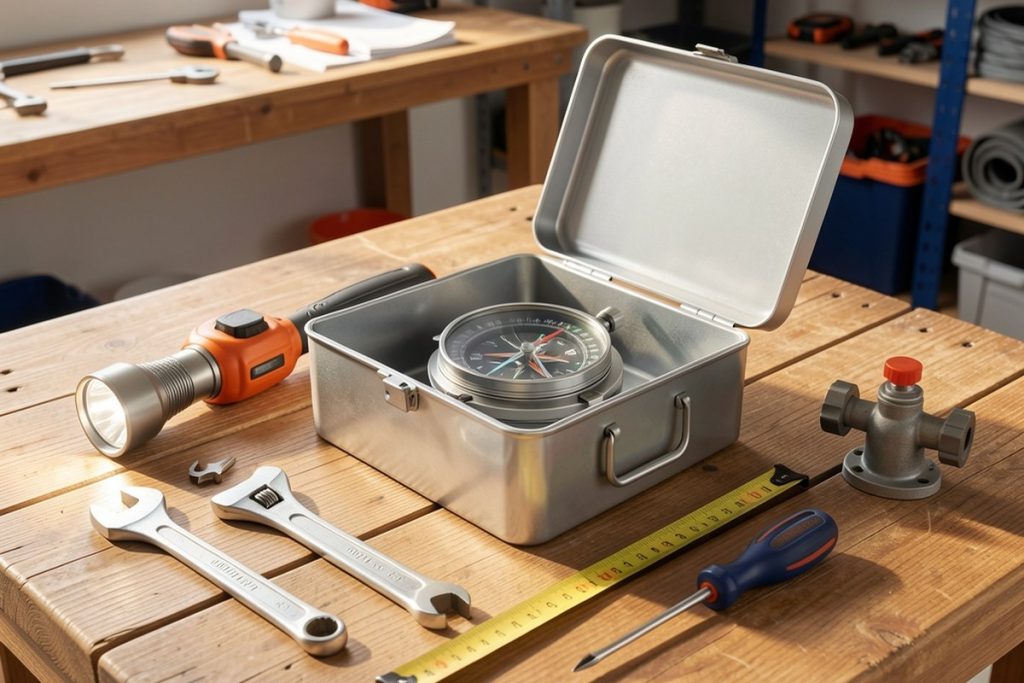
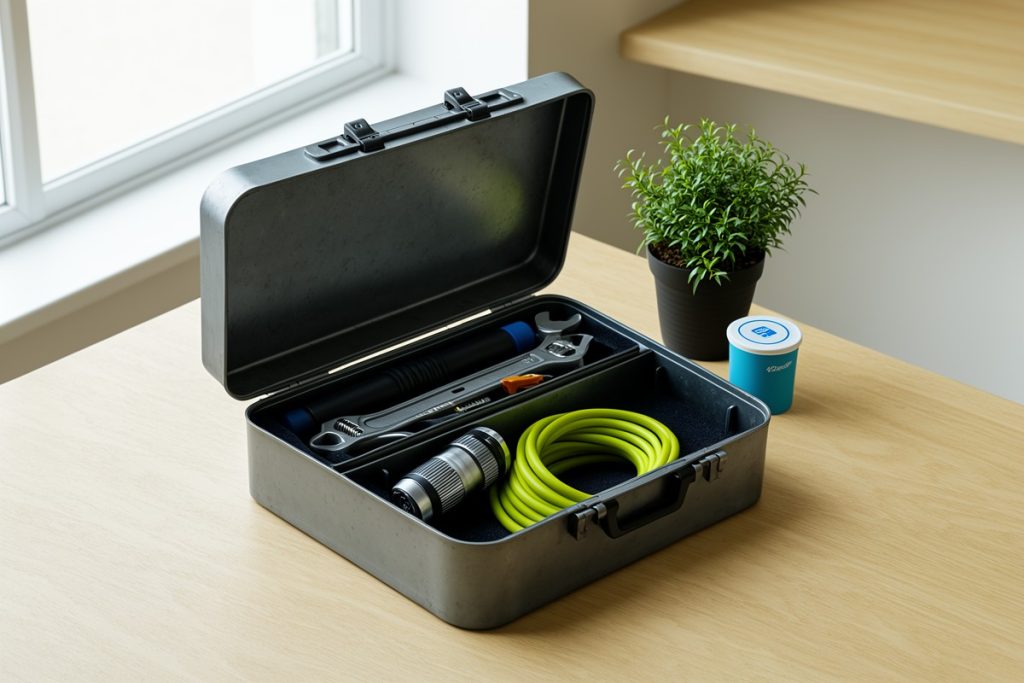
Choose one recurring day, such as the first Saturday of the month. Keep a flashlight, screwdriver set, adjustable wrench, replacement batteries, gloves, and a small notebook together. During each session, walk through the same areas in the same order: exterior, plumbing, heating and cooling, safety devices, and appliances.
Take a photo of anything that looks different from last month. A slowly spreading stain, a new crack, or a fan that has become noisier is easier to act on when you have a record. Do not ignore a problem simply because the home is still functioning.
A practical 12-month home maintenance checklist
This schedule is a starting point for a typical house or apartment. Adjust it for your climate, building type, age of the property, and manufacturer instructions.
| Month | Priority tasks | What to look for |
|---|---|---|
| January | Check indoor plumbing and heating | Leaks under sinks, frozen-pipe risk, unusual furnace sounds, blocked vents |
| February | Test smoke and carbon monoxide alarms | Weak batteries, missing devices, expired units, blocked or painted alarms |
| March | Inspect exterior drainage | Loose downspouts, standing water, clogged drains, soil touching siding |
| April | Review spring HVAC needs | Dirty filters, poor airflow, damaged outdoor equipment, unusual odors |
| May | Check windows, doors, and screens | Failed seals, gaps, sticking hardware, torn screens |
| June | Inspect outdoor water use | Leaking hose connections, damaged irrigation lines, pooling near the foundation |
| July | Look for moisture and pests | Condensation, musty smells, damaged screens, droppings, entry gaps |
| August | Clean high-use appliances | Refrigerator dust, dishwasher buildup, dryer lint, loose cords |
| September | Prepare for cooler weather | Drafts, low insulation around accessible areas, blocked vents, roof damage visible from the ground |
| October | Clean gutters safely | Overflow marks, sagging sections, blocked outlets, water near the foundation |
| November | Check emergency readiness | Working flashlights, fresh batteries, accessible shutoff information, clear exits |
| December | Review the year | Recurring repairs, aging systems, warranty documents, next year’s priorities |
Use this 30-minute inspection routine
- Start with water. Look beneath sinks, around toilets, near the water heater, and beside the washing machine. Feel for dampness and look for mineral deposits, warped materials, or a musty smell. A small active leak deserves attention now, not after the cabinet or flooring is damaged.
- Check safety devices. Test smoke alarms and carbon monoxide alarms according to their instructions. Keep them unobstructed and note battery or replacement dates. The U.S. Fire Administration recommends testing smoke alarms monthly, so this is an easy task to attach to your recurring visit.
- Inspect air movement. Check the HVAC filter and replace or clean it when appropriate for the system and household conditions. A filter that is visibly loaded with dust can restrict airflow, but the correct replacement schedule depends on the equipment and filter type.
- Scan the exterior. From the ground, check gutters, downspouts, siding, windows, foundation edges, and visible roof surfaces. Look for water marks, loose pieces, new cracks, or vegetation touching the structure. Never climb onto a roof merely for a routine inspection.
- Record the next action. Separate findings into “watch,” “schedule,” and “repair now.” This prevents a long, vague to-do list from hiding the one issue that needs immediate attention.
What beginners can DIY—and what they should not
Good beginner tasks are observable, low-risk, and reversible. Replacing a permitted HVAC filter, cleaning a refrigerator coil when the manufacturer allows it, tightening a loose cabinet pull, clearing a visible drain grate, or replacing alarm batteries may fit that category.
Stop and get qualified help for gas odors, sparking outlets, repeated breaker trips, active water behind walls, suspected mold covering a large area, structural cracks, roof work, refrigerant systems, or anything that requires working near energized wiring. Turn off the appropriate utility before basic maintenance, and confirm it is off before opening or removing anything. If you are unsure what a component does, do not experiment on it.
Also check local rules before replacing plumbing, electrical, water-heating, or structural components. A task that looks small can require a permit or inspection, and a quick online tutorial cannot account for every building configuration.
How to organize your maintenance records
A useful record does not need to be elaborate. For each task, write the date, what you checked, what you changed, and what should happen next. Save model numbers and installation dates for major appliances, filters, alarms, and water-heating equipment. This information makes future troubleshooting faster and helps a contractor understand the home’s history.
If you prefer a ready-made sequence instead of creating your own calendar, Your Home Playbook: A Monthly DIY Guide to Routine Home Care is a relevant planning option for a home repair guide. Use it as a checklist framework, then adapt each task to your equipment manuals, local weather, and comfort level. It should support your judgment, not replace manufacturer instructions or professional advice.
Build the habit around prevention, not perfection
The best maintenance plan is one you will actually repeat. Keep the monthly session short, start with water and safety, and schedule specialist work before a small warning becomes a major failure. If you miss a month, simply resume with the current month’s priorities rather than trying to complete the entire year in one weekend.
Over time, your notes will show which systems need attention, which tasks are seasonal, and where the home is aging. That pattern is more valuable than a generic list because it turns maintenance into a practical picture of your own property.
Last reviewed: 2026-09-11
Sources
- Care for Your Air: A Guide to Indoor Air Quality — U.S. Environmental Protection Agency