
Quick answer
To prepare a small home for winter guests, focus on the route they will use rather than trying to decorate every room. Clear the entry, create a visible place for coats and essentials, stock the bathroom, and make sleeping arrangements obvious. Then check lighting, walkways, heating, and weather-related supplies. A short reset plan makes the home welcoming without adding clutter or buying unnecessary furniture.
Key takeaways
- Start with the entry, bathroom, and sleeping area—the spaces guests actually need.
- Use vertical storage for small hosting supplies, but check door clearance and weight limits.
- Improve lighting and clear walkways before adding seasonal decorations.
- Do a final safety and comfort check after dark.
By Dash Miller, Trend Forecaster
Last reviewed: 2026-10-02
Start with the guest route, not the whole house
Walk from the front door to the place where a visitor will sit, sleep, or put down a bag. This five-minute route audit is more useful than a vague plan to “tidy up.” Notice where a guest might hesitate: a crowded hook, a dark step, shoes blocking the doorway, or no obvious place for a coat.
Choose three zones for the reset:
- Entry: Clear the floor, create a landing spot for keys, and make outerwear easy to reach.
- Bathroom: Remove personal overflow, replace the hand towel, and put spare paper products where they can be found.
- Sleeping area: Clear a surface, provide a lamp, and leave room for a bag or folded clothing.
Keep the rest of the home lived-in. Guests generally need orientation and comfort more than a spotless house. If time is limited, these three zones will make a bigger difference than reorganizing a room visitors may never enter.
Create a winter welcome zone in a small entry
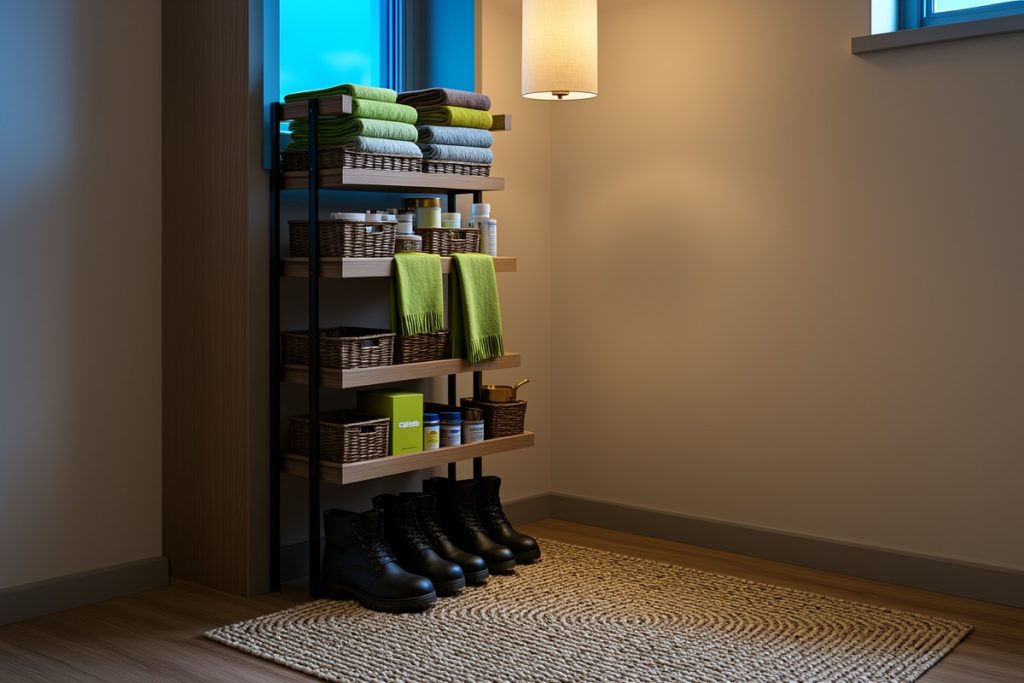
A small entry works best when every item has a defined height. Keep the floor for shoes, the eye-level area for coats and bags, and a higher shelf or basket for less frequent items such as extra scarves or guest slippers. This prevents the common seasonal pileup in which coats, hats, mail, and shopping bags compete for the same chair.
Use this quick checklist before guests arrive:
- Remove everyday items that do not belong in the entry.
- Leave two or three empty hooks or hangers.
- Put a washable mat inside the door and check that it lies flat.
- Place a small tray or bowl for keys away from the walking path.
- Add a warm lamp that illuminates the threshold without shining into anyone’s eyes.
If wall space is limited, an over-the-door organizer can turn unused vertical space into a temporary supply station. The Moforoco 9-Tier Over The Door Pantry Organizer is listed as a hanging storage unit; it may be worth considering for sealed snacks, napkins, spare toiletries, or other lightweight hosting supplies when the door opens freely and the frame can accommodate it. Check the door clearance, attachment method, and the maker’s weight guidance first. It is an organizational option, not a reason to overload a door or force one into a narrow hallway.
Make the bathroom and sleeping area self-explanatory
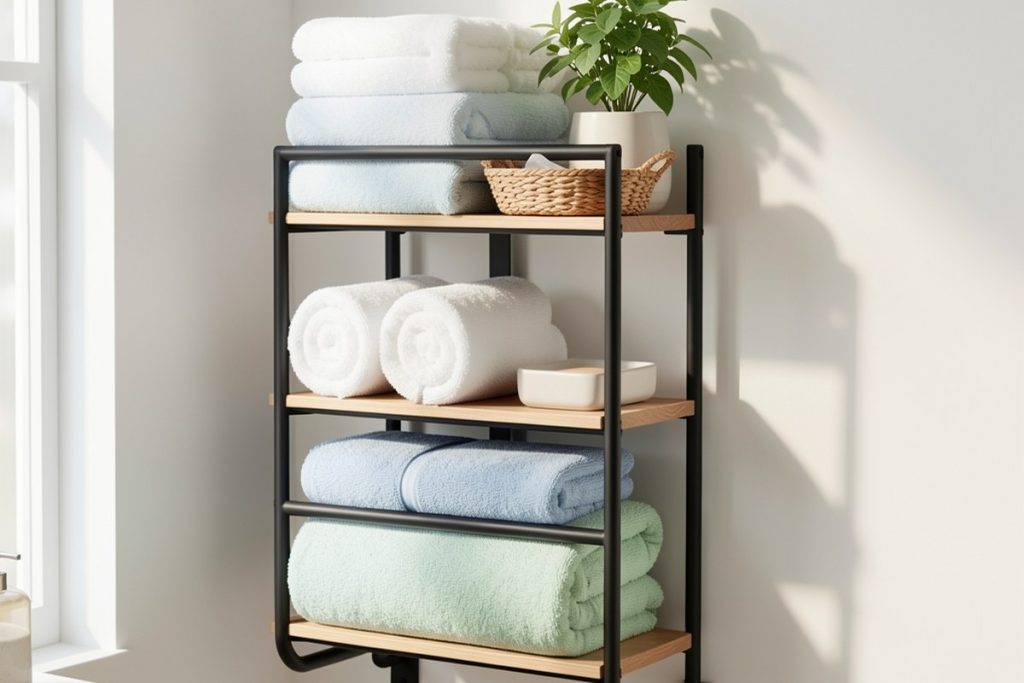
Guests should not have to search for basics. Put spare towels, soap, toilet paper, and a wastebasket where their purpose is obvious. If you store extras in a cabinet, leave the door slightly open or use a small basket so visitors do not need to inspect every shelf. Keep personal medications, cleaning products, and fragile items out of the guest’s way.
For an overnight guest, the minimum useful setup is simple: a clear sleeping surface, a nearby light switch or lamp, a place to charge a device, and a hook or chair for clothing. Add one extra blanket only if it can be reached without moving furniture. If the room is also an office or playroom, contain daily activity in one basket or lidded box rather than attempting a full transformation.
Think about what a tired guest will do at night. A small glass of water, a clear path to the bathroom, and a visible place for shoes can be more helpful than decorative pillows or elaborate seasonal touches.
Let lighting and warmth create the seasonal mood
Winter atmosphere does not require a house full of themed decorations. Layer a warm lamp with existing overhead lighting, then use one natural element—such as an evergreen clipping in a sturdy vessel—to make the room feel seasonal. Keep candles, cords, and decorations away from heat sources and high-traffic edges. Choose flameless lights when children, pets, or crowded gatherings make open flames a poor fit.
Check the practical side of warmth, too. Keep heaters and vents unobstructed, do not use damaged cords, and make sure guests can identify the main path out of the home. The Ready.gov winter weather guidance can help you decide which supplies and communication plans make sense for your region, especially if a storm could affect travel or utilities.
For heating and decoration precautions, review the National Fire Protection Association’s home heating safety guidance. The details matter more than the décor: a clear vent, stable lamp, and unobstructed exit contribute more to a comfortable visit than another ornament.
Use a low-clutter hosting plan
The easiest way to make a small home feel larger is to limit what must be managed during the visit. Decide where coats will go before the first arrival. Put serving pieces together in one cabinet or basket. Set out only the number of mugs, glasses, and towels needed for the group, with a small reserve nearby. This reduces visual noise and keeps guests from opening every cupboard.
If several people are staying, assign each person a simple place for belongings instead of creating a complicated system. A different shelf, basket, or chair is enough. Keep valuable or breakable items elsewhere, and leave one clear surface for drinks or personal items.
For food and drinks, choose items that can be served without constant kitchen traffic. A self-serve tray with mugs, napkins, tea, and a sealed snack keeps guests comfortable while allowing the host to finish other tasks. Avoid placing hot dishes near the entry, narrow corners, or the edge of a low table.
Do the final reset after sunset
Daylight hides dark corners, loose rugs, and awkward transitions. Walk the guest route again after sunset and turn on the lights you expect to use. Open and close the entry door, test that coats do not snag, and check that bags will not block a stair or exit.
Look at the bathroom from the doorway: can a visitor find the towel, toilet paper, and light switch immediately? In the sleeping area, check that the lamp works, the path is clear, and the temperature feels reasonable. If a guest is unfamiliar with the home, add a brief verbal orientation when they arrive rather than relying on them to figure everything out.
Finish by removing one more category of clutter than you think you need to. The goal is not a showroom. It is a home that communicates, without explanation, where to enter, where to put things, how to get comfortable, and how to find the basics. That is what makes a small winter gathering feel relaxed.
Sources
- Winter Weather — Ready.gov
- Heating Safety — National Fire Protection Association