
Quick answer
Create a small, comfortable corner where you can pause without your phone, then give it one clear purpose: slow down for 10 minutes. Add a supportive seat, soft light, water, and one calming sensory cue. Use gentle breathing, grounding, or journaling rather than trying to eliminate stress completely. The goal is a repeatable reset, not a perfect escape.
Key takeaways
- Choose a low-traffic spot that feels comfortable and easy to reach.
- Keep the space simple: one seat, one calming object, and no distracting clutter.
- Use a short routine with breathing, sensory grounding, and a clear closing step.
- A diffuser can support the ritual, but aromatherapy is optional and not a treatment for stress.
Stress often becomes harder to manage when there is no obvious transition between one demand and the next. You finish a meeting, answer another message, start dinner, and carry the same tension into the evening. A dedicated reset corner creates a physical pause between those moments.
This does not need to be a meditation room or an expensive wellness setup. A corner of a bedroom, a chair near a window, or a small section of a living room can work. What matters most is that the space is easy to use when you are already tired or overstimulated.
Choose a corner that reduces friction
Start with location rather than decoration. Pick somewhere you can reach in under a minute, but not somewhere that pulls you toward chores. A chair beside a window, a quiet end of the sofa, or a cushion in a bedroom corner may be enough.
Look for three qualities:
- Low interruption: Avoid the busiest walkway in your home if possible.
- Comfort: Your feet should rest comfortably, and your back should feel supported.
- Visual calm: Remove objects that remind you of unfinished work, laundry, or notifications.
Keep the corner intentionally small. When every item has a purpose, you are less likely to turn a reset into another organizing project. A small tray, basket, or side table can hold the few things you use regularly.
Build the space with five simple elements
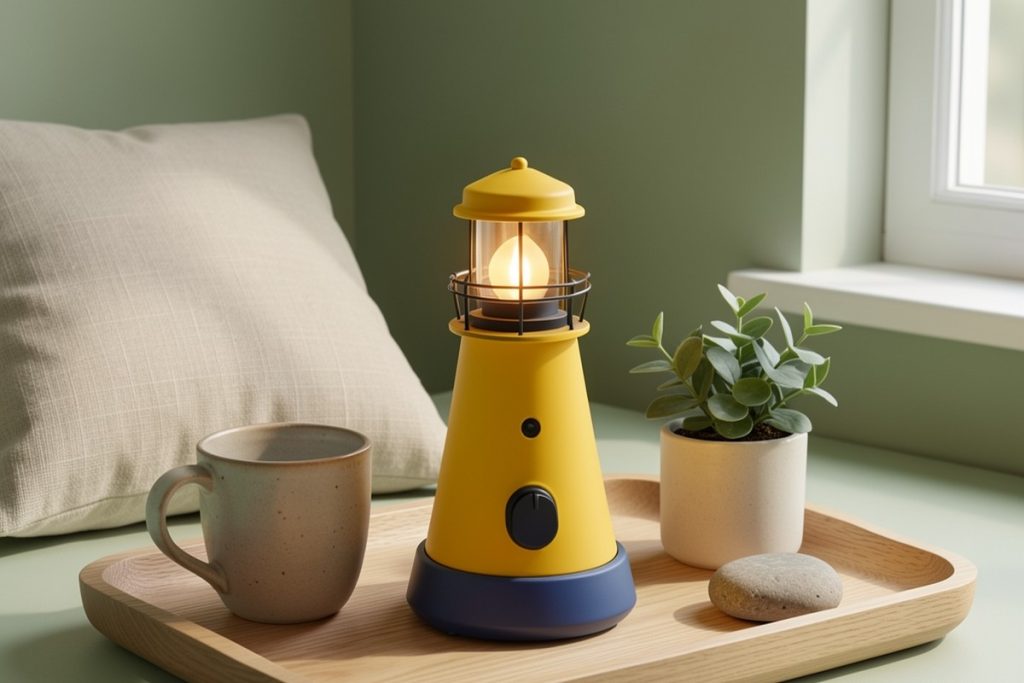
You can create a useful reset corner with items you already own. Begin with a seat or floor cushion, then add a soft source of light if the area feels harsh. Natural light is helpful during the day; a shaded lamp is often more comfortable than a bright overhead fixture in the evening.
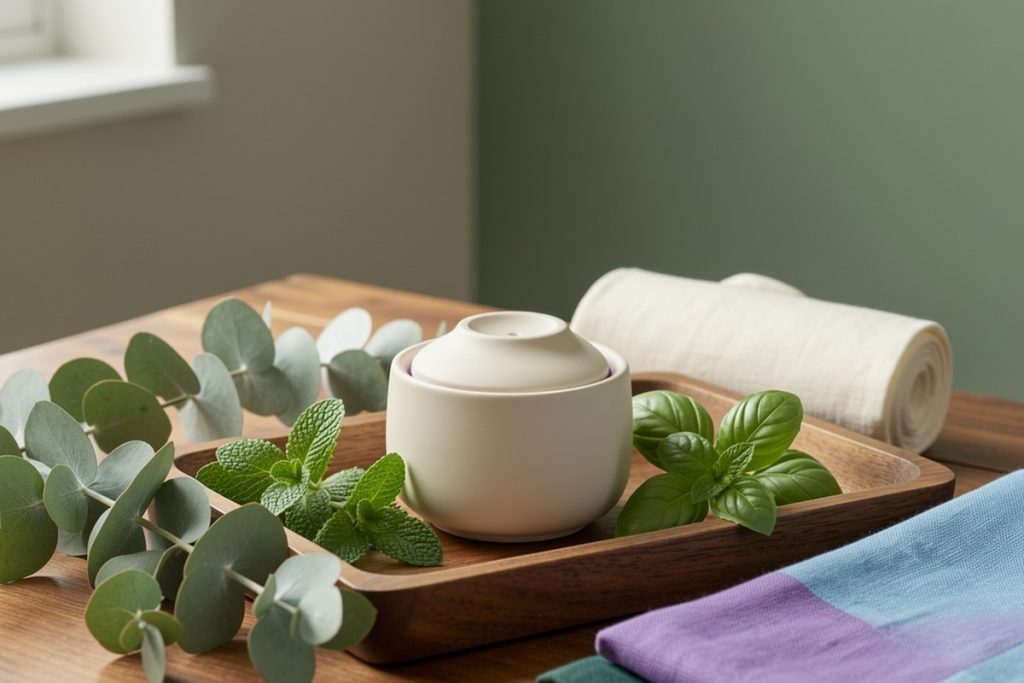
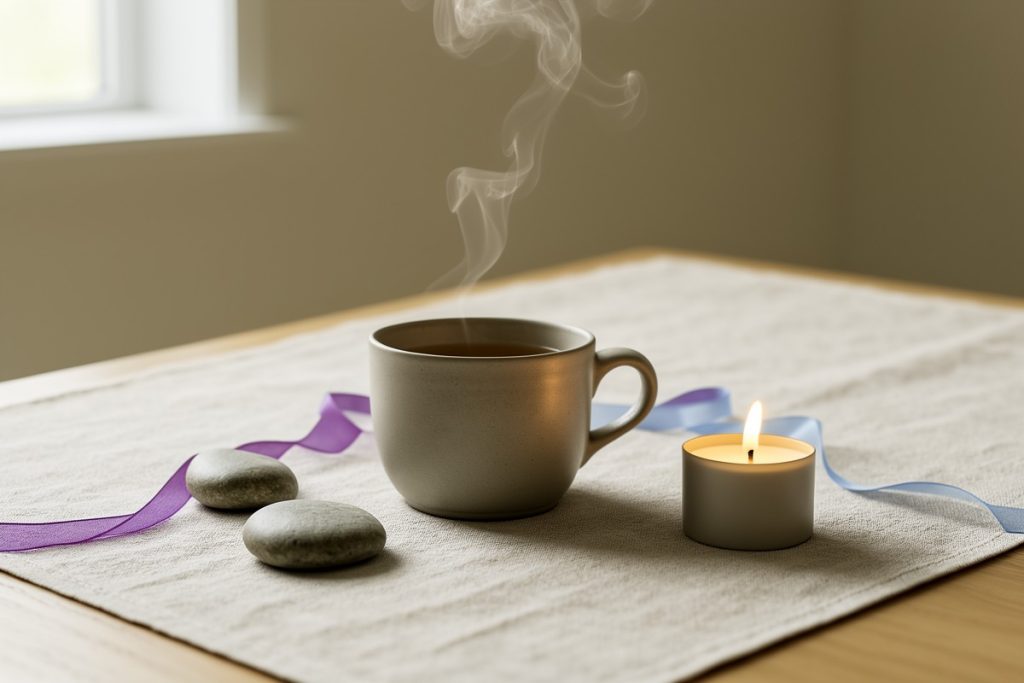
Add a glass or bottle of water, a small blanket if you tend to feel chilly, and one object that gives your attention a gentle anchor. That object might be a plant, a smooth stone, a candle that remains unlit, or a small piece of textured fabric. Choose something pleasant but not visually demanding.
Finally, decide what stays out. Phones, work tablets, piles of mail, and open laptops can make the corner feel like another task station. You do not need to ban technology from your whole home; simply make this one place less connected to incoming demands.
Follow a practical 10-minute reset routine
A routine is easier to repeat when each step has a beginning and an end. Try this sequence whenever you notice that you are rushing, tense, or mentally scattered.
- Minute 1: Arrive. Sit down and place both feet on the floor. Let your shoulders drop without forcing them. Notice whether your body feels restless, heavy, warm, or tight.
- Minutes 2–4: Slow your breathing. Breathe comfortably through your nose if that feels natural, and make the exhale slightly longer than the inhale. Do not strain or hold your breath. If you feel lightheaded, return to normal breathing.
- Minutes 5–7: Ground through your senses. Notice three things you can see, two things you can hear, and one physical sensation, such as your feet against the floor or the fabric beneath your hand. This gives your attention a specific job instead of asking your mind to “just relax.”
- Minutes 8–9: Write one sentence. Complete the prompt, “The next kind, useful thing I can do is…” Keep the answer small and concrete, such as drinking water, sending one email, or going to bed on time.
- Minute 10: Close the ritual. Stand slowly, stretch your hands and shoulders, and decide whether you are returning to the task or taking a longer break. A clear ending helps the practice remain contained.
This routine is not meant to make every difficult feeling disappear. It is a way to create enough space to choose your next action with less urgency.
Use scent as an optional cue, not a requirement
Scent can make a routine feel distinctive because your brain begins to associate a familiar aroma with taking a pause. However, evidence for aromatherapy varies by condition and product, and it should not be treated as a cure for anxiety, depression, insomnia, or other health concerns. The National Center for Complementary and Integrative Health explains what is known about aromatherapy and its limitations.
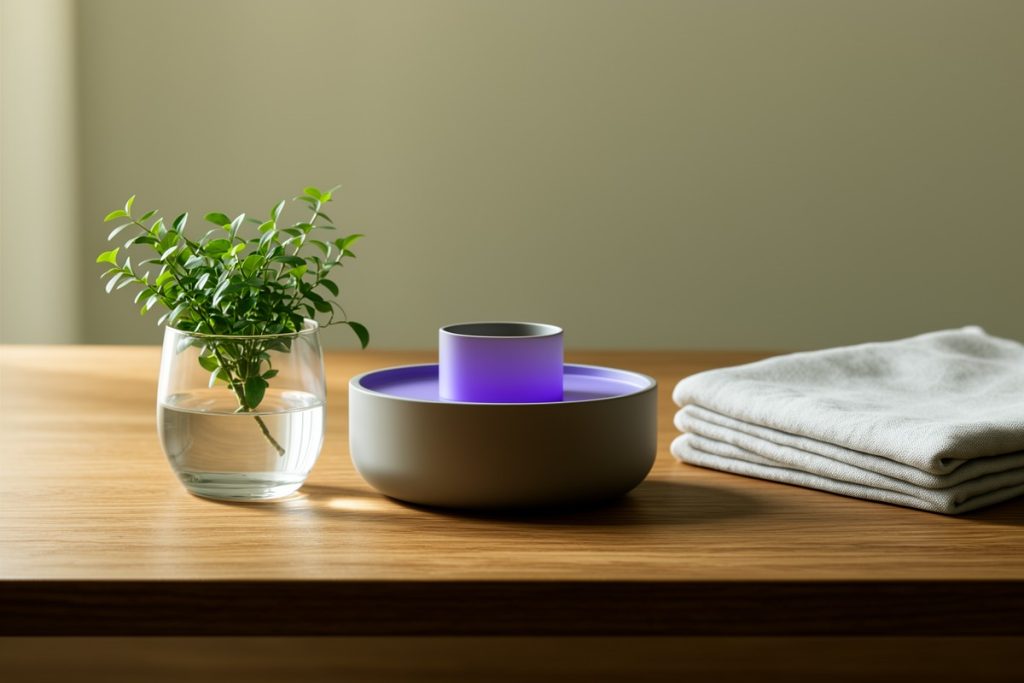
If you enjoy diffused scents and tolerate them well, the ASAKUKI Essential Oil Diffuser for Home, 500ML Aromatherapy Humidifier may fit this kind of corner because it combines a quiet mist device with adjustable lighting and a remote control. Those features can make the ritual easier to start, but they do not make the practice more medically effective. Use it according to the manufacturer’s directions, keep water fresh, and choose unscented use if that feels better.
Essential oils can irritate skin or airways for some people. Be especially cautious if you have asthma, allergies, migraine triggers, pets, or young children at home. Stop using a scent if it causes headache, nausea, irritation, coughing, or breathing discomfort. A diffuser-free corner with warm light and slow breathing is just as valid.
Keep the reset corner easy to maintain
The best wellness space is one you will actually use. Once a week, remove stray items and check whether the setup still feels supportive. If you keep avoiding it, change the location or simplify it rather than buying more accessories.
Use this quick checklist:
- □ The seat is comfortable and ready to use.
- □ The area is clear of work reminders and clutter.
- □ Water and a calming object are within reach.
- □ Your 10-minute routine is saved somewhere you can find it.
- □ Any scent or device is optional, clean, and comfortable for everyone nearby.
Stress that feels persistent, overwhelming, or disruptive to daily life deserves more than a home ritual. A reset corner can support a broader wellbeing plan, but it cannot replace professional care when you need it. The National Institute of Mental Health’s stress guidance offers additional context on recognizing when stress may require more support.
Last reviewed: 2026-10-16