
You do not need sugar to rehydrate effectively. The most sustainable way to stay hydrated without added sweeteners is to combine plain water with natural mineral sources, consistent daily habits, and—when needed—sugar-free electrolyte support that replaces what sweat and stress deplete without spiking your blood glucose.
Many people reach for flavored beverages because they believe water is not doing enough. That intuition is partially correct: fluid volume alone does not solve dehydration if your electrolytes are imbalanced. However, the answer is not found in neon-colored sports drinks. It is found in a quieter, more intentional approach to what you drink and how you structure your day around replenishment.
Why Plain Water Isn’t Always Enough
The standard advice to drink more water assumes that all fluid is created equal. In reality, hydration is a cellular process. Water moves into your cells through osmotic channels that rely on sodium, potassium, magnesium, and calcium. When those minerals are low—either because you have been sweating, consuming diuretics like coffee, or eating a diet low in whole foods—your body can struggle to retain the water you are consuming.
The result is a frustrating cycle. You drink a large bottle of water, feel bloated or sloshy, and then urinate most of it out within the hour without ever feeling refreshed. You may notice a dull headache, tight muscles, or difficulty concentrating in the afternoon. These are not signs that you need more sugar. They are signs that your fluid balance needs minerals.
Wellness-oriented hydration therefore starts with the understanding that you are not just trying to fill a tank. You are trying to maintain an internal environment where electricity can move through your nervous system and muscles efficiently. That requires more than H2O.
The Hidden Sugar Trap in “Healthy” Drinks
Walk through any grocery store hydration aisle and you will see promises of electrolytes, vitamins, and energy restoration. What the bright labels rarely emphasize is the sugar content. A typical 20-ounce sports drink can contain over 30 grams of added sugar. Even coconut water, often praised as a natural alternative, carries significant carbohydrates that may not align with your goals if you are managing energy crashes or inflammation.
Sugar complicates hydration in two ways. First, it requires water for metabolism and can temporarily pull fluid from your cells during digestion. Second, it triggers an insulin response that can leave you feeling tired once the initial glucose burst fades. If you are drinking sweetened beverages to solve afternoon fatigue, you may be creating the very problem you are trying to solve.
For those with insulin sensitivity, polycystic ovary syndrome, or simply a desire for steady cognitive performance, removing added sugar from hydration is a meaningful wellness upgrade. It is not about restriction; it is about removing the ingredient that works against your body’s attempt to maintain homeostasis.
Your Sugar-Free Hydration Checklist
Building a new habit requires removing friction and adding structure. Rather than relying on thirst, which often arrives after you are already mildly dehydrated, use this daily checklist to distribute fluid and minerals evenly across your waking hours. The goal is prevention, not rescue.
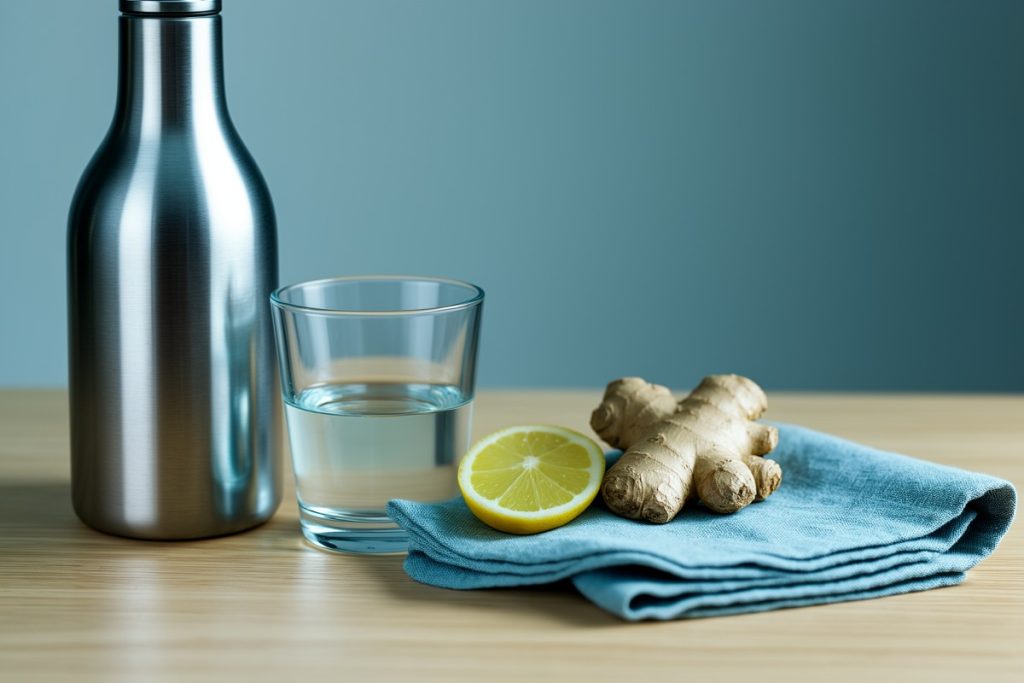
- Upon waking: Drink 16–20 oz of room-temperature water within 30 minutes. Overnight respiration dehydrates you more than most people realize. A pinch of high-quality sea salt or a squeeze of fresh lemon adds trace minerals and makes the water more bioavailable without adding sugar.
- With breakfast: Include water-rich whole foods such as berries, melon, or oatmeal. Food contributes roughly 20 percent of your daily fluid intake and delivers fiber that slows mineral absorption for steadier energy.
- Mid-morning: Replace one caffeinated beverage with herbal tea, warm lemon water, or sparkling mineral water. Caffeine is a mild diuretic, and alternating it with non-caffeinated options preserves your fluid balance.
- Before lunch: Sip 8 oz of water 20 minutes before eating. This supports gastric acid production and prevents mistaking thirst for hunger, a common trigger for afternoon snacking.
- Pre-workout or mid-afternoon: If you anticipate sweating or feel the early signs of a tension headache, use a sugar-free electrolyte source rather than a sweetened sports drink.
- During dinner: Focus on mineral-rich vegetables like zucchini, celery, or bok choy. These provide potassium and magnesium in a food matrix your body recognizes.
- Evening wind-down: Switch to a small cup of warm water or magnesium tea two hours before bed. Avoid large volumes that disrupt sleep, but maintain enough fluid to support overnight cellular repair.
How to Choose a Clean Electrolyte Helper
Whole foods should always be your first strategy. However, there are legitimate moments when a powdered electrolyte option adds convenience without compromise: long flights, high-intensity workouts, illness recovery, or days when you simply cannot stomach another glass of plain water. The key is selecting a product that supports your wellness goals rather than undermining them with hidden sweeteners or synthetic dyes.
When evaluating a sugar-free electrolyte packet, look for formulations that use real fruit or plant sources for flavor, contain no artificial colors, and offer a balanced spectrum of sodium, potassium, and magnesium rather than sodium alone. Read the label carefully; some products replace sugar with sugar alcohols that can cause digestive distress, while others use stevia or monk fruit in amounts that taste cloying.
Nectar Hydration Packets fit the criteria for a clean helper: they are sugar-free and zero-calorie, flavored with organic fruit, and designed to dissolve into water for mineral support when whole-food options are not practical. They are not a substitute for a nutrient-dense diet, but they can serve as a useful bridge on demanding days or after strenuous movement that leaves you depleted.
Reading Your Body’s Hydration Signals
Wellness culture often simplifies hydration down to “drink until your pee is clear.” While urine color can be one indicator, it is an incomplete picture. Overhydration with plain water can also produce clear urine while leaving you symptomatic. Instead, learn to read the subtler messages your body sends.
Chronic mild dehydration often shows up as afternoon headaches, tight fascia that does not release with stretching, or skin that looks dull despite a thorough skincare routine. You might notice your heart rate elevating during light activity, or that you feel dizzy when standing quickly. These vascular and neurological signals suggest that your blood volume or mineral status is off, not necessarily that you need sleep or more coffee.
Another overlooked marker is digestion. Adequate hydration keeps mucosal linings in your gut functional and supports enzyme activity. If you are drinking water yet still experiencing sluggish digestion, the issue may be that water is moving through you too quickly because there are not enough electrolytes to help your tissues hold onto it. Adding minerals—through food or a clean sugar-free source—often resolves this more effectively than increasing fluid volume alone.
Making Hydration a Mindful Ritual
The most powerful wellness changes are rarely dramatic. They are built from small, repeatable moments that anchor your nervous system in safety and predictability. Hydration is an ideal candidate for this kind of ritual because it happens multiple times a day, every day.
Start by choosing a vessel you enjoy. A glass carafe on your desk, a stainless steel bottle that keeps water cold, or a ceramic mug for warm morning lemon water all signal to your brain that this practice deserves attention. Prepare your next day’s water the night before. Pair your hydration moments with existing habits: drink when you open your laptop, when you return from a bathroom break, or while your morning coffee brews.
Finally, reframe sugar-free hydration as an act of nourishment rather than denial. You are not missing out on a sweetened beverage; you are giving your cells the precise environment they need to produce steady energy, clear thoughts, and resilient immunity. When you taste clean water and actually notice its quality, your palate has shifted. That shift is a biometric indicator that your body trusts you again.
Last reviewed: 2026-08-05