
Quick answer
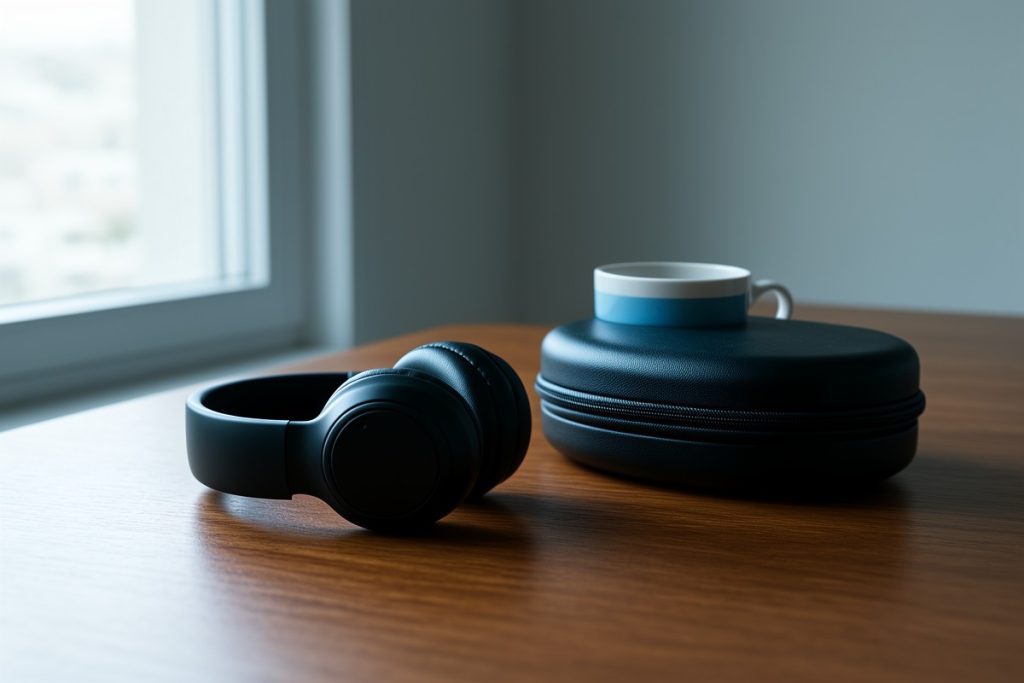
Choose over-ear headphones for longer listening, a more substantial fit, and a focused travel or work setup. Choose in-ear earbuds when pocketability, exercise, and quick transitions matter most. For iPhone owners, Apple’s AirPods Max 2 is worth considering if you specifically want active noise cancellation, Adaptive Audio, Personalized Spatial Audio, Live Translation, and Bluetooth in an over-ear design.
Key takeaways
- Over-ear headphones are usually the better match for long listening sessions and focused work.
- In-ear earbuds are easier to carry, use during exercise, and switch between quickly.
- AirPods Max 2 makes the most sense for iPhone users who value Apple-connected features in an over-ear format.
- Compare fit, controls, device compatibility, recording needs, and travel habits—not just noise-cancellation labels.
Start with the problem you want headphones to solve
“Best” wireless headphones depend less on a specification sheet than on the situation you want to improve. Someone working beside a busy street has different priorities from someone who wants a lightweight audio option for a daily run. A fair comparison begins by naming the inconvenience: outside noise, uncomfortable fit, limited battery flexibility, difficult controls, poor portability, or inconsistent compatibility with an iPhone.
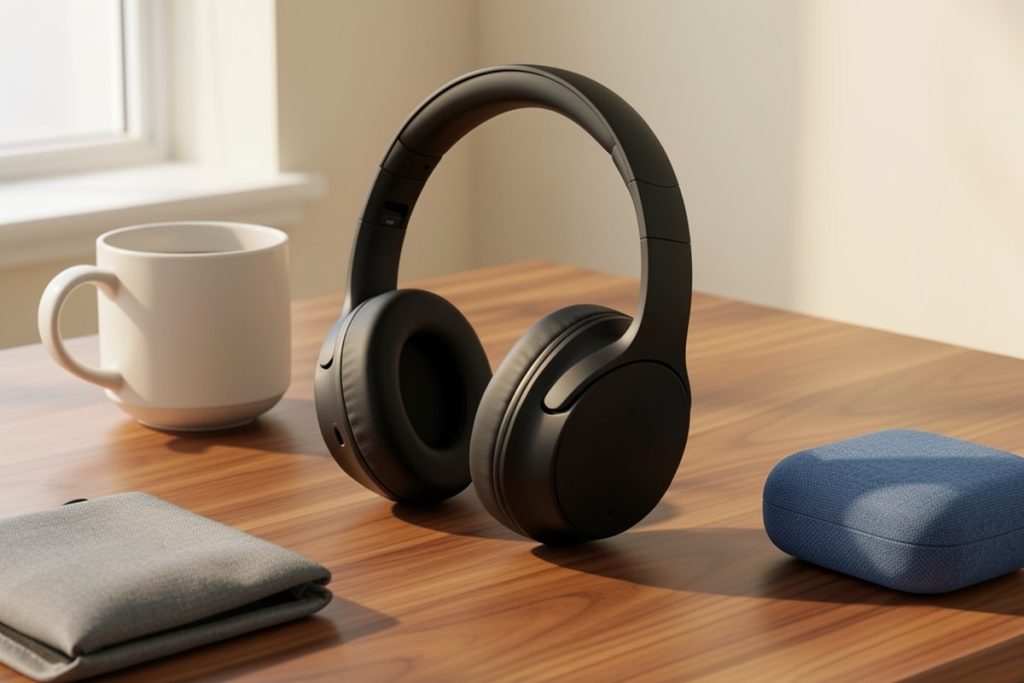
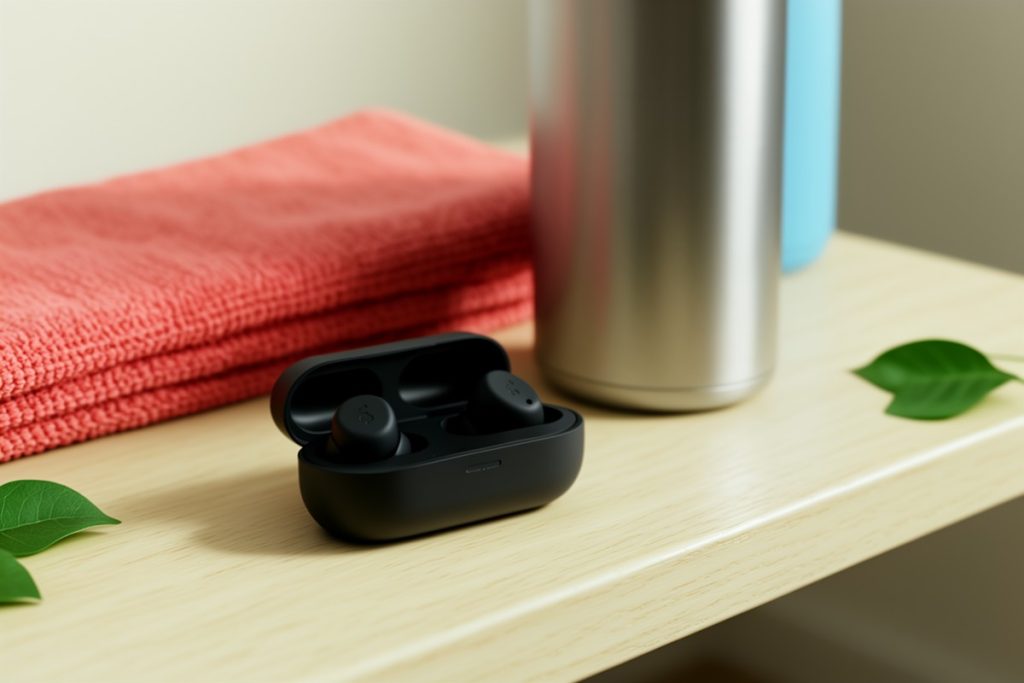
Over-ear headphones place padded ear cups around the ears. That design can feel more immersive and deliberate, especially when you are listening at a desk, on a flight, or during a long train journey. In-ear earbuds sit inside the ear and generally win when space, speed, and movement matter. Neither format is automatically superior; each removes a different type of friction.
Over-ear versus in-ear headphones for iPhone
| Comparison point | Over-ear headphones | In-ear earbuds |
|---|---|---|
| Best for | Focused work, travel, music, and long listening | Commuting, exercise, calls, and quick everyday use |
| Portability | Requires more room in a bag | Usually easier to carry in a pocket or small case |
| Fit | Headband and ear-cup comfort are critical | Ear-tip shape and seal are critical |
| Controls | Often easier to find without touching the ear | Convenient, but controls vary by design |
| Buying risk | Heat, pressure, weight, and headband comfort | Ear fatigue, loose fit, or an unreliable seal |
This table is a starting point, not a verdict. A person who dislikes anything inside the ear may find over-ear headphones more comfortable, while a traveler who packs lightly may prefer earbuds despite their smaller design. Your own fit history is more useful than a generic ranking.
Where AirPods Max 2 fits in the decision
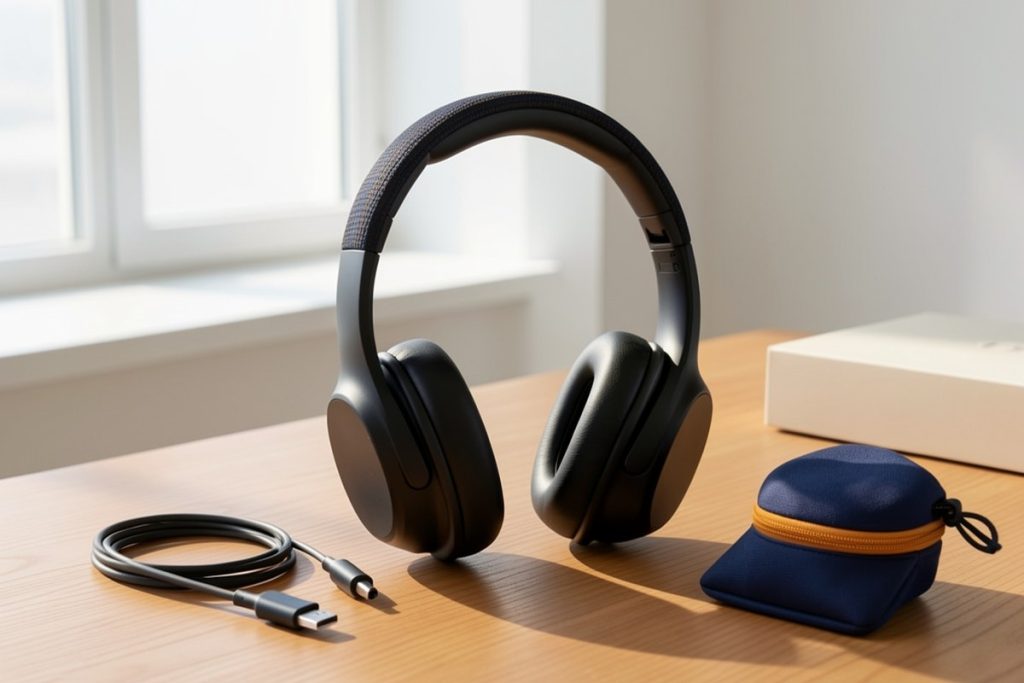
Apple AirPods Max 2 Wireless Over-Ear Headphones fits the over-ear side of this comparison. Its appeal is not simply that it is a pair of Bluetooth headphones. The listed feature set includes active noise cancellation, Adaptive Audio, Personalized Spatial Audio, Live Translation, and an H2 chip. Those features make it most relevant to an iPhone owner who wants a dedicated over-ear listening experience while staying within Apple’s ecosystem.
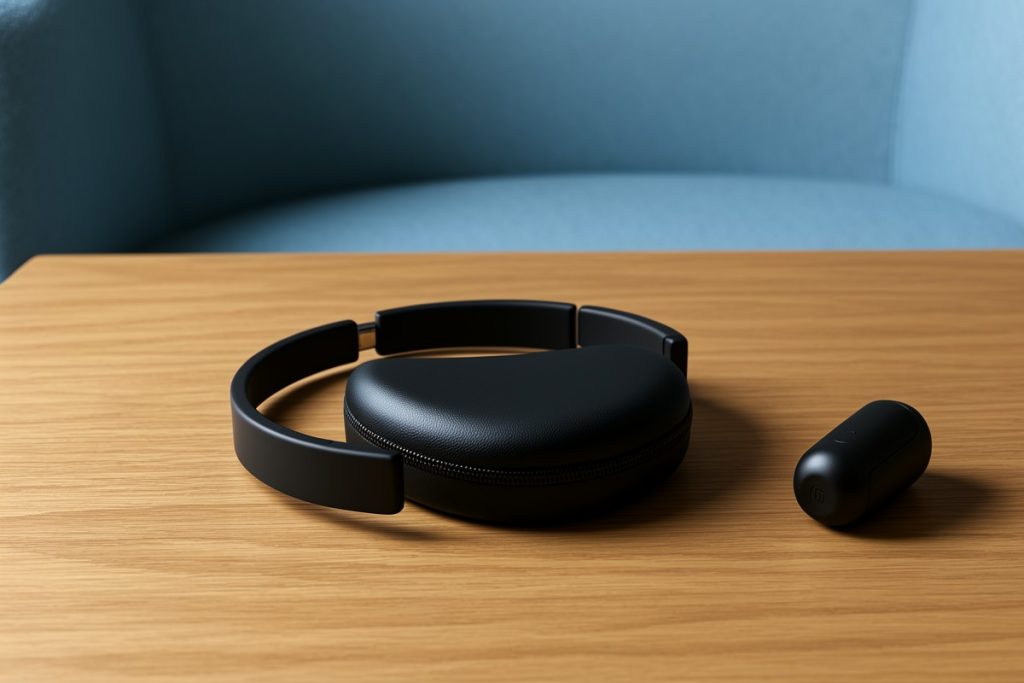
That does not make it the right purchase for everyone. The larger design may be less convenient than earbuds for short errands or active use. You should also consider whether you enjoy wearing a headband for hours, whether ear cups become uncomfortable in warm conditions, and whether the headphones will fit easily in your everyday bag. These are practical trade-offs, not minor details.
Live Translation should also be treated as a compatibility feature rather than a universal guarantee. Before buying for travel or conversations, check the supported iPhone software, language, region, and app requirements. A feature can be valuable and still be unavailable in the exact situation where you expect to use it.
How to compare noise cancellation honestly
Active noise cancellation is important, but the phrase alone does not tell you how a product will feel in real life. Noise varies by environment. A train produces a different challenge from nearby voices, keyboard sounds, wind, or a television in another room. Fit matters too: an imperfect seal can change the experience regardless of the technology inside.
For over-ear headphones, assess whether the ear cups fully surround your ears without pressing painfully. For earbuds, assess whether the supplied ear tips create a stable seal without constant adjustment. If you cannot wear the product comfortably, you will not benefit from its noise-control features for long.
Adaptive Audio may appeal to people who move between quiet listening and awareness of their surroundings. Still, compare how you prefer to control that transition. Some listeners want automatic adjustment; others prefer a simple manual mode they can select themselves. The best choice is the one that matches your habits instead of adding another setting to manage.
Consider recording, calls, and translation separately
Headphones marketed for music are not automatically the best choice for recording. If you plan to record interviews, voice notes, meetings, or translated conversations, ask four questions: Does your iPhone app support the required Bluetooth behavior? Can you monitor audio comfortably? Will background noise affect the recording? Can you operate the controls without interrupting the conversation?
Bluetooth is convenient, but convenience is different from professional studio recording. For casual notes or mobile conversations, wireless headphones may be practical. For critical audio work, compare microphone specifications, app compatibility, latency, and whether a wired or dedicated recording setup is more appropriate. Do not choose solely because a product mentions audio recording.
Spatial audio is another feature that depends on the content and your listening preferences. It may be useful for compatible music, video, or other media, but it should not outweigh fit and daily comfort if most of your listening consists of podcasts, calls, or ordinary stereo tracks.
A practical buying checklist
- Fit: Can you comfortably wear the headphones for the length of your usual journey or work session?
- Noise: Is your main problem engines, voices, wind, or general distraction?
- Movement: Will you use them while exercising, walking, or mostly sitting?
- iPhone features: Are Adaptive Audio, Personalized Spatial Audio, or Live Translation genuinely useful to you?
- Recording: Do you need casual voice capture or dependable audio for important work?
- Portability: Will the headphones fit your bag and travel routine without becoming a nuisance?
If you answer these questions before comparing models, you reduce the chance of paying for features that do not solve your actual problem.
Bottom line: choose the format you will actually use
For an iPhone owner seeking focused listening, active noise cancellation, and Apple-connected features in a full-size design, AirPods Max 2 is a logical over-ear option to investigate. It is less compelling if your priority is the smallest possible travel setup, frequent exercise, or effortless one-handed portability.
The fairest comparison is therefore not “Which headphones have the most features?” It is “Which format fits my day, and which features will I use every week?” Choose over-ear headphones when comfort during longer sessions and immersion lead the list. Choose in-ear earbuds when mobility and convenience matter more. That approach produces a better decision than treating one product as universally best.
Last reviewed: 2026-10-09