
Quick answer
A compact vacuum sealer can make freezer meal prep easier by removing excess air, reducing package bulk, and helping food stay organized. It is most useful for households that portion meat, vegetables, leftovers, or make-ahead meals regularly. Choose one that fits your storage routine, has bags you can replace or reuse safely, and remember that vacuum sealing does not replace refrigeration, freezing, or safe cooking temperatures.
Key takeaways
- Vacuum sealing is useful for portioning freezer meals and limiting air exposure, but it does not make perishable food shelf-stable.
- A compact handheld model makes the most sense when counter space and storage space are limited.
- Reusable bags may reduce recurring waste, but they need careful washing and should not be reused indiscriminately.
- Cool cooked food promptly, refrigerate or freeze it within safe time limits, and label bags with contents and dates at home.
What a compact vacuum sealer actually helps with
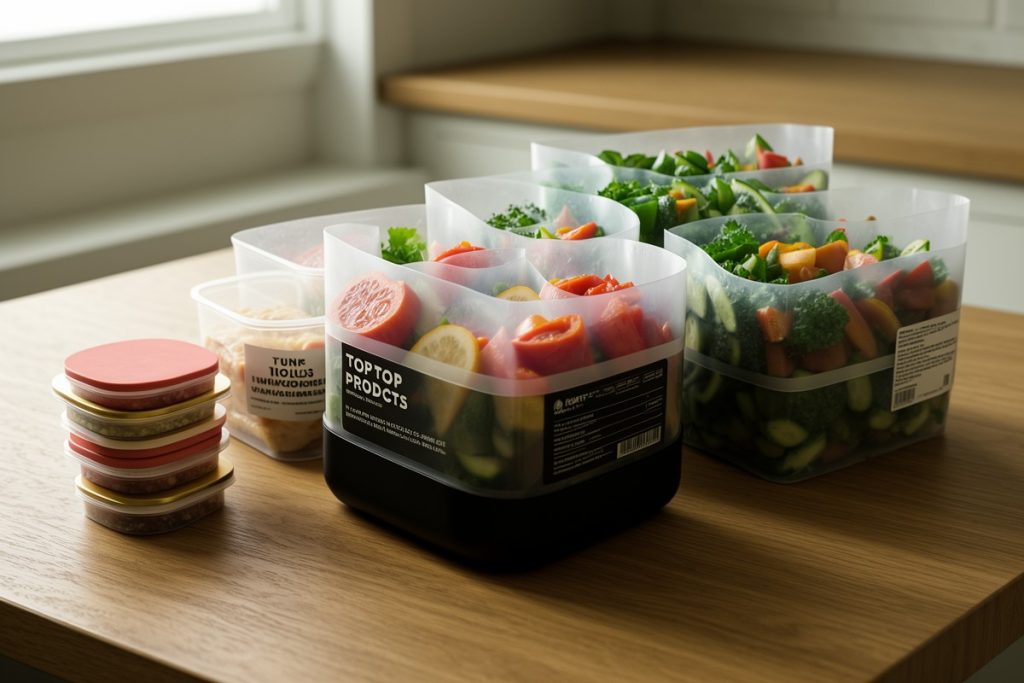
Freezer meal prep often fails for practical reasons rather than ambitious ones. Containers take up too much room, portions become difficult to identify, and loosely wrapped food develops excess ice or gets pushed to the back of the freezer. A vacuum sealer addresses part of that problem by drawing air from a compatible bag and sealing the opening.
That can create flatter, more compact portions for soups, cooked grains, marinated ingredients, vegetables, and certain cuts of meat. It may also help protect food from air exposure that contributes to freezer burn. However, it is important to keep the benefit in proportion: vacuum sealing improves packaging, not food safety. Food still needs to be handled, chilled, frozen, thawed, and cooked correctly.
For a small kitchen, a handheld or compact design can be more convenient than a large countertop appliance. It is easier to store and can suit occasional batch cooking. The trade-off is that a compact device may be less suitable for people who seal many large portions at once or need a high-volume commercial-style workflow.
Who should consider this type of appliance
A compact vacuum sealer is a reasonable fit if you regularly prepare food in portions for one or two people, freeze leftovers, buy ingredients in larger quantities, or pack meals ahead of a busy week. It can be particularly useful when freezer organization matters more than maximum sealing speed.
It may be less useful if you rarely freeze food, mostly store meals in rigid containers, or expect to seal wet foods without first checking the appliance’s instructions. Liquids can be messy because suction may pull them toward the sealing area. Freezing a liquid or semi-liquid food until firm before sealing can be a more manageable approach, but the appliance’s own instructions should take priority.
The Chef Preserve Compact Vacuum Sealer for Food is one option for shoppers looking for a handheld kit with a vacuum sealer and 30 reusable vacuum bags, based on the supplied product listing. Its compact format makes it relevant to small-space meal prep, but this recommendation is based on the stated features rather than hands-on testing. Before buying, confirm that the included bags match your intended foods and that replacement bags or compatible supplies are easy to obtain.
Features that matter more than marketing language
Storage footprint: Measure the cabinet, drawer, or shelf where the appliance will live. A device that is easy to reach is more likely to be used than one that must be unpacked from a crowded cupboard.
Bag compatibility: Check whether the sealer requires a specific bag style, valve, or opening. Reusable bags can be convenient, but they are not automatically suitable for every food or every cleaning method. Look for clear care instructions and consider whether the bag size works for your normal portions.
Moisture handling: If you often seal marinades, cooked vegetables, or juicy foods, look for instructions that explain how the unit handles moisture. A simple dry-food routine may be enough for basic freezer prep, while frequent wet-food use calls for more careful design and technique.
Portion flexibility: The best bag size is the one that matches how you eat. Small bags can help with individual portions, while wider bags may be better for family meals. Avoid filling bags so completely that there is no room to create a reliable seal.
Cleaning and maintenance: Food residue near a suction port or seal can become a nuisance. Favor a design with straightforward cleaning instructions, removable parts where appropriate, and surfaces that can be wiped without disassembling the entire appliance.
A practical freezer-prep checklist
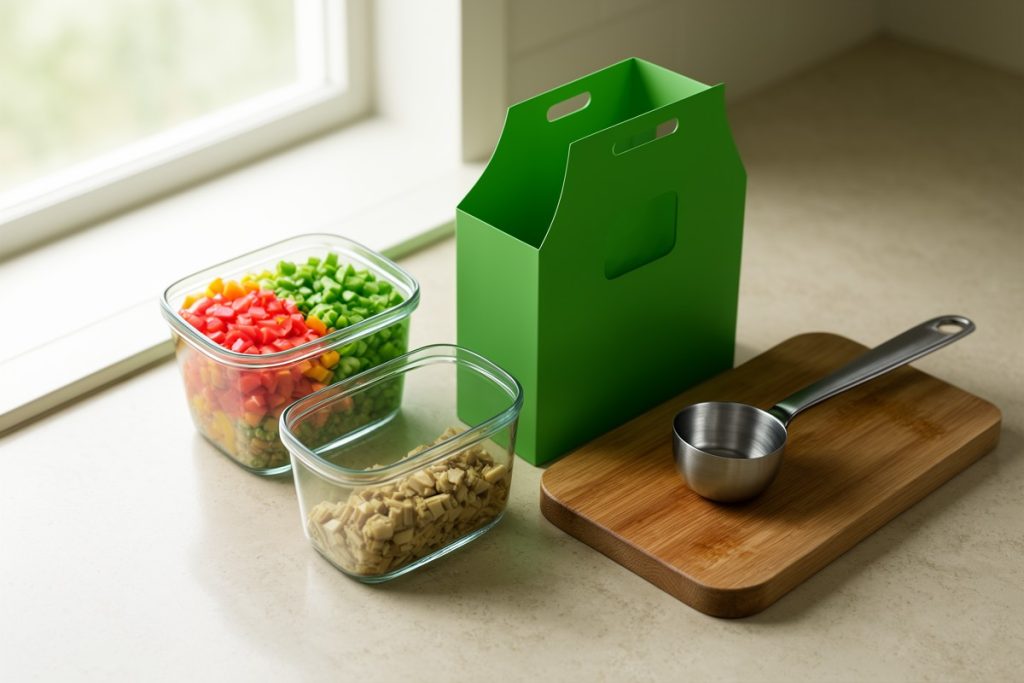
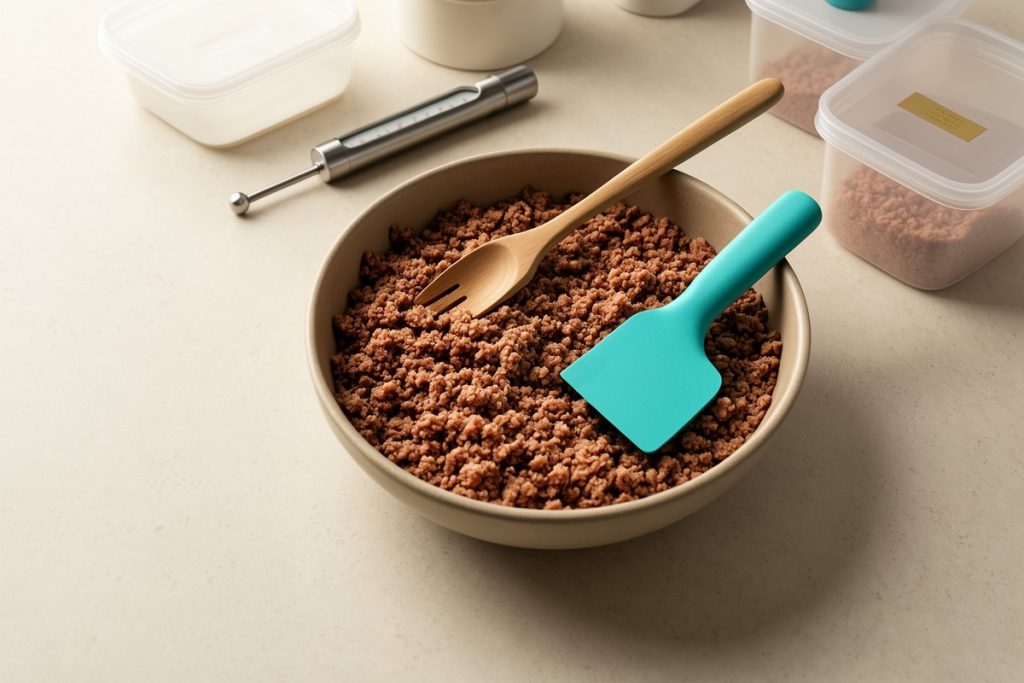
- Cool cooked food promptly instead of sealing it while it is still hot.
- Divide food into portions that will be used in one meal.
- Remove sharp bones or edges that could puncture a bag.
- Freeze especially wet foods until firm before vacuum sealing if the instructions permit it.
- Leave enough space at the opening for a clean seal.
- Keep raw foods separate from cooked foods during preparation.
- Write the food name and date on an external removable note or storage record, not directly on a surface where it could contaminate food.
- Freeze the sealed portions flat when practical, then stack them after they are firm.
Food-safety limits you should not ignore
Vacuum packaging can create a low-oxygen environment, so it should never be treated as a substitute for cold storage. The FDA recommends the basic food-safety sequence of clean, separate, cook, and chill. That means washing hands and surfaces, separating raw meat from ready-to-eat food, using a food thermometer, and refrigerating or freezing perishables promptly.
The FDA advises keeping a refrigerator at 40°F or below and a freezer at 0°F or below. Perishable food should generally be refrigerated or frozen within two hours of cooking or purchasing, or within one hour when the outside temperature is above 90°F. If you are preparing food for children, older adults, pregnant people, or anyone with a weakened immune system, be especially careful about these limits.
For thawing, use the refrigerator, cold water, or microwave rather than leaving food on the counter. Food thawed in cold water or the microwave should be cooked immediately. Vacuum sealing also does not eliminate the need to cook food to a safe internal temperature. Packaging can help with organization and quality, but it cannot correct food that was left warm too long.
How to decide whether it is worth buying
Start with your actual routine. If you freeze several portions each week and dislike bulky containers, a compact sealer may earn its space. If you only freeze food a few times a year, freezer-safe containers or well-designed bags may be simpler and less expensive to manage.
Next, estimate the ongoing effort. Reusable bags can reduce single-use packaging, but they need to be emptied, washed thoroughly, dried completely, and inspected for damage. Bags used with raw meat may require stricter handling than bags used for dry or cooked foods. If cleaning them feels unrealistic, a reusable-bag system may not deliver the convenience you expect.
Finally, judge the appliance by fit rather than by the word “powerful” in a product description. Confirm the included accessories, operating instructions, food compatibility, storage requirements, and return terms before purchase. A modest appliance used consistently can be more valuable than a larger one that is difficult to store or clean.
Last reviewed: 2026-10-09