Quick answer
Cleaning your tongue can be a useful addition to brushing and flossing, especially if you notice a visible coating or morning breath. Use a clean scraper gently from back to front once or twice, then rinse it. Do not press hard or scrape over sores. Persistent bad breath, bleeding, pain, or other symptoms should be checked by a dentist because tongue cleaning cannot treat every cause.
Key takeaways
- Tongue scraping may remove surface coating and odor-causing debris, but it does not replace brushing, fluoride toothpaste, or cleaning between teeth.
- Use light pressure and stop if you feel pain, bleeding, or persistent irritation.
- Choose a smooth, easy-to-clean tool that is comfortable to use; an expensive design is not essential.
- Bad breath that continues for a few weeks, or occurs with dental symptoms, deserves professional advice.
Why clean your tongue?
The tongue has a textured surface that can collect food particles, shed cells, and bacteria. That buildup is often more noticeable as a pale or yellowish coating, particularly after sleep. Some bacteria produce sulfur-containing compounds that contribute to unpleasant breath, so gently cleaning the tongue may help reduce odor for some people.
That benefit has limits. Bad breath can also be linked to plaque, gum disease, tooth decay, dry mouth, tobacco use, certain foods, medication, or a health condition outside the mouth. A scraper addresses only material on the tongue’s surface. It cannot remove tartar, repair a cavity, treat gum disease, or diagnose the reason for ongoing odor.
The foundation remains simple: brush teeth twice daily with fluoride toothpaste, clean between teeth regularly, drink enough fluid for your needs, and attend dental checkups. Tongue cleaning is best viewed as a small optional step in that routine rather than a replacement for it.
Scraper, toothbrush, or no extra tool?
You do not need a specialized device to keep your tongue clean. The best choice is the one you can use comfortably and consistently without irritating the tissue.
| Option | When it may suit you | What to watch for |
|---|---|---|
| Tongue scraper | You want a dedicated tool for removing surface coating | Use light pressure and clean it after each use |
| Toothbrush | You prefer one familiar tool for your whole mouth | Aggressive brushing can irritate the tongue |
| No extra tool | Your tongue is comfortable and breath is not a concern | Continue brushing and cleaning between teeth |
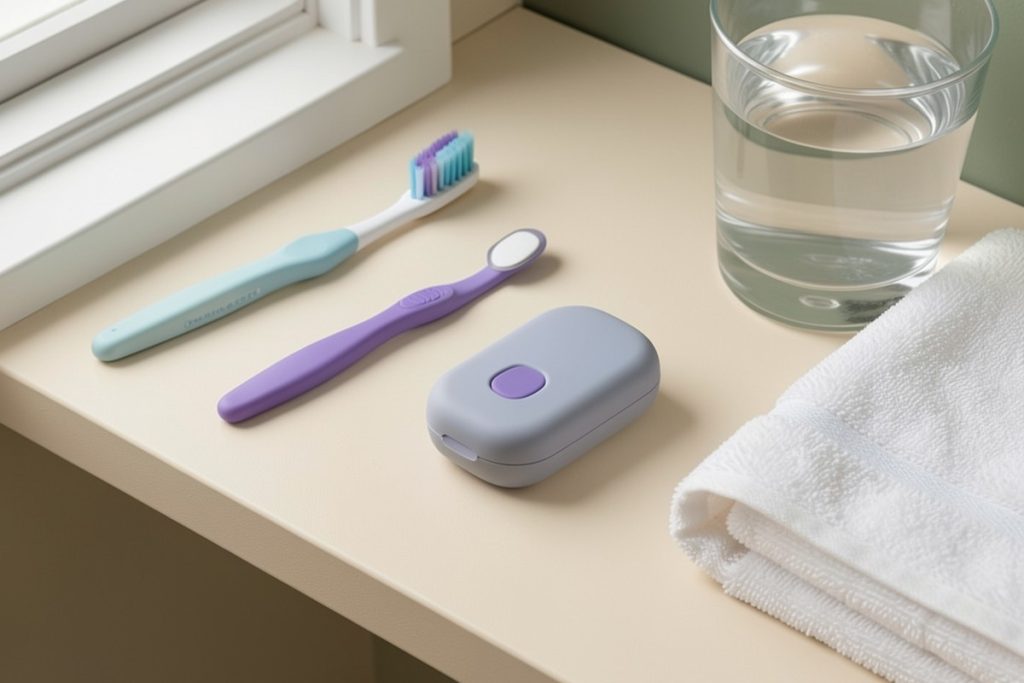
If a dedicated scraper fits your routine, the Tongue Scraper with Case Easy to Use Tongue Scraper for Adults, Tongue Cleaner for Oral Care & Hygiene (Single Pack (with Travel Case)) is one practical type to consider. Its travel case may make storage easier away from home. Before choosing any scraper, check that the edge feels smooth, the size is manageable, and the tool can be rinsed and dried thoroughly. There is no need to assume that a particular design will work better for everyone.
How to use a tongue scraper without irritating your mouth
Start with a clean tool and a relaxed mouth. You can use a scraper before or after brushing, depending on what feels most comfortable. Many people prefer doing it during their morning oral-care routine, when coating and dry-mouth sensations may be more noticeable.
- Rinse the scraper. Remove any dust or residue before it touches your mouth.
- Extend your tongue comfortably. Do not force it far out or push the tool toward the throat.
- Place the scraper where it feels comfortable. Begin closer to the middle of the tongue if reaching the back triggers gagging.
- Pull forward gently. Use one slow stroke from back toward the tip. Let the tool do the work; pressure should be light, not painful.
- Rinse between passes. One or two passes are usually enough. Repeated scraping will not necessarily produce a better result.
- Clean and dry the tool. Rinse it thoroughly, follow any care instructions, and store it dry. Do not share it with another person.
A little sensitivity at first can happen if you are unfamiliar with the motion, but pain is a signal to stop. The tongue is delicate tissue, and more force is not a sign of better hygiene.
Common mistakes that make tongue cleaning worse
Scraping too hard: Pressure can leave the tongue sore and may cause bleeding. A clean tongue does not need to look perfectly pink after every pass.
Going too far back: The rear of the tongue can trigger gagging. Work gradually toward that area rather than forcing the scraper to the farthest point.
Using a dirty or damaged tool: Rinse the scraper after use and replace it if it develops cracks, rough edges, or other damage. A travel case is useful only when the tool is clean and reasonably dry before storage.
Ignoring the rest of your routine: Scraping cannot remove hardened deposits or clean between teeth. Skipping those steps while focusing on the tongue leaves important sources of oral problems unaddressed.
Trying to scrape away a persistent patch: A coating, sore, lump, or color change that does not clear should not be aggressively scrubbed. Arrange an assessment with a dentist or clinician instead.
A simple tongue-cleaning checklist
- Use a smooth, clean scraper or a soft toothbrush.
- Start with one gentle stroke and add only one more if comfortable.
- Rinse the tool after each pass and clean it after use.
- Keep brushing twice daily and cleaning between teeth.
- Stop if there is pain, bleeding, or ongoing irritation.
- Book dental advice if bad breath persists despite consistent care.
When bad breath needs more than a scraper
See a dentist if unpleasant breath continues for a few weeks despite good oral care, or if you have bleeding or swollen gums, toothache, loose teeth, a persistent mouth sore, or a patch that does not heal. These symptoms can point to a problem that requires examination rather than more vigorous cleaning.
Dry mouth can also make breath worse. Review possible contributors with a clinician or pharmacist, particularly if symptoms began after starting a medicine. Seek prompt medical care for severe swelling, trouble swallowing, difficulty breathing, or rapidly worsening pain.
The most realistic goal is not permanently breath-free mornings. It is a comfortable, repeatable routine that supports the basics of oral hygiene without damaging the tongue. If gentle cleaning helps you feel fresher, it can earn a place in your routine. If it causes discomfort or does not change persistent odor, stop experimenting and find the underlying cause.
Last reviewed: 2026-11-13