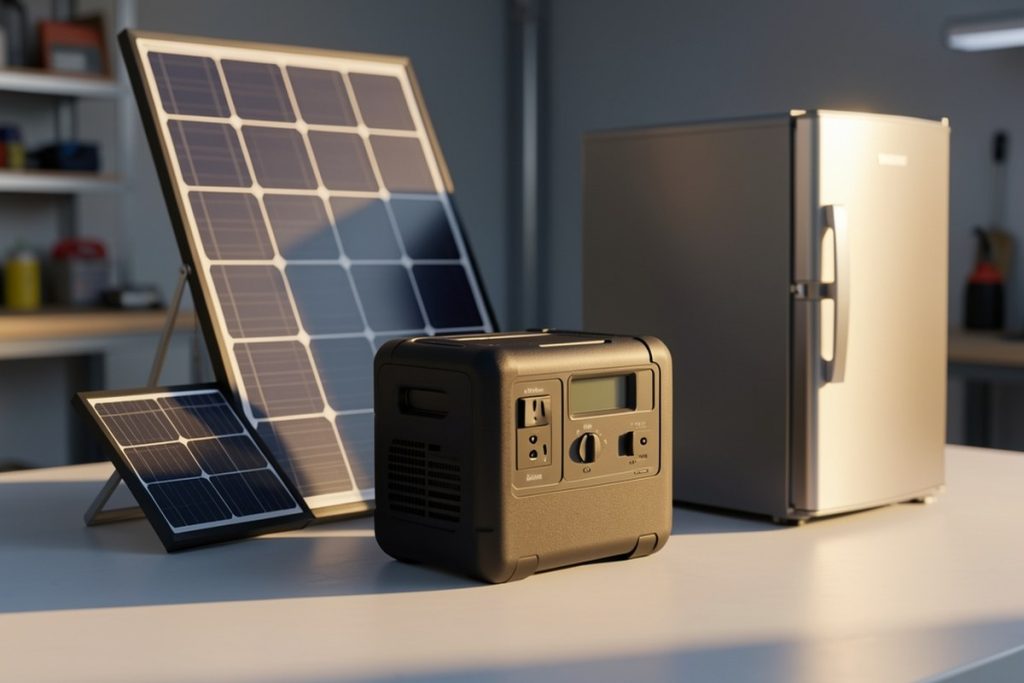

I’ve spent years in the renewable energy space, and I still watch weekend campers overspend on power stations built to run refrigerators—only to use them twice a year to charge a phone and a headlamp. If your trips involve tents, trailers, or basic RV setups rather than full off-grid kitchens, you probably don’t need a 50-pound beast. A compact solar generator that prioritizes portability over raw output usually makes more sense.
Match the Machine to the Mission
Before you buy, be honest about what you’re actually powering. Medical devices or CPAP machines demand serious capacity and a quality inverter. But if you just need to keep smartphones, camera batteries, lanterns, and a small fan going, a lightweight unit with a modest watt-hour rating and a bundled solar panel will save your back and your budget.
What to Look For in a Compact Unit
First, consider capacity versus convenience. An AC outlet is still useful in smaller units, so you aren’t limited to USB-only devices. A bundled solar panel removes the guesswork of matching panel wattage to the station’s charge input. And pay attention to surge rating—that brief peak capacity determines whether a small appliance will trip the internal safety switch on startup.
A Balanced Option for Light-Duty Use
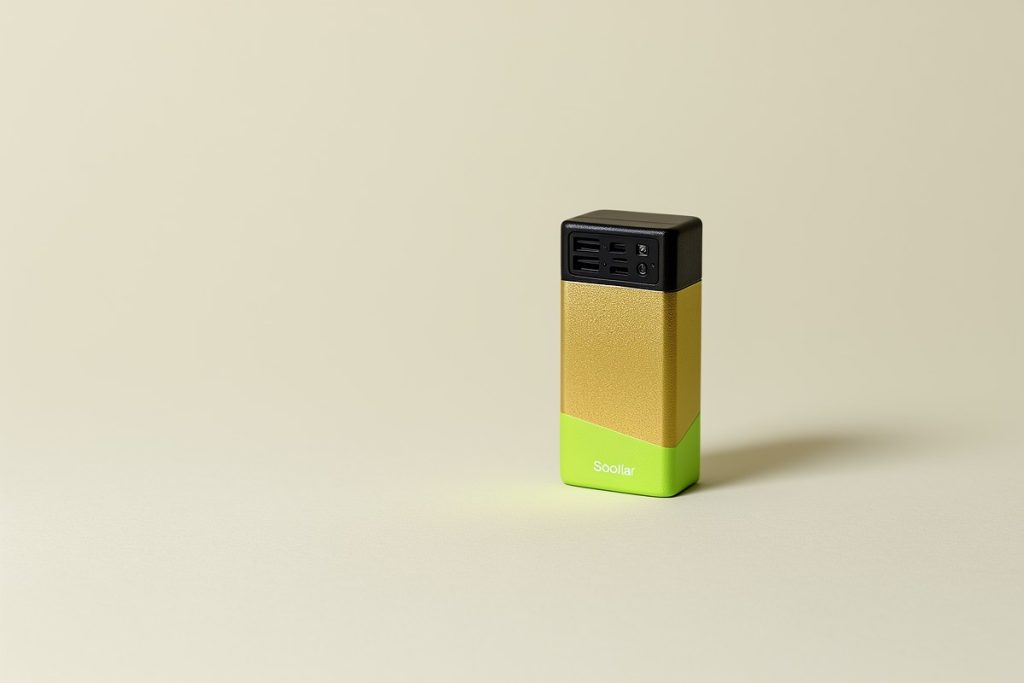
For campers who want an affordable, all-in-one package, the MARBERO Solar Powered Generator 88Wh with 25W Solar Panel Kit is worth a look. You can view it here: https://amzn.to/3UbeEck.
This is not a whole-home backup solution, nor is it designed to run high-draw appliances. Its 88Wh capacity and 120W surge rating are aimed squarely at small electronics—think charging GPS units, running a compact camp light, or keeping communication devices alive during a weekend off the grid. Because the folding panel is included, you can recharge during the day without hunting down compatible accessories.
Field Tips to Keep You Powered
Always top off the unit from a wall outlet before you leave home. Solar charging is excellent for sustaining power, but it is weather-dependent. Angle the panel perpendicular to the sun and move it every few hours if possible. When you can, charge devices directly from DC ports rather than using the AC inverter, since inversion consumes extra energy.
The Bottom Line
Solar power should simplify your time outdoors, not complicate it. Buy for the trip you actually take, not the hypothetical one where you’re running a blender in the backcountry. A compact solar generator keeps your essential gear alive without turning your campsite into an electrical substation.