
Quick answer
Magnesium bath flakes may make a warm soak feel relaxing and can be a reasonable comfort tool after ordinary exercise soreness. They are not a proven way to correct magnesium deficiency, because evidence that meaningful amounts cross intact skin is limited. Use them for the bath experience—not as a substitute for food, medical treatment, sleep, or a clinician’s advice about persistent or severe pain.
Key takeaways
- Warmth, rest, and relaxation likely explain more of the immediate relief than magnesium entering the body through skin.
- Magnesium chloride flakes are chemically different from Epsom salt, which is magnesium sulfate.
- A comfortable, non-scalding soak can fit into recovery, but follow package directions and stop if your skin stings or becomes irritated.
- Severe pain, major swelling, weakness, or dark urine after exercise needs medical attention, not a bath.
By Dr. Priya Sharma, Evidence-Based Health Expert
What magnesium bath flakes actually are
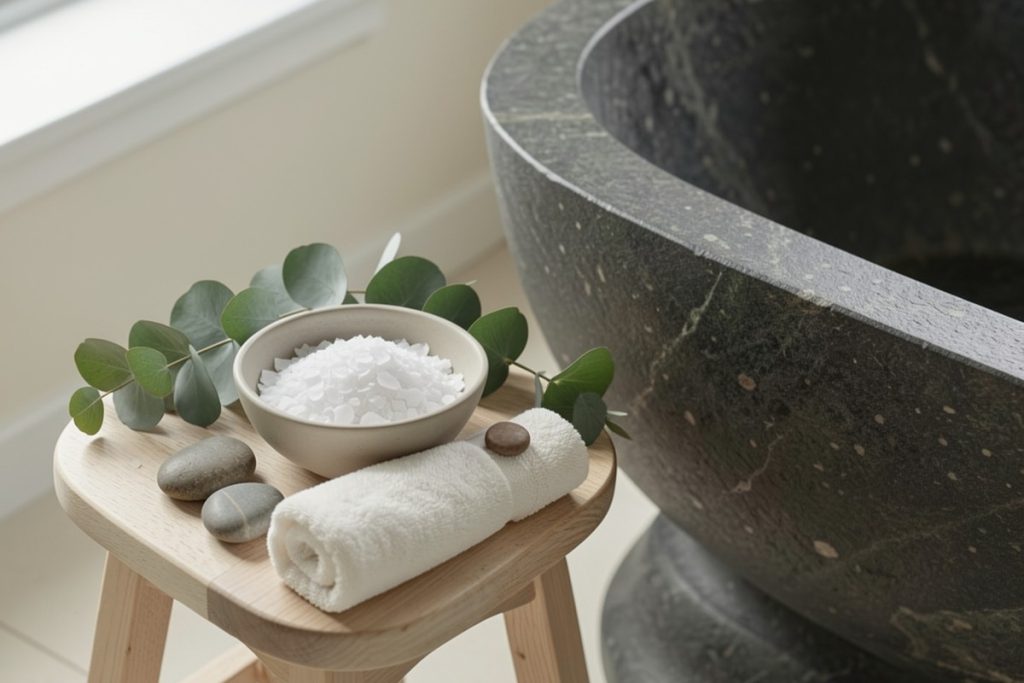
Magnesium bath flakes are usually crystals of magnesium chloride that dissolve in water. Epsom salt is magnesium sulfate, so “Epsom salt alternative” describes a different compound rather than a stronger version of the same product. Once dissolved, both create a mineral bath; neither should be treated as a drink or an oral magnesium supplement.
The important distinction is between feeling better after a bath and replenishing the body’s magnesium stores. Warm water can relax you, reduce the feeling of stiffness, and create a useful pause after activity. Those effects may be genuine, but they do not prove that magnesium has passed through the skin in a clinically meaningful amount.
Can magnesium flakes relieve sore muscles?
A warm bath may temporarily make sore muscles feel more comfortable. Heat can help you relax, and taking time away from strenuous activity may reduce the sense of tension. The bath itself may also become a useful recovery cue, particularly when paired with gentle movement, adequate sleep, and a regular evening routine.
However, the evidence for “transdermal” magnesium—magnesium absorbed through the skin—is limited. A peer-reviewed review of topical magnesium studies identified substantial gaps in study quality and concluded that the available evidence was not strong enough to establish that sprays, creams, or baths correct magnesium deficiency.
That does not mean a soak is pointless. It means the most defensible claim is that a warm mineral bath can be a relaxing comfort measure. It should not be marketed or understood as a reliable way to replace magnesium lost through exercise or to treat a diagnosed deficiency.
What magnesium does in the body
Magnesium is an essential mineral involved in nerve function, muscle contraction, energy production, and bone health. The National Institutes of Health Office of Dietary Supplements lists leafy greens, beans, nuts, seeds, and whole grains among useful dietary sources.
If you are concerned about low magnesium, start by reviewing your diet and symptoms with a healthcare professional. Muscle cramps, fatigue, weakness, or twitching can have many possible causes, including dehydration, medication effects, overtraining, nerve problems, or other medical conditions. A bath cannot identify the cause.
For most people, a balanced diet is the sensible foundation. An oral magnesium supplement may be appropriate in some situations, but the dose and form matter, and supplements can interact with medicines or cause diarrhea. Do not use bath flakes as a substitute for medical advice about a suspected deficiency.
When a magnesium-flake soak may be worth trying
A soak makes the most sense when your goal is temporary comfort: easing the feeling of tightness after a normal workout, creating a calming transition into the evening, or giving yourself a low-effort recovery ritual. It is optional, not essential. Light movement, adequate sleep, regular meals, and a gradual training plan usually matter more to recovery than the bath additive.
If you want to try a magnesium-chloride product, Ancient Minerals Magnesium Bath Flakes is one option. Its large format may suit someone who takes baths regularly, while someone who rarely soaks may prefer to begin with a smaller amount of any product. Check the ingredient list and directions rather than assuming that “magnesium” guarantees a particular health effect. Do not purchase it specifically to treat suspected deficiency without discussing that concern with a clinician.
Bath flakes versus other approaches to soreness
| Goal | First-line approach | What a soak can add |
|---|---|---|
| Post-workout stiffness | Gentle movement, sleep, food, and fluids | A warm, relaxing recovery ritual |
| Evening wind-down | Consistent bedtime and reduced stimulation | A calming transition before bed |
| Possible magnesium deficiency | Review diet and symptoms with a clinician | No established substitute for assessment or treatment |
| Sharp or worsening pain | Stop the activity and consider medical evaluation | May distract from a problem that needs attention |
Warm bathing may also support an evening wind-down. A systematic review found that passive body heating through a warm shower or bath before bedtime may help some people fall asleep more easily. Any sleep benefit should not automatically be credited to the magnesium flakes themselves; warmth, timing, and relaxation may be the more relevant factors.
How to use magnesium bath flakes safely
- Read the package directions and begin conservatively, especially if you have never used the product. Use comfortably warm water, not water hot enough to make you flushed or lightheaded.
- Dissolve the flakes fully, avoid swallowing bath water, and keep the solution away from your eyes. External use does not make a product appropriate for oral use.
- Do not soak open cuts, freshly shaved irritated skin, or an active skin flare. Stop and rinse if you notice burning, itching, a rash, or worsening dryness.
- Get out slowly. Heat can make some people dizzy; sit down, cool off, and drink water if you feel faint.
- Ask a healthcare professional first if you have kidney disease, are pregnant, are preparing a bath for a child, or take medicines that affect fluid balance or magnesium. Advice depends on your health, medications, and water temperature as well as the flakes.
When muscle soreness needs medical attention
Ordinary delayed-onset muscle soreness tends to feel diffuse, appears hours after unfamiliar or harder exercise, and gradually improves over several days. A bath may make it feel more manageable, but it will not repair a torn muscle or diagnose the cause of pain.
Be more cautious when pain is sharp, localized, accompanied by swelling or bruising, or begins suddenly during one movement. Seek prompt medical advice for pain that is severe, worsening, or stopping you from using the limb. Dark, cola-colored urine, unusual weakness, or substantial swelling after strenuous exercise can signal a serious problem and warrants urgent care.
The bottom line
Magnesium bath flakes are best viewed as an optional relaxation and comfort aid. The warmth, quiet, and time away from activity may help you feel less tense, but current evidence does not show that soaking reliably delivers enough magnesium through intact skin to correct a deficiency. If you enjoy the ritual, use it safely and keep your expectations modest.
For recurring soreness, address training load, sleep, nutrition, and technique. For suspected low magnesium or unexplained pain, get individualized medical advice instead of relying on a bath to solve the underlying issue.
Last reviewed: 2026-08-31
Sources
- Magnesium — Health Professional Fact Sheet, National Institutes of Health Office of Dietary Supplements
- Transdermal Magnesium: A Review, Nutrients
- Before-bedtime passive body heating by warm shower or bath to improve sleep: A systematic review and meta-analysis, Sleep Medicine Reviews