
Quick answer
A fall pantry reset clears out summer condiments and snack foods to make room for root vegetables, baking supplies, and hearty grains. By grouping items by meal type, checking expiration dates, and using open-front wire baskets for heavy produce, you create accessible storage that supports seasonal cooking through the holidays.
Key takeaways
- Late summer is the ideal window to purge expired items and deep-clean shelves before fall cooking ramps up.
- Grouping pantry goods by meal category (breakfast, soup, baking) saves time during busy weeknights.
- Sturdy wire baskets keep heavy fall vegetables and bulky bags upright and visible so nothing rots in the back.
- Transparent containers and “first in, first out” rotation prevent duplicate purchases and food waste.
- A 15-minute weekly check-in maintains order from September through New Year entertaining.
Why Late Summer Is the Perfect Window for a Pantry Reset
September sits at a natural crossroads. The light changes, school schedules return, and holiday entertaining looms just weeks away. Your pantry, however, is likely still holding the debris of summer: half-empty bags of marshmallows, sticky barbecue sauces, and impulse-buy snacks from road trips. If you wait until mid-October, you will be juggling Halloween candy, bulk pumpkin purchases, and Thanksgiving prep on top of a mess. The cognitive load of cooking in a cluttered space adds stress to weeknights that are already shortened by early sunset.
Resetting now gives you a clean baseline before the seasonal rush. It also aligns with the harvest cycle. Local apples, winter squash, and root vegetables are entering markets, and a cleared pantry means you have room to buy in bulk when prices drop. A late-August or early-September reset further lets you assess what storage tools actually fit your space before holiday sales seduce you into buying mismatched bins. You can measure shelf depths, note where lids have gone missing, and identify exactly how many baskets or containers you need rather than guessing. The goal is not Instagram perfection; it is functional zoning so you can grab ingredients for soup or apple crisp without knocking over three bottles of salad dressing.
Step-by-Step Fall Pantry Organization
Start by emptying one shelf at a time rather than pulling everything out at once. This prevents overwhelm and keeps perishables off the counter for too long. As you remove items, check dates against USDA food storage guidelines. “Best by” dates on dry goods indicate quality, not safety, but if a spice smells like dust or a cracker bag is full of broken crumbs, let it go.
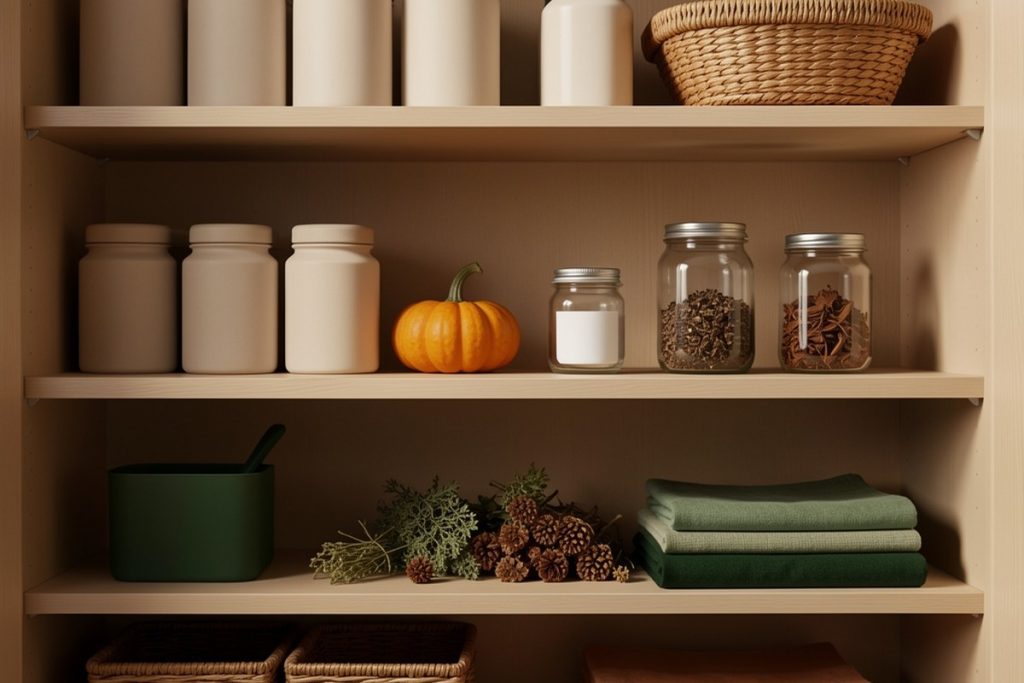
Once a shelf is empty, wipe it with warm water and mild dish soap, then dry it thoroughly. Moisture is the enemy of dry goods, and even a damp corner can turn a bag of flour into a brick within days. Next, sort what remains into broad categories that match your fall routine: breakfast grains, soup and stew bases, baking supplies, pasta and rice, snacks, and oils or vinegars. Think about workflow. If you bake bread every Sunday, keep yeast and bread flour on the same shelf near the honey and olive oil. If Monday means slow-cooker soup, cluster broth, beans, diced tomatoes, and dried herbs within one reach.
Use this checklist to keep the process on track:
- Remove everything from shelves and drawers.
- Check expiration dates and quality; discard or compost as needed.
- Wipe shelves with warm soapy water and dry completely.
- Donate unexpired summer items your family will not finish.
- Sort remaining goods by meal category, not brand or size.
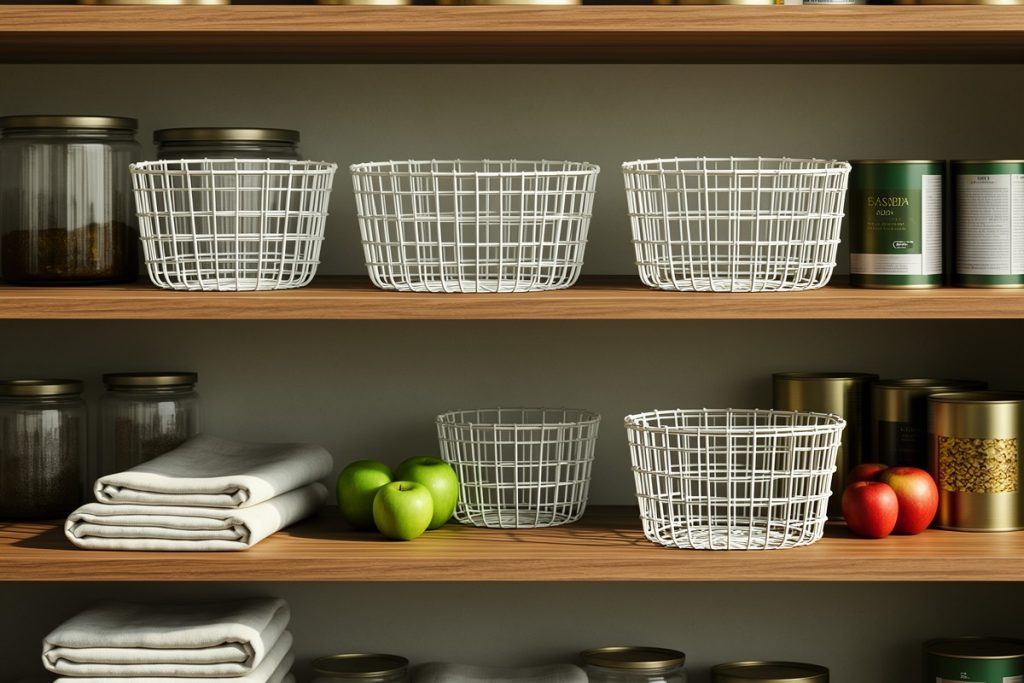
- Place heavy fall produce and bulk bags in open-front wire baskets.
- Transfer loose flour, sugar, and grains to transparent airtight containers.
- Create a “use first” shelf for items nearing expiration.
Rotating Seasonal Stock Without Waste
The biggest mistake in seasonal pantry swaps is treating them like one-way dumps. Shoving summer stock into a dark corner guarantees you will find a fossilized bottle of ketchup next spring. Instead, practice a simple first-in, first-out rotation. Move older cans and boxes to the front as you restock with fall favorites behind them.
Be realistic about what your household actually eats in cooler months. If no one in your home eats butternut squash soup, do not buy ten cans just because they are on sale. Likewise, stock heavy on the grains and legumes that anchor your weekly menu—farro, lentils, black beans—and treat specialty items like canned chestnuts or exotic baking extracts as limited-edition guests rather than permanent residents. Allocate prime real estate, eye-level center shelves, to ingredients you reach for daily: oats, broth, beans, and pasta. Seasonal extras like canned pumpkin or specialty baking chips can live on higher shelves or in labeled bins.
Transparent containers help you see volume at a glance. When you can spot that you already own two pounds of brown rice, you avoid duplicate purchases during busy November grocery runs. Choose square or rectangular containers over round ones; they tessellate on shelves and waste no space. A roll of masking tape and a permanent marker work just as well as a label maker; simply write the contents and the month you opened the package. If you want to be precise, add the purchase date so you can track how quickly your household moves through staples before the next bulk shopping trip.
Heavy-Staple Storage That Holds Up
Fall cooking relies on heavy, bulky ingredients: five-pound bags of potatoes, winter squash, onions, large cans of pumpkin puree, and oversized sacks of oats. These items quickly overwhelm shallow shelves and flimsy bins, collapsing cardboard corners and hiding produce where it can sprout or rot. Wire baskets allow air circulation around onions and garlic, which extends their shelf life compared to plastic tubs that trap humidity.
Open-front wire baskets solve the weight and visibility problem simultaneously. The grid construction supports bulky loads, and the low front profile lets you spot the last onion or can of stock without unstacking containers. For a complete pantry overhaul, a uniform set keeps the aesthetic cohesive across multiple shelves.
A six-piece set of stackable wire baskets in graduated sizes—two XX-large, two X-large, and two large—offers flexible layout options for standard pantry shelving. You can view the collection here: https://www.amazon.com/dp/B09LCQYQG4?tag=getwitty-20. Before ordering, measure your shelf depth and height clearance to ensure a clean fit.
A Simple Weekly Habit to Protect Your Work
A full pantry reset can take two hours, but maintaining it takes fifteen minutes a week. Set a recurring weekend reminder—perhaps Sunday evening while the coffee brews—to scan for out-of-place items, wipe any spills, and update your running grocery list based on what looks low. Rotate the “use first” shelf forward and note which categories are shrinking faster than expected. If you hosted a busy weeknight, spend an extra two minutes returning baskets and containers to their zones rather than leaving them on the counter.
When you bring home new fall ingredients, stick to the one-in, one-out rule for specialty items. If you buy a new jar of molasses for gingerbread, finish or donate the old one. This prevents the bloat that turns an organized pantry back into a storage closet. By the time holiday baking begins, you will have a system that supports creativity instead of hiding the cinnamon.
Sources
Last reviewed: 2026-08-10