
Quick answer
For digital nomads, a comfortable laptop setup starts with a stable surface, usable screen height, supported feet, and regular movement. Choose the best table available before working from a bed or sofa. When no suitable table exists, a portable lap desk can create a flatter, more dependable surface, but it does not replace a proper workstation or external keyboard for longer sessions.
Key takeaways
- Use a table and chair whenever one is available; treat lap work as a backup.
- Raise the laptop screen when possible, then use a separate keyboard and mouse.
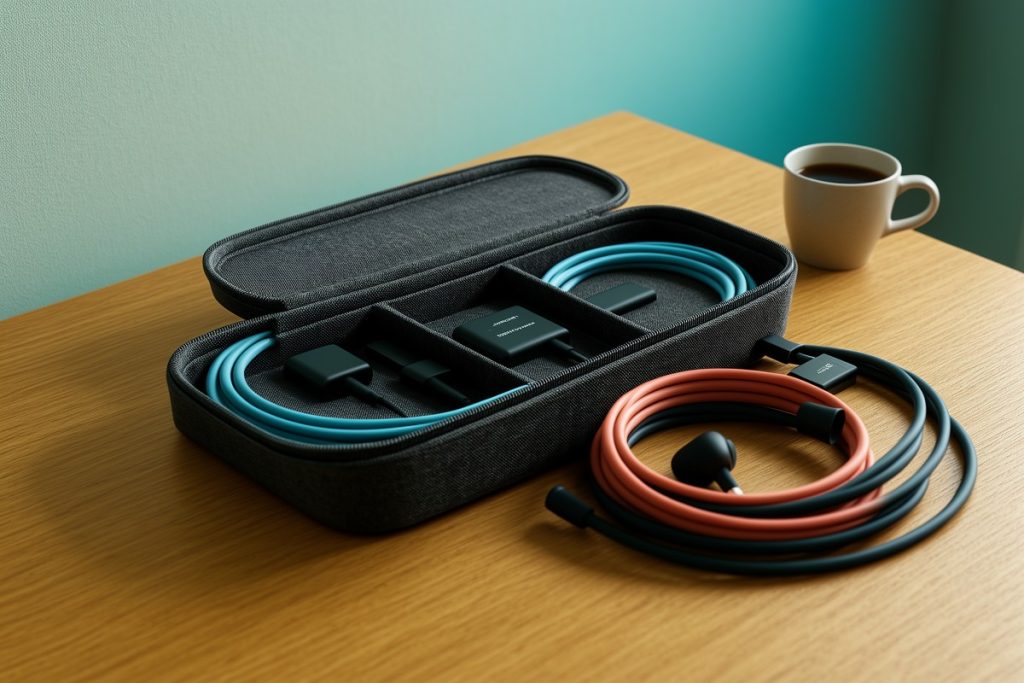
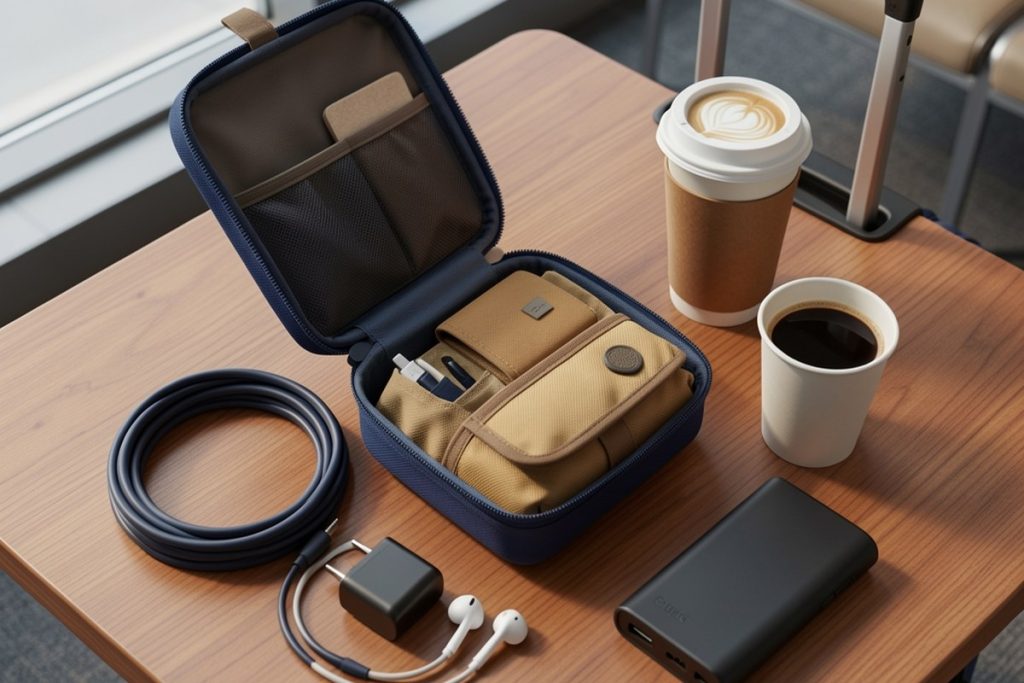
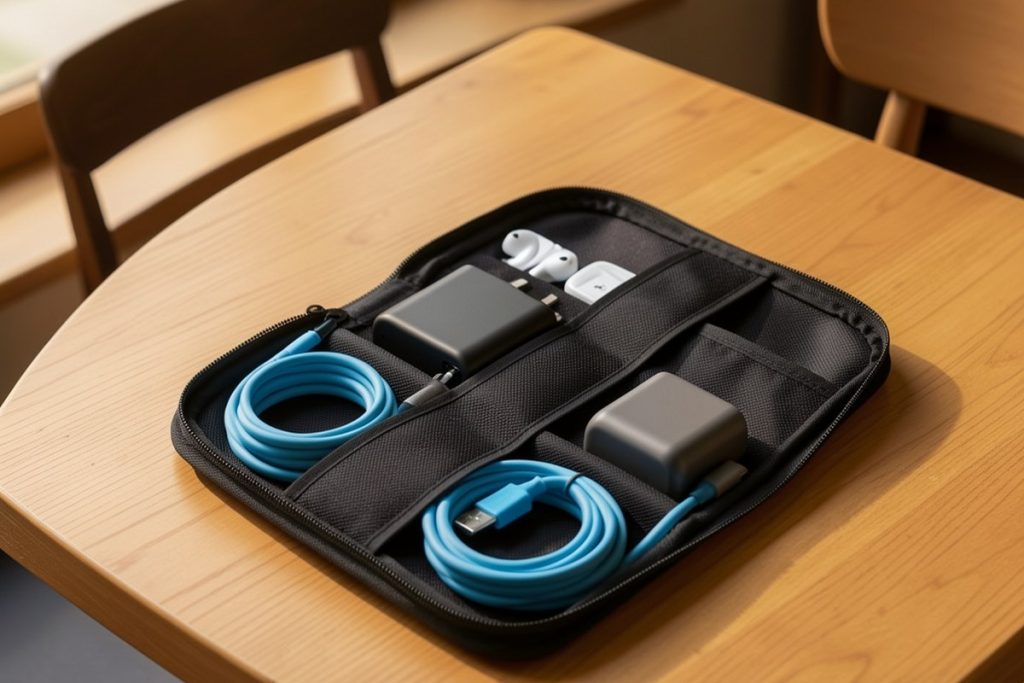
- Keep chargers, headphones, and input devices together so setup takes minutes, not half an hour.
- Choose gear that solves a specific travel problem without overloading your bag.
Why laptop work becomes uncomfortable on the road
Digital nomad workspaces fail in predictable ways. A hotel desk may be too low, a café table may be crowded, or an apartment may offer only a soft sofa and a narrow coffee table. Airports add another challenge: you may find a power outlet but no usable surface nearby.
The laptop itself creates a built-in compromise. If the screen is high enough for comfortable viewing, the keyboard may be too high for relaxed shoulders and wrists. If the keyboard sits at a comfortable height, the screen often forces you to look downward. The goal is not to achieve a perfect office setup everywhere. It is to identify the least awkward arrangement available and change position before discomfort becomes the reason you stop working.
OSHA’s computer workstation guidance emphasizes adjustable positioning, neutral posture, and arranging frequently used equipment within easy reach. Those principles still apply when your “office” is a guest room, coworking lounge, or rental kitchen.
Build a workable travel setup in five minutes
- Survey the room first. Look for the most stable table, the best chair, an accessible outlet, and enough light to work without squinting. A plain dining table is usually a better starting point than a bed, even if the view is less appealing.
- Put the screen in a sensible position. Place the laptop directly in front of you and close enough that you are not leaning toward it. If the screen is low, raise the laptop with a stand or another stable surface. Do not use anything that wobbles, blocks ventilation, or could spill onto the device.
- Fix the keyboard problem. Once the screen is raised, the built-in keyboard may no longer be comfortable. A small external keyboard and mouse let you keep the screen higher while your hands remain closer to desk height. If you do not have those accessories, lower the laptop and shorten the work session instead of forcing an awkward reach.
- Support your lower body. Keep both feet on the floor when possible. If the chair is too high, use a firm bag or footrest rather than letting your feet dangle. Keep your shoulders relaxed and avoid twisting toward a second monitor, outlet, or notebook.
- Plan movement into the workday. Save calls, reading, and lighter tasks for different locations when possible. Stand up during a natural pause, refill water, or take a short walk between work blocks. A good setup reduces strain; it does not make staying still all day a good idea.
Choose the right setup for the location
| Location | Best starting point | Useful adjustment |
|---|---|---|
| Hotel or rental desk | Desk and chair with the laptop centered | Raise the screen and add an external keyboard for longer work |
| Bed or sofa | Lap desk only for short, occasional tasks | Move to a firm table as soon as one becomes available |
| Café | Stable table away from the busiest walkway | Keep the charger and mouse close so cables do not cross the floor |
| Airport lounge | Small table or counter near power | Use headphones and work in shorter blocks with frequent posture changes |
When a portable lap desk earns space in your bag
A lap desk is most useful when the alternative is a soft or uneven surface. It gives the laptop a defined platform on a sofa, window seat, or bed and can make a short email session feel more controlled than balancing the computer directly on your legs. It is also useful for travelers who move between rooms and do not want to rebuild a workspace from random books, trays, or cushions.
One option to consider is the LAPGEAR Portable Laptop Lap Desk – Espresso Woodgrain, Fits 15.6" Laptops. Its stated fit makes it relevant for nomads carrying a laptop up to 15.6 inches, while the espresso woodgrain finish is suited to a home, hotel, or café setting. The practical benefit is simple: a portable lap desk can provide a steadier working base when there is no proper desk.
That recommendation has clear limits. A lap desk does not automatically place the screen at eye level, provide back support, or turn a bed into an ergonomic workstation. It may also be less comfortable during long sessions because your legs and posture still have to support the setup. Think of it as a contingency tool, not a reason to work from the least supportive surface every day. For regular work, pair it with an external keyboard and mouse when you can, or relocate to a table.
Pack a small kit instead of a full office
The best digital nomad gear earns its place by solving more than one recurring problem. Before adding another accessory, ask whether it improves your setup in hotels, cafés, and transit spaces—or only in one highly specific scenario.
- Work surface: portable lap desk or compact laptop stand, depending on where you usually work.
- Input devices: small keyboard and mouse for sessions where the laptop screen needs to be raised.
- Power: laptop charger, the correct travel plug, and a short extension cable if accommodations place outlets awkwardly.
- Focus: headphones, a small timer, or another lightweight cue that helps separate work from travel time.
- Backup plan: know the nearest coworking space, library, or quiet café before you need one.
Make the setup repeatable
Consistency matters more than recreating your home office perfectly. Use the same order each time: find the surface, connect power, position the screen, arrange the keyboard, check your feet, and clear unnecessary items. That routine makes it easier to notice what is missing and prevents five minutes of setup from becoming twenty minutes of adjustment.
Also separate “comfortable enough for thirty minutes” from “suitable for a full workday.” A lap desk, café table, or airport counter may work well for messages, planning, or a video call. Deep writing, editing, and spreadsheet work deserve the most supportive chair and surface you can find. When your body starts compensating—rounded shoulders, raised elbows, a bent neck, or frequent repositioning—that is useful information. Change the setup rather than treating discomfort as part of the nomad lifestyle.
A portable workspace should give you freedom without making every destination feel like a compromise. Choose one dependable surface, carry only the accessories that solve real problems, and use movement and location changes as part of your work system.
Last reviewed: 2026-09-07
Sources
- Computer Workstations eTool — Occupational Safety and Health Administration guidance on workstation arrangement and neutral positioning.
- Elements of Ergonomics Programs — National Institute for Occupational Safety and Health resource on identifying and reducing ergonomic risks.