Quick answer
Pack a winter car emergency kit around four needs: warmth, visibility, basic first aid, and getting help. Add a blanket, gloves, flashlight, charger, water, snacks, scraper, traction aid, and weather-appropriate clothing, then keep small supplies together in a removable organizer. Store heavier equipment securely, check the forecast before leaving, and refresh the kit at the start of every cold-weather season.
Key takeaways
- Build for a delay or breakdown, not just a minor roadside inconvenience.
- Separate quick-grab items from supplies you may need only after stopping safely.
- Keep personal medicines in their original containers and do not leave temperature-sensitive items in the car without professional guidance.
- Check batteries, food, water, clothing, and seasonal weather gear before each winter travel period.
Last reviewed: 2026-11-23
Build for the first hour of a winter delay
A winter car emergency kit should help you stay warm, visible, hydrated, and able to communicate while you wait for roadside assistance or changing conditions. It is not a replacement for vehicle maintenance, safe driving, or a plan to turn around when weather deteriorates.
Start with the scenario that is easiest to underestimate: you are stopped on the shoulder, the temperature is falling, and help may take longer than expected. Your kit should be reachable without unpacking luggage. If several people are traveling, pack enough warm layers and water for everyone rather than relying on one blanket or one bottle.
The National Highway Traffic Safety Administration’s winter-driving guidance recommends keeping an emergency kit in the vehicle and checking conditions before setting out. That makes the kit part of a broader plan: charge your phone, tell someone your route, maintain adequate fuel, and avoid unnecessary travel during severe weather.
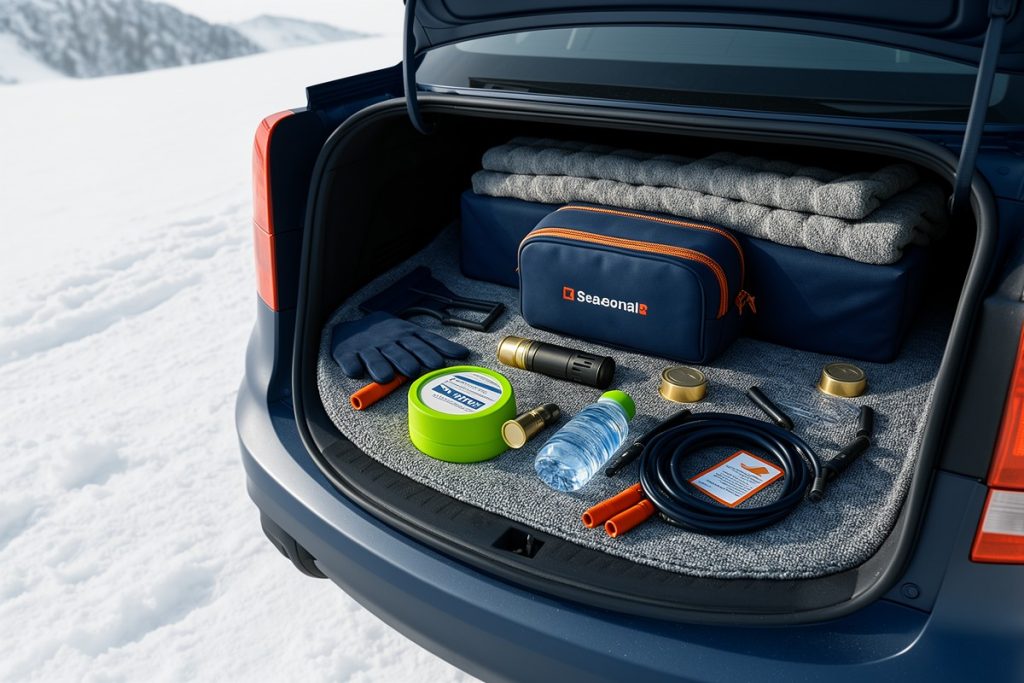
Use this winter car emergency kit checklist
Think in layers. The first group should be available immediately from the passenger area. The second group can stay in the trunk with tools and extra supplies.
| Need | Pack | Why it matters |
|---|---|---|
| Warmth | Blankets, hats, gloves, spare socks, and a warm outer layer | Passengers can lose heat quickly while waiting, especially if clothing is damp. |
| Visibility and light | Flashlight, spare batteries, reflective vest, and roadside warning device | Helps you see and be seen after dark, but only exit the vehicle when it is safe. |
| Communication | Charged power bank, charging cable, and a paper list of emergency contacts | Preserves a phone’s battery for calls and navigation when power is limited. |
| Hydration and food | Sealed water, shelf-stable snacks, and any required dietary items | Provides simple backup nutrition during a long delay. |
| Traction and clearing | Ice scraper, snow brush, compact shovel, traction material, and windshield fluid rated for cold weather | Supports basic clearing and traction after a manageable snowfall. |
| Basic first aid | Bandages, gauze, antiseptic wipes, gloves, tweezers, and personal essentials | Handles small cuts and scrapes while you arrange appropriate medical help. |
| Vehicle support | Jumper cables or a charged jump starter, tire gauge, duct tape, and a reflective blanket | Provides practical backup for common minor problems without promising a repair. |
The American Red Cross first-aid kit guidance is a useful baseline for basic supplies. Adjust it for your household, but do not add prescription medicines or change how you use over-the-counter products based on a general checklist. Ask a pharmacist or clinician about personal medication storage, dosing, and cold-weather travel concerns.
Organize the kit so the right item is easy to find
Organization matters more than buying the biggest container. Place the items you may need without leaving the vehicle—such as a blanket, flashlight, power bank, gloves, and emergency contacts—in a small grab bag inside the cabin. Put tools, traction supplies, extra clothing, and spare food in a larger trunk container.
Use simple categories rather than trying to make every item fit one compartment. A first-aid section, a warmth section, and a vehicle-support section are easier to check than a mixed pile of supplies. Put small items in sealed pouches to prevent loose batteries, snacks, and cables from disappearing under larger equipment.
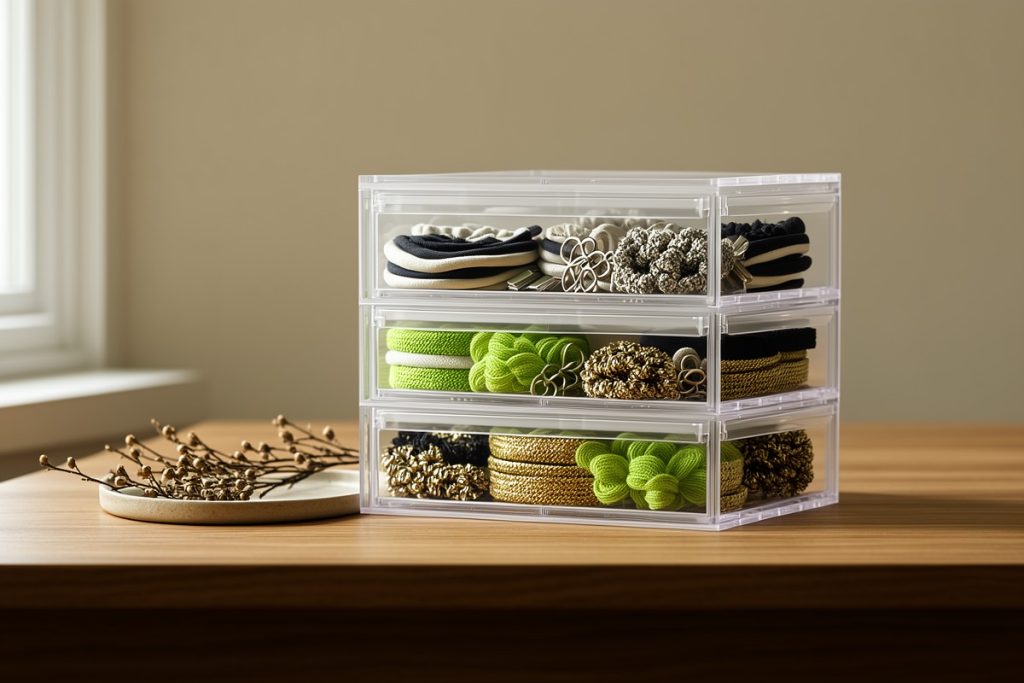
If you want a portable container for the first-aid portion, the CTIME 3-Tier Medicine Organizer is listed as an empty, handled organizer with multiple tiers. That could make small supplies easier to separate and remove from the car. It is not a complete roadside kit, and the listing alone does not establish weatherproofing, crash safety, or suitability for leaving medicines in extreme temperatures. Treat it as an organization option, not emergency protection.
Keep medicines and first-aid supplies sensible
Only carry personal medicines in a way approved by your pharmacist or prescribing clinician. Keep medicines in their original labeled containers when possible, and avoid transferring pills into an unmarked compartment. A seasonal car organizer is better used for bandages, gauze, wipes, gloves, and other nonprescription first-aid supplies than as a permanent storage place for temperature-sensitive medication.
Also check whether anyone in the vehicle needs a particular item: allergy supplies, inhalers, mobility aids, infant supplies, or food for a medical condition. The right choice depends on the traveler, so a universal list cannot replace an individual care plan. Keep essential items accessible rather than buried beneath luggage.
Refresh the kit before every winter travel season
Choose one date at the beginning of the cold season to inspect everything. Replace used or damaged first-aid supplies, test flashlights and power banks, check expiration dates, swap out snacks that no longer suit your household, and confirm that clothing still fits each traveler. Refill water as needed and make sure your scraper, shovel, and traction aid match the conditions where you drive.
Cold-weather preparation also means checking the car itself. Inspect tire pressure and tread, top up suitable windshield fluid, and confirm that the battery and lights are in good condition. The National Weather Service winter safety guidance emphasizes monitoring forecasts and understanding dangerous cold, snow, ice, and wind conditions. If officials advise against travel, the safest emergency kit is the one you do not need to use.
Before leaving, tell someone your destination and expected arrival time. Keep your phone charged, allow extra travel time, and make a backup plan for stopping somewhere warm. A well-organized kit cannot make a hazardous route safe, but it can reduce stress and provide useful options when an ordinary winter trip becomes an unexpected wait.