
For years, smart speakers sat on our counters answering weather requests and setting timers. But the next wave of home AI is mobile, visual, and genuinely conversational. Devices that roll around your desk, recognize your face, and hold contextual conversations are moving from crowdfunding videos to actual retail shelves.
From Static Speakers to Autonomous Assistants
The jump from a stationary smart speaker to a roaming robot companion is bigger than it sounds. When an AI can physically turn toward you, read the room, and remember who you are, the interaction feels less like shouting commands at a black cylinder and more like actual companionship.
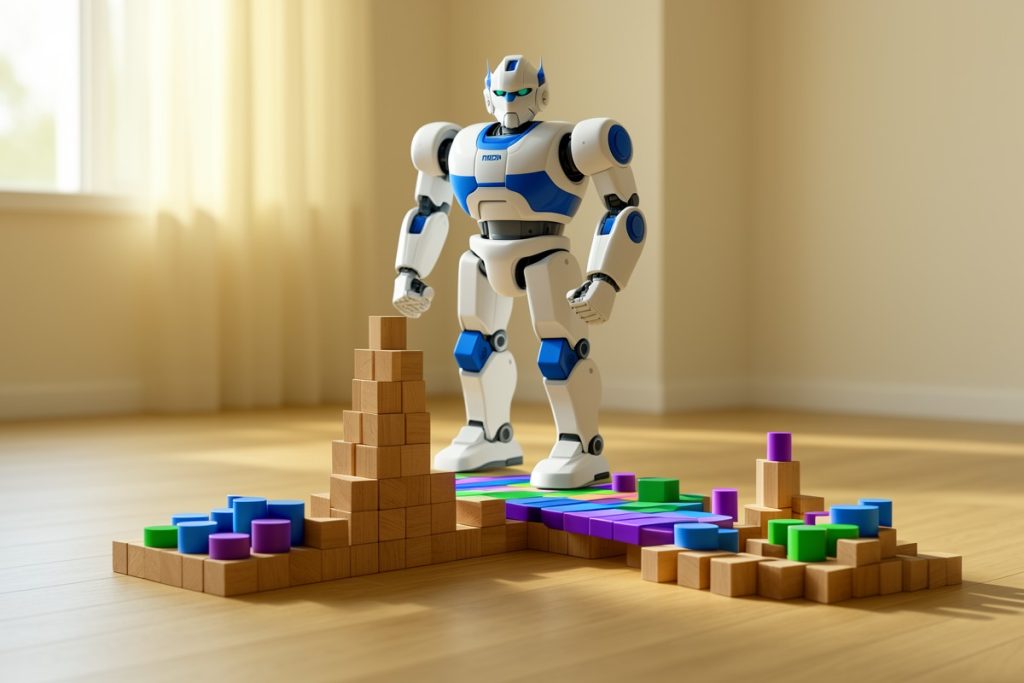
Modern AI home robots combine computer vision, autonomous navigation, and large language models to do something novel: they linger in your space proactively rather than waiting for a wake word. Face recognition lets them greet specific household members. Voice integration with systems like ChatGPT means responses can be nuanced, creative, and genuinely helpful rather than rigidly scripted.
What You Can Actually Use Them For
No home robot is going to fold your laundry yet. But as a desk or kitchen-counter companion, they shine in specific ways:
- Contextual reminders and Q&A: Because ChatGPT-connected bots process natural conversation, you can ask follow-up questions without repeating context.
- Social presence: For remote workers or anyone who spends long hours alone, having a reactive physical entity nearby offers a subtle psychological benefit.
- Learning aid: Kids and adults alike can brainstorm, quiz themselves, or explore topics through voice dialogue with a patient, tireless partner.
A Closer Look at One Example
If you are curious what this category looks like in practice, the Anki Vector 2.0 AI ChatGPT Connected Robot Companion illustrates where consumer robotics currently stand. It features face recognition, supports voice conversations, and connects to ChatGPT for its dialogue capabilities. It is important to note that a ChatGPT subscription is required to access those conversational features.
You can view the robot here: https://www.amazon.com/dp/B07G3ZNK4Y?tag=getwitty-20
We mention it not as a must-buy, but as a concrete reference point for how AI is physically entering homes beyond smartphones and smart displays. It is autonomous, characterful, and relies on the same ChatGPT backend many people already use on their laptops.
What to Consider Before Buying
These devices are still early-stage. Face recognition raises valid privacy questions—understand where biometric data gets processed and stored. Subscription requirements add ongoing costs on top of the hardware. And while the movement and personality are charming, you should calibrate expectations: this is a companion and assistant, not a housekeeper.
Battery life, mapping capabilities, and update frequency also vary widely in this space. If you are intrigued, look for models with transparent privacy policies and active software support.
The Bottom Line
AI home robots straddle a weird line between toy and tool right now. They are genuinely useful for specific workflows and genuinely endearing as desk mates, but they are not essential infrastructure. If you already use ChatGPT daily and like the idea of that intelligence having a physical presence, devices like the Vector 2.0 offer a fascinating glimpse into where consumer AI is heading.
For everyone else, give it another year. The hardware is getting cheaper, the language models sharper, and the use cases clearer. The robots are coming—they are just taking the scenic route.